The most interesting facts about Togo include once being known as “The Slave Coast” and having its first president assassinated.
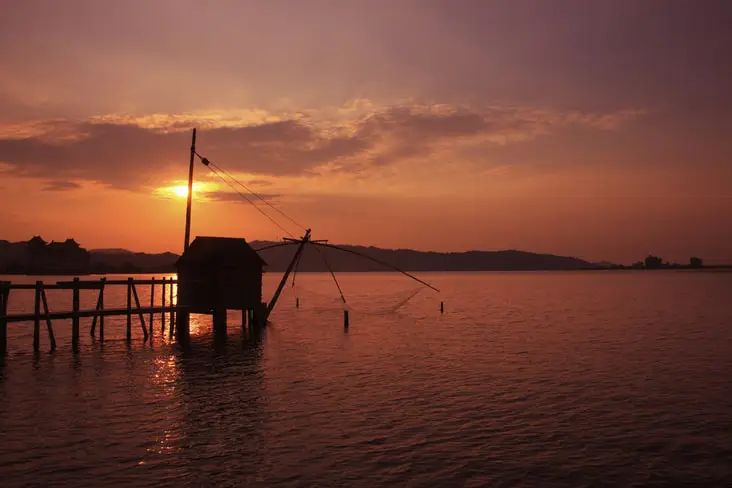
Fast facts
Official name: Togolese Republic
Population: 9.7 million
Area: 56,785 sq km
Capital city: Lomé
Major languages: French, Ewe, Mina, Kabye, Dagomba
Major religions: Christian, Folk, Muslim
Time zone: UTC 0 (Greenwich Mean Time)
Interesting facts about Togo
1. Togo is a narrow country located on the west coast of Africa. It borders Ghana, Benin and Burkina Faso and has 56km (35mi) of coastline on the Gulf of Guinea.
2. During the 15 to 17th centuries, Togo was settled by Ewe clans from Nigeria and the Ane people from Ghana and Ivory Coast.
3. The name Togo derives from the native Ewe language. It comes from the Ewe words “to” (river) and “godo” (on the other side), implying “on the other side of the river”.
4. Originally, this was applied to the town of Togodo (now Togoville) on the northern shore of Lake Togo. However, the name was eventually applied to the entire country.
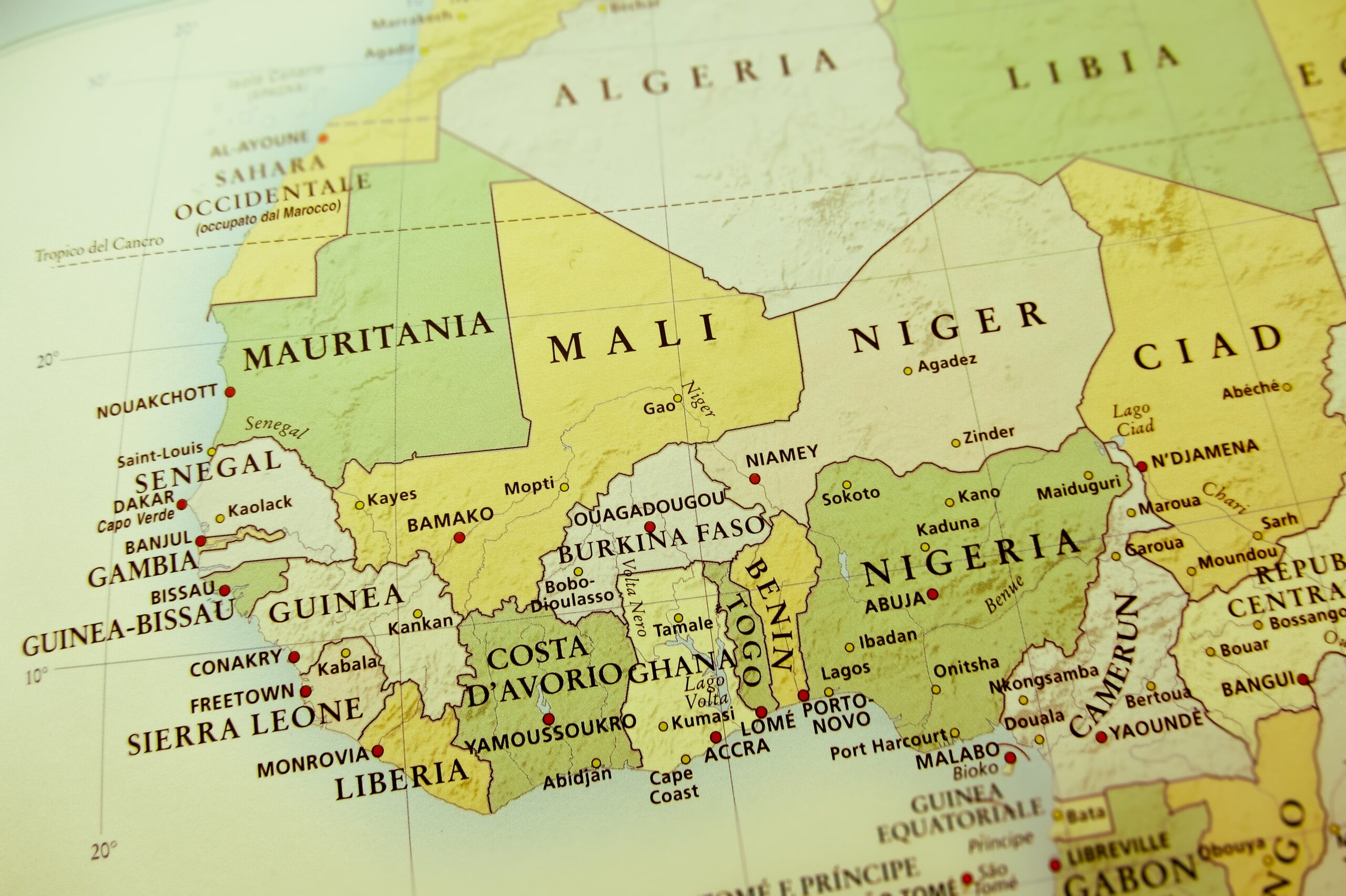
5. From the 16th to the 18th centuries, the coastal region of Togo, along with the surrounding region, was known as “The Slave Coast” as it was a major Atlantic slave-trading hub.
6. During the 1700s, the coastal area of Togo was occupied by Denmark before the region became the German protectorate of Togoland in 1884. Germany used forced labor to develop plantations in the region.
7. During the First World War, Britain and France took control of Togoland from Germany and split the area between them.
8. In a 1956 referendum, British Togoland voted to become part of the Gold Coast (now Ghana). French Togoland became an autonomous republic within the French Union before voting for and then gaining full independence in 1960.
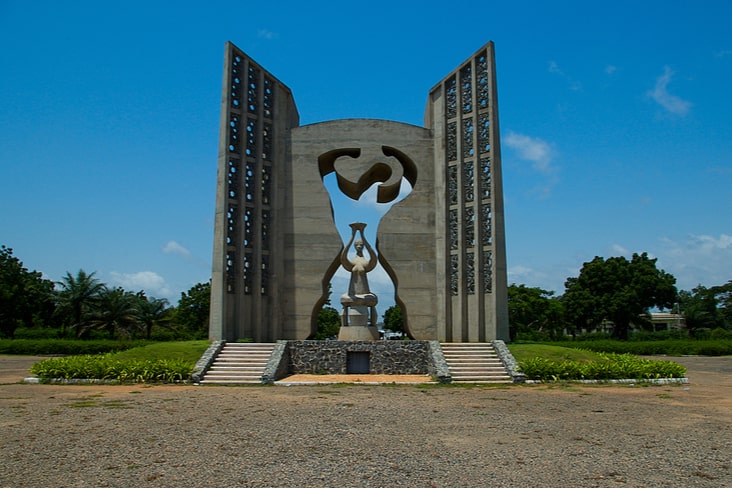
9. Togo’s capital city, Lomé, is considered to be one of the most beautiful cities in West Africa and used to be referred to as the ‘Paris of West Africa’ and the ‘pearl of West Africa’ due to its broad boulevards and cosmopolitan atmosphere.
10. The city’s name derives from the Ewe word “alotime” which means “among the alo plants” – the trees that used to grow around the city’s original location.
11. Togo’s flag has three horizontal green stripes, two yellow stripes and a red square containing a white star. The white star in the red canton symbolizes peace, light, and intelligence.

See how Togo’s flag compares to other African flags.
12. Togo’s first president, Sylvanus Olympio, was assassinated during the first military coup in post-independence sub-Saharan Africa.
13. Togo has a lower than average life expectancy of just 63 years in 2023. The global average is 73 years.
14. Togo only has one UNESCO World Heritage Site: the Koutammakou, the Land of the Batammariba. The site consists of mud tower houses – known as Takienta – which have come to be seen as a symbol of Togo.

15. Togo has gained a reputation as a major ivory trade center. Illegal elephant poaching cartels receive ivory from around the region and ship it to Asian destinations. However, recent arrests made by anti-trafficking squads have seen improvements in the situation.
16. In 2015 in Lomé, the biggest seizure of ivory in African history took place when over four tons of elephant tusks were apprehended – representing around 800 poached elephants.
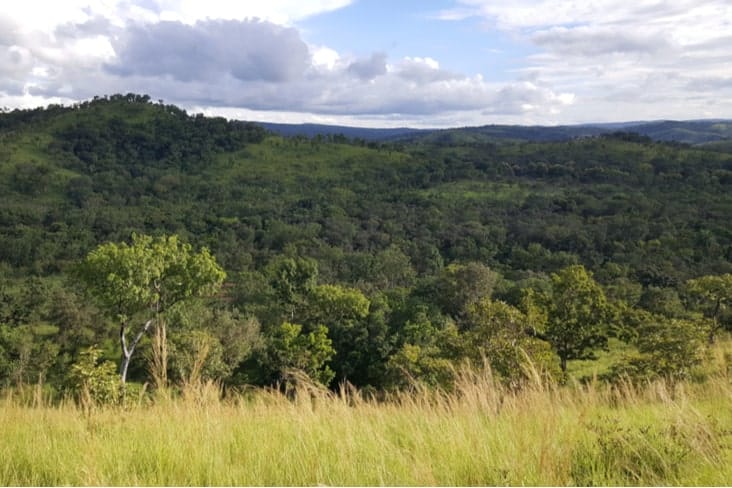
17. Togo is home to one of the most diverse West African parks in terms of topography, the Fazao-Malfakassa National Park. It has an array of landscapes, including forests, savannahs, rocky cliffs, and waterfalls, as well as 203 species of mammals, including monkeys, antelopes, and elephants.
18. Togo is one of the world’s top producers of phosphates, which are used in fertilizers. The mineral, widely used in fertilizers, was nationalized in 1974 and became a major source of state revenue. Today, refined petroleum products have overtaken phosphates as the country’s largest export.
19. One of Togo’s most popular cultural events is the Evala festival, an important initiation ritual in the maturity of young men. Every year, hundreds of young men from across Togo gather in the town of Kara and wrestle each other. The festival also includes eating dog meat.
20. The Vodun (voodoo) religion is widely practiced in Togo. Throughout the region, voodoo does not have the negative implications it has in the West. In Togo, Vodun is considered to be more than a belief system as it extends to culture, philosophy, language, art, dance, music and medicine.

21. Togo’s historical center of voodoo is the small town of Togoville on the shore of Lake Togo. The beauty spot is a popular swimming destination with Lomé residents.
22. Football (soccer) is the most popular sport in Togo, and the national team is known as the Sparrowhawks. In 2006, they qualified for their first World Cup but failed to progress, losing all three of their matches.
Explore more: Test your knowledge with our Africa map quiz.
We strive to verify all facts using authoritative and primary sources where possible. However, if you find an error or have any questions, please contact us.

Caitriona Maria is an education writer and owner of The Facts Institute. With seven years of teaching experience and a background in educational content, she specialises in creating clear reference resources about countries, geography and global topics.