The most interesting facts about Senegal, from killer hippopotamuses, Africa’s Mecca and Africa’s tallest statue.
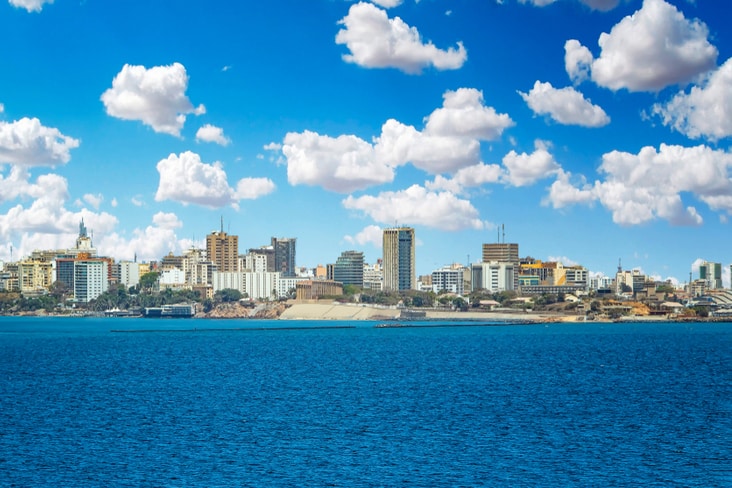
Fast facts
Official name: Republic of Senegal
Capital city: Dakar
Population: 18.9 million
Area: 196,722 sq km
Major languages: French, Wolof
Major religion: Islam
Time zone: UTC +0 (Greenwich Mean Time)
Interesting facts about Senegal
1. Senegal in West Africa has long been considered one of the region’s model democracies, boasting a history of stable government and civilian rule.
2. Senegal has been part of several West African empires including the Kingdom of Ghana (8th century), the Tukulor Empire (11th century) and the Jolof Empire (12th-14th centuries).
3. Senegal was of great interest to European powers. The Portuguese, British, French and Dutch all contended for control of the region due to its strategic location for trading slaves and goods.
4. The UNESCO-listed island of Gorée lies off the coast of Senegal. From the 15th to the 19th century, it was the largest slave-trading center on the African coast.

5. Goree Island is home to the ‘Door of No Return’, where millions of Africans were shipped to a life of slavery in the Caribbean and the Americas.
6. In total, Senegal has seven UNESCO World Heritage Sites. In Africa, only South Africa (10), Ethiopia, Morocco (9) and Tunisia (8) have more.
7. The Senegalese flag has green, yellow and red vertical stripes with a central green star. The five points of the star symbolize Senegal’s openness to the five continents.

See how Senegal’s flag compares to other African flags.
8. Some drivers in Senegal attach horse, sheep or cattle hair to their taxis for good luck. Blessed by religious leaders, these tails are believed to provide good fortune.
9. Senegal has a growing surf scene and the highly influential 1966 surfing movie The Endless Summer was part shot in Senegal.
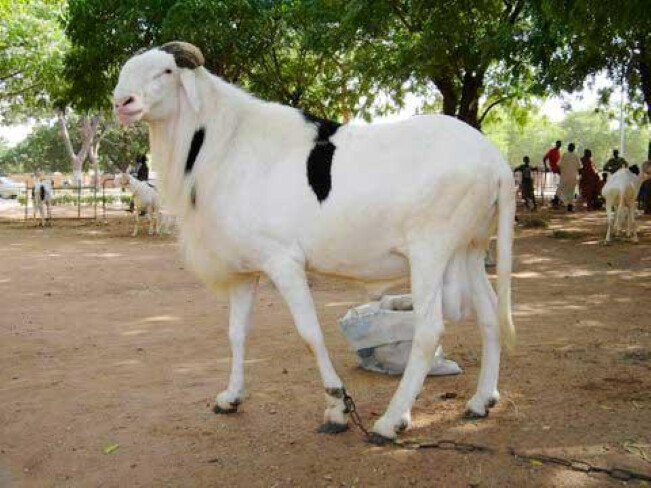
10. On Sundays in Dakar, local shepherds take their sheep for a daylong cleansing ritual. Sheep are prized as sacrifices during religious festivals and some people believe the cleaner the animal, the better the sacrifice.
11. In 2012, Senegal began planting the Great Green Wall – a 7,000km long and 16km wide wall of trees stretching through several countries and across the arid Sahel savanna from the Atlantic Ocean to the Indian Ocean. The project is behind schedule but there is still optimism regarding its completion.
12. The Dakar Rally, first held in 1978–79 and covering up to 15,000km between Southern Europe and Senegal, is considered to be the world’s most grueling automobile race. In 2009 the rally was relocated to South America after its organizers cancelled the event due to terrorism concerns.
13. The Cape Verde Peninsula in west-central Senegal is the westernmost point of continental Africa.
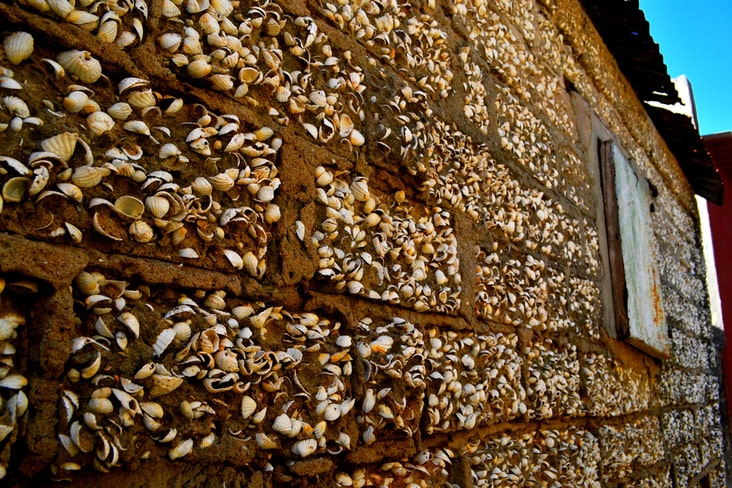
14. Senegal is home to Fadiouth, a small car-free island made entirely of clamshells including the houses, streets and cemeteries.
15. Senegal is known as the “Gateway to Africa” as it is served by multiple air and maritime travel routes.
16. Lac Rose (also known as Lake Retba) in Senegal sometimes turns rosy pink due to its unusually high salt content which is 10 times that of ocean water.
17. Borom Sarret (1963), considered to be the first African film produced and directed by an African, was filmed in Senegal. It was also the first film of Senegalese director, Ousmane Sembene, who is often referred to as the “father of African cinema”.
18. Senegal is home to Africa’s tallest statue. The 49m African Renaissance Monument is said to have cost $27 million and was created by North Korean artists.

19. Besides the main languages of French and Wolof, people usually speak the language of their ethnic group such as Pulaar, Serer and 38 different African languages.
20. Senegal’s national symbol is the lion. It serves as the mascot for the national soccer team, graces the presidential seal, and appears in statues at town entrances and military installations.
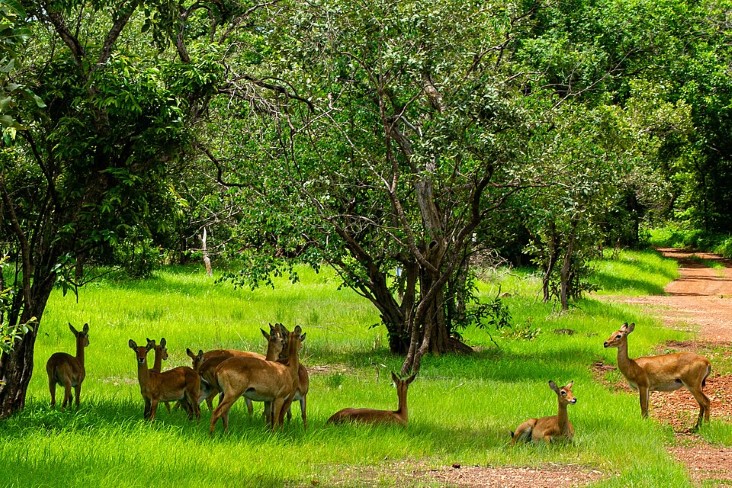
21. However, decades of hunting and development have nearly driven these majestic creatures to extinction. Niokolo-Koba National Park holds the last remaining lion population in Senegal, as well as leopards, chimpanzees, elephants and Derby elands, the largest antelope species.
22. In the space of 10 years, 25 fishermen were mauled to death by “killer hippopotamuses” in the rivers of Senegal.
23. Senegal is named after the Senegal River which derives from “Azenegue,” the Portuguese word for the Berber Zenaga people who lived north of the river. Another theory is that the name originates from the Wolof “sunu gaal” which means “our boat”.
24. In 2026, Senegal will become the first African country to host an Olympic event – the Youth Olympic Games (YOG).
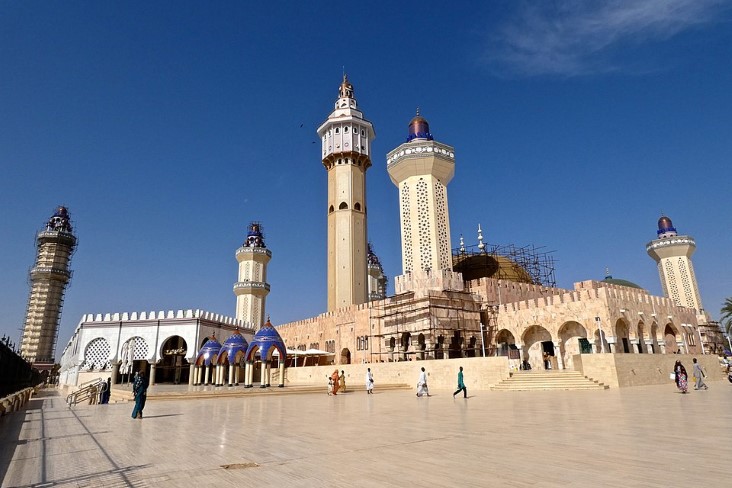
25. Known as “Africa’s Mecca”, the city of Touba in Senegal sees more than a million Muslim pilgrims visit it annually from around the world. The pilgrimage commemorates the Sufi Islam movement’s founder Cheikh Amadou Bamba and his exile in 1895 by French colonial authorities.
26. Rapper and entrepreneur Akon is part-Senegalese. He recently declared that he will create his own city in Senegal called ‘Akon City’ but plans have been scrapped as of 2025.
Explore more: Test your knowledge with our Africa map quiz.
We strive to verify all facts using authoritative and primary sources where possible. However, if you find an error or have any questions, please contact us.

Caitriona Maria is an education writer and owner of The Facts Institute. With seven years of teaching experience and a background in educational content, she specialises in creating clear reference resources about countries, geography and global topics.