Facing dreadful hunger, a million souls depart their homeland, crammed into “Coffin Ships” where death is a constant shadow. They arrive in a new land full of unfamiliar faces, prejudices, and challenges.
Sounds like a terrible nightmare? It was real—for Irish families who set off for America during the Great Famine between 1845 and 1855.
Their reality was a frightening odyssey of survival you wouldn’t wish on your worst enemy. A pivotal mass migration that would forever shape the United States.
Over 1 Million Irish Immigrants to America
Picture it—if you can—more than one million souls leaving their homeland, fleeing famine, and daring to dream of a better life across the Atlantic.
What’s even more staggering?
A heartbreaking exodus unfolds in just a decade. The Great Famine in Ireland did far more than empty stomachs; it emptied the country.
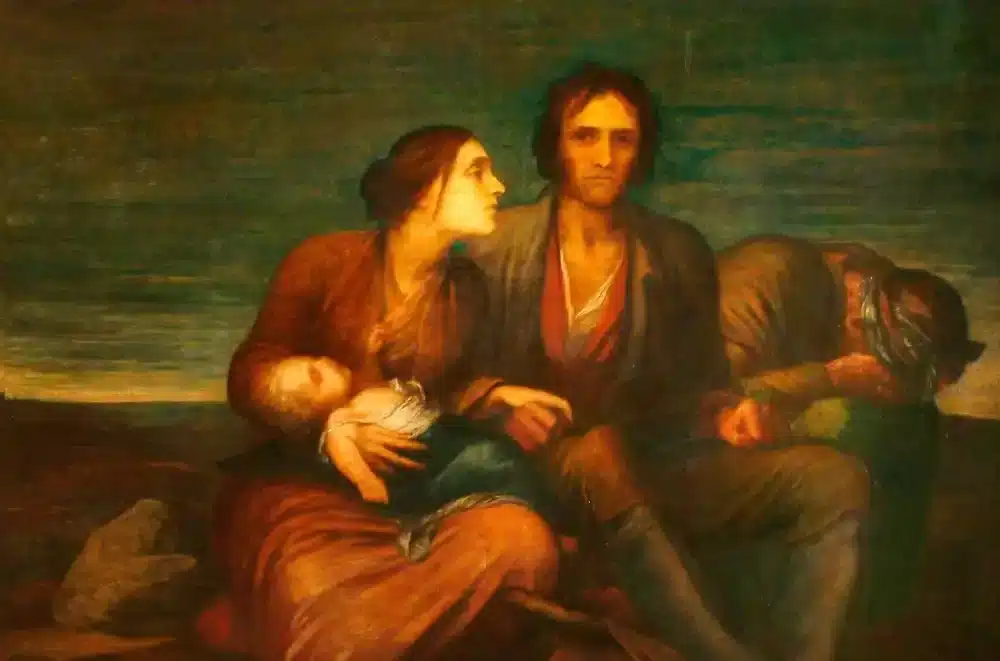
The Irish Influence in Key Cities
By 1850, bustling cities like Boston, New York, Philly, and Baltimore were overflowing with the Irish. They made up over a quarter of the population in these cities. Talk about making an entrance.
The Irish had stamped their identity on the American cityscape.
The Horrors of the Coffin Ships
Imagine a ship with the stench of death hanging heavy in the air, minimal food, and unsanitary conditions. That was the grim reality for Irish passengers.
Cramped like livestock and subjected to sickness and death, they survived a grisly voyage spanning weeks for the promise of a better life.
Escaping Starvation from Connacht and Munster
Originally, migrants were mostly poor Catholic farmers from the impoverished regions of Connacht and Munster who were fleeing starvation.
It makes you appreciate your stocked pantry more, doesn’t it?
The Role of London Workhouses
Before immigrating to America, many Irish lived in London workhouses.
Workhouses were the only source of help for the homeless. As a refuge, these cramped quarters, scant provisions, and barely-existent wages did not deter the displaced Irish.
Dreadful lodging was a small price for a brighter future across the Atlantic.
4.5 Million Irish Immigrants from 1820-1930
Spanning a century, the flood of Irish migrants reshaped America. Imagine 4.5 million people, each with hopes, dreams, and incredible strength. Among them was a great number of Ulster Protestant emigrants.
Coastal Settlements
Coastal cities were a popular choice for the Irish, as they provided familiarity with maritime life and opportunities for networking and jobs.
Particularly in Boston, Philadelphia, and New York, they formed strong communities that supported and protected each other.
The “No Irish Need Apply” Era
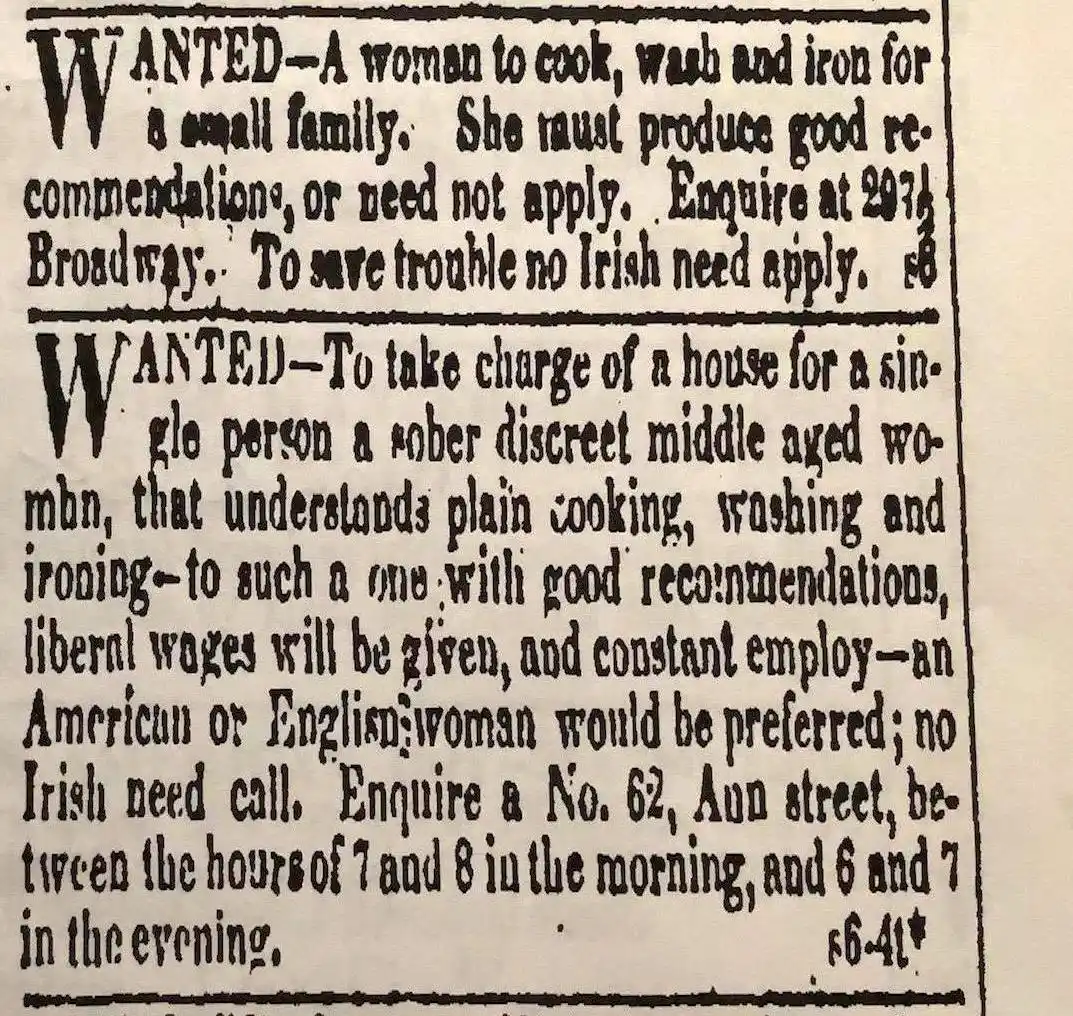
Imagine walking on the streets of a strange land, brimming with hope, only to encounter ‘No Irish Need Apply’ signs everywhere!
The harsh reality was that discrimination was as abundant as hope for the newly arrived Irish immigrants in the 1800s. Their Catholic faith, unique language, and minimal work experience fueled prejudices against them.
Building America’s Backbone
Did you know that thanks to the Irish we can take a joyride along the Erie Canal or ride the Transcontinental Railroad?
Yes, the labor of those Irish immigrants made them unsung heroes in the story of America’s industrial boom.
From Immigrants to Leaders
It’s pretty remarkable. Once swarming with fresh-off-the-boat Irish immigrants, cities like Milwaukee, Detroit, and N.Y. soon saw these same migrants emerge as political leaders.
These dynamic spaces provided a platform for Irish immigrants, marking the start of a wealthy political legacy.
Preserving Heritage
You might wonder how Irish immigrants stuck together despite the turmoil and tension. They had a secret weapon: community organizations.
Groups like the Knights of Columbus (founded in 1882) and the Ancient Order of Hibernians (established in 1836) came into play.
These societies were lifelines, providing social opportunities, mutual aid, and protection against discrimination.
Low Wages of Irish Servant Girls in NYC
It’s 1870, and you’re an Irish woman living in New York City. Probabilities are that you’re serving as a domestic help.
Some ended up in prostitution for survival, resulting in intoxication arrests, lewd behavior, and petty theft.
“Bridgets” and “Paddy Wagons”
Where did the term “Paddy Wagon” come from? You’ve got the Irish to thank for that. It was an unflattering term intended to belittle drunken immigrants.
The girls weren’t spared either—they were derogatorily known as ‘Bridgets,’ subservient, and often overlooked by society.
The Wealthy Irish
More than just “brutish immigrants,” there were also the elite, or the “Lace Curtain Irish.” These were the Protestant Irish families, snootily looking down their noses at their newly arrived, less fortunate countrymen.
Aspirationally treading the path to American affluence, they brought a whole new dimension to the Irish identity.
Irish Neighborhoods and Settlements in America
You’ve heard of “Little Italy” but what about “Irish Town Bend”? In places like Indiana, the Irish spread their roots wide, establishing their neighborhoods and settlements.
Familiar faces, customs, and a sprinkling of the motherland in the new world.
The Irish as ‘Uncivil’ Foreigners
Imagine stepping off a ship after weeks at sea, only to be snubbed as a rowdy, uncivil foreigner.
Stereotypes had them pegged as rambunctious troublemakers or, worse, violent drunks in political cartoons and illustrations.
American Presidency
Ever noticed that distinct Irish twinkle in the eyes of some U.S. Presidents? Leading the gang, we have Andrew Jackson. To date, we haven’t had another Irish Catholic president in the Oval Office since JFK.
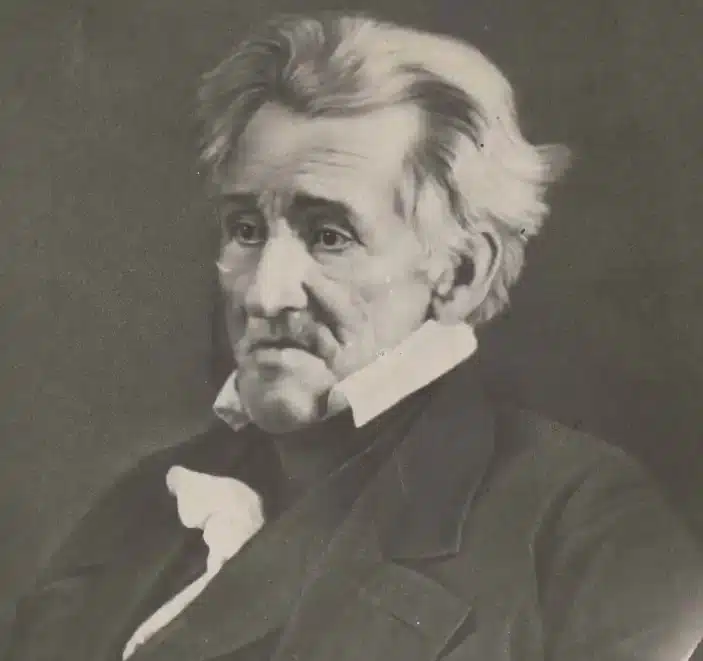
President Obama’s family tree traces back to Moneygall, County Offaly, Ireland. And, throughout his presidency, Joe Biden has made his Irish-American heritage known loud and proud.
The Integration of Irish Identity into the American Fabric
Those “boisterous” Irish initially riled everyone up with their rowdy behavior. Within a few decades, they became as American as apple pie.
Whether it’s a St. Patrick’s Day parade, Gaelic football, or corned beef and cabbage—c’mon admit it, everyone’s a smidgen Irish on St. Paddy’s Day, right?—their traditions have become intertwined with the American way of life.

Caitriona Maria is an education writer and owner of The Facts Institute. With seven years of teaching experience and a background in educational content, she specialises in creating clear reference resources about countries, geography and global topics.