Stepping into any of the world’s largest churches is like entering the pages of history, where architectural grandeur meets deep spiritual reverence.
These immense structures, often centuries old, are places of worship surrounded by marvels of engineering and artistry. Each building tells a remarkable story of faith, community, and the extraordinary lengths to which human creativity and dedication can go.
| Rank | Church | Location | Interior floor area |
|---|---|---|---|
| 1 | St. Peter’s Basilica | Vatican City | 15,160 m² / 163,181 sq ft |
| 2 | Mosque–Cathedral of Córdoba | Spain | 13,000 m² / 139,931 sq ft |
| 3= | Basilica of Our Lady of Aparecida | Brazil | 12,000 m² / 129,167 sq ft |
| 3= | Basilica of St Pius X, Lourdes | France | 12,000 m² / 129,167 sq ft |
| 5 | Milan Cathedral | Italy | 11,700 m² / 125,938 sq ft |
| 6 | Seville Cathedral | Spain | 11,520 m² / 124,000 sq ft |
| 7 | Cathedral of St. John the Divine | United States | 11,241 m² / 120,997 sq ft |
| 8 | Basilica of Our Lady of Licheń | Poland | 10,090 m² / 108,608 sq ft |
| 9 | Liverpool Cathedral | United Kingdom | 9,687 m² / 104,270 sq ft |
| 10 | Basilica of the Holy Trinity | Portugal | 8,700 m² / 93,646 sq ft |
| 11 | Basilica of Saint Paul Outside the Walls | Italy | 8,515 m² / 91,655 sq ft |
| 12 | Basilica of Our Lady of the Pillar | Spain | 8,318 m² / 89,534 sq ft |
| 13 | Ulm Minster | Germany | 8,260 m² / 88,910 sq ft |
| 14 | Florence Cathedral | Italy | 8,200 m² / 88,264 sq ft |
| 15 | Basilica of Our Lady of Guadalupe | Mexico | 8,167 m² / 87,909 sq ft |
Churches can be compared in several ways, including interior area, exterior area, volume and capacity. This ranking uses published measurements of the main interior church area rather than total usable area across multiple floors or the wider complex wherever possible. Measurements may vary between sources because different parts of a church are sometimes included or excluded.
St. Peter’s Basilica – Vatican City
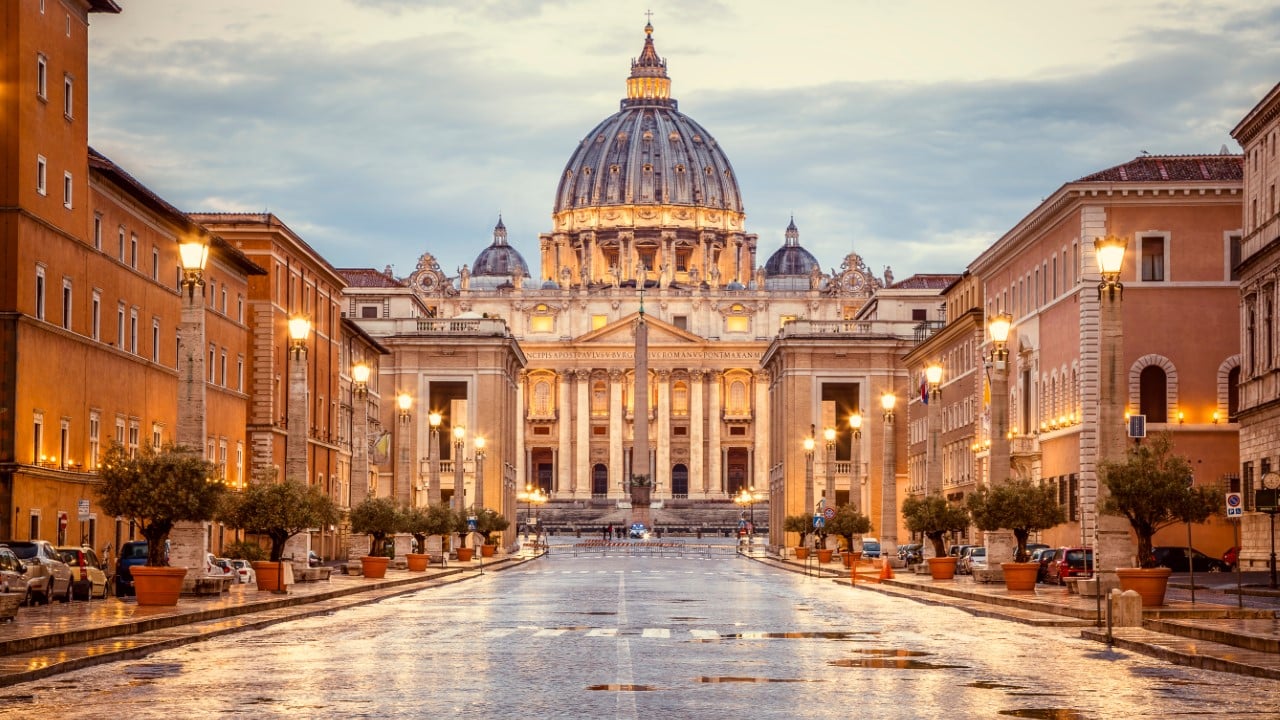
- 15,160 m² / 163,181 sq ft
- ≈ 58 tennis courts
The Basilica of St. Peter, the centerpiece of the Vatican, is where the Pope celebrates Masses during major liturgical celebrations. It is also home to some of the most revered artworks in Christian history.
Among its treasures are Michelangelo’s Pietà and the magnificent dome he designed. The basilica stands over the tomb of Saint Peter, chief among Jesus’ apostles and the first pope, beneath the main altar.
Mosque–Cathedral of Córdoba – Spain
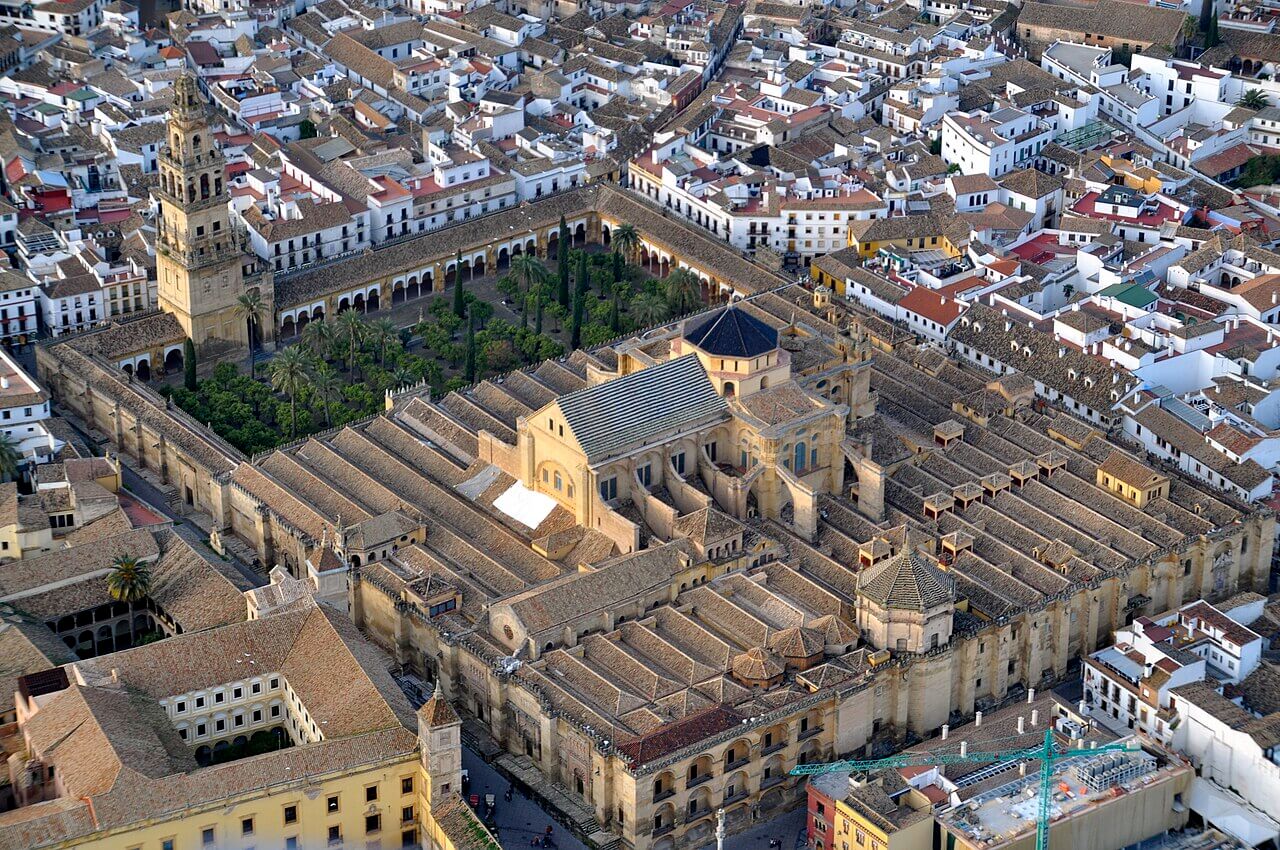
- 13,000 m² / 139,931 sq ft
- ≈ 50 tennis courts
The Mosque–Cathedral of Córdoba, or the Cathedral of Our Lady of the Assumption, began as the Great Mosque of Córdoba in 785 and was expanded repeatedly over the following two centuries. After Córdoba was captured by Christian forces in 1236, it became a Catholic cathedral, and in the 16th century a huge Renaissance nave and transept were built right into the center of the former mosque.
The result is an extraordinary mixture of Moorish, Gothic, Renaissance and Baroque architecture. The Mosque–Cathedral has been a UNESCO World Heritage Site since 1984.
Basilica of Our Lady of Aparecida – Brazil
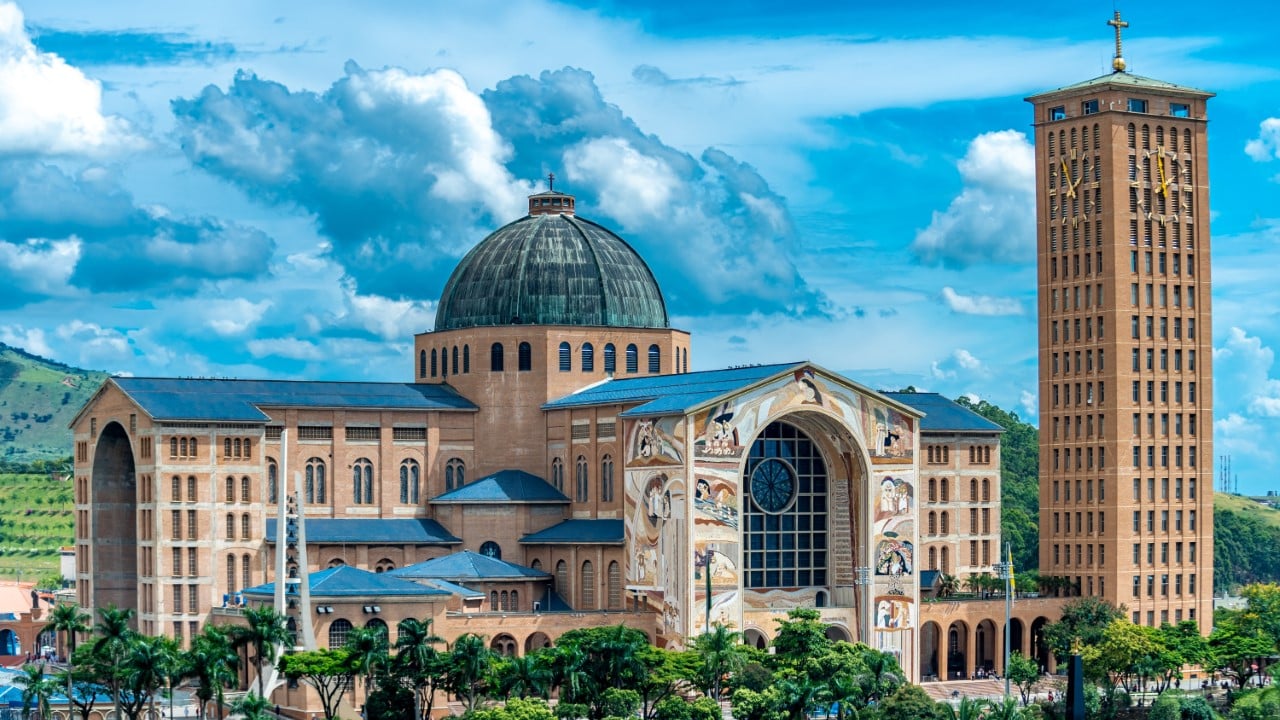
- 12,000 m² / 129,167 sq ft
- ≈ 46 tennis courts
Consecrated by Pope John Paul II in 1980, the Basilica of Our Lady of Aparecida is a focal point of faith in Brazil. This sanctuary is famous for its 70 m (230 ft) high dome and the 18th-century Virgin Mary statue, which fishermen found in the Paraíba River.
Story has it that the three fishermen found the headless statue of Our Lady of the Immaculate Conception in the waters in 1717, and reports of miracles and answered prayers soon became associated with the image.
It’s a primary pilgrimage site, attracting millions annually. It can accommodate 300,000 people in open-air celebrations.
Basilica of St Pius X – Lourdes
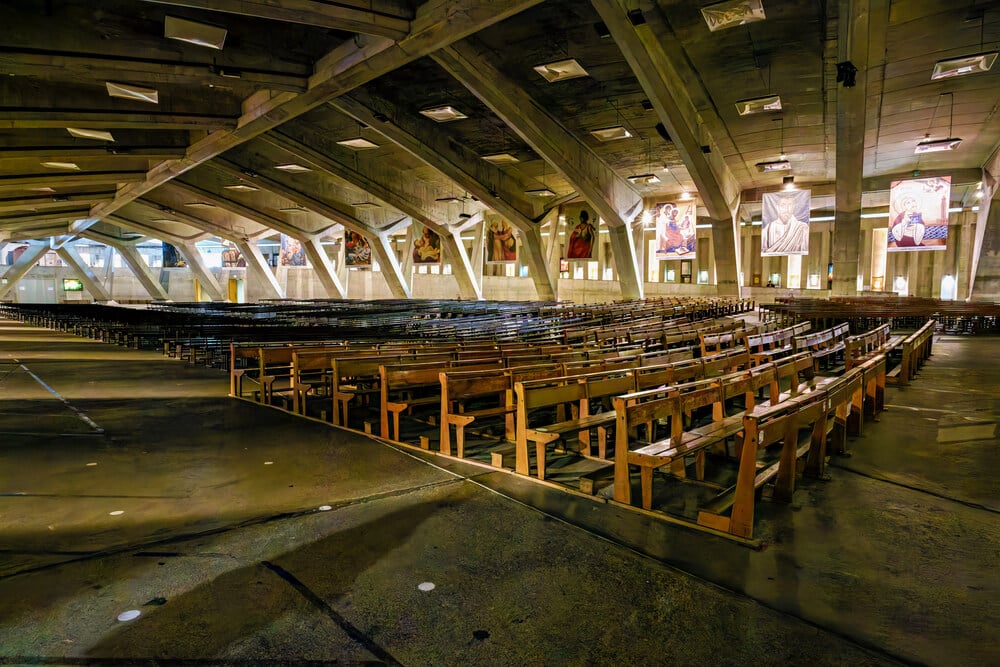
- 12,000 m² / 129,167 sq ft
- ≈ 46 tennis courts
The Basilica of Saint Pius X is unusual because almost the entire church is built underground. Its vast oval interior can accommodate up to 25,000 people.
The basilica was consecrated in 1958 for the centenary of the Lourdes apparitions by the future Pope John XXIII. Inside, it is decorated with 39 paintings of saints and blessed figures, along with 52 colorful gemmaux stained-glass works.
Milan Cathedral – Italy
- 11,700 m² / 125,938 sq ft
- ≈ 45 tennis courts
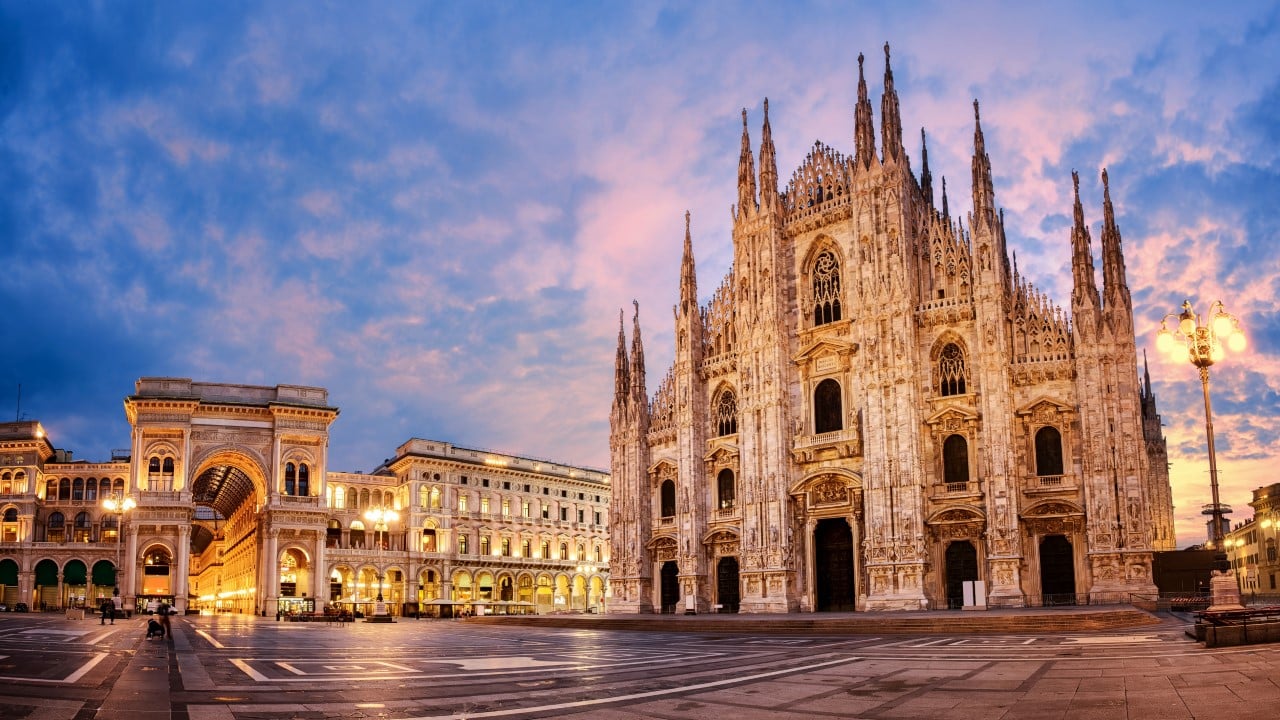
Milan Cathedral, a masterpiece of Gothic architecture, took nearly six centuries to complete. Its enormous interior is lined with towering marble columns, carved statues that reach the ceiling and vast stained-glass windows depicting biblical scenes.
Among its more unusual sights are richly dressed relics of saints and the striking statue of Saint Bartholomew, shown carrying his own flayed skin. You can also find the Holy Nail in a tabernacle, a relic traditionally believed to be one of the nails used in the Crucifixion of Jesus Christ.
Seville Cathedral – Spain
- 11,520 m² / 124,000 sq ft
- ≈ 44 tennis courts
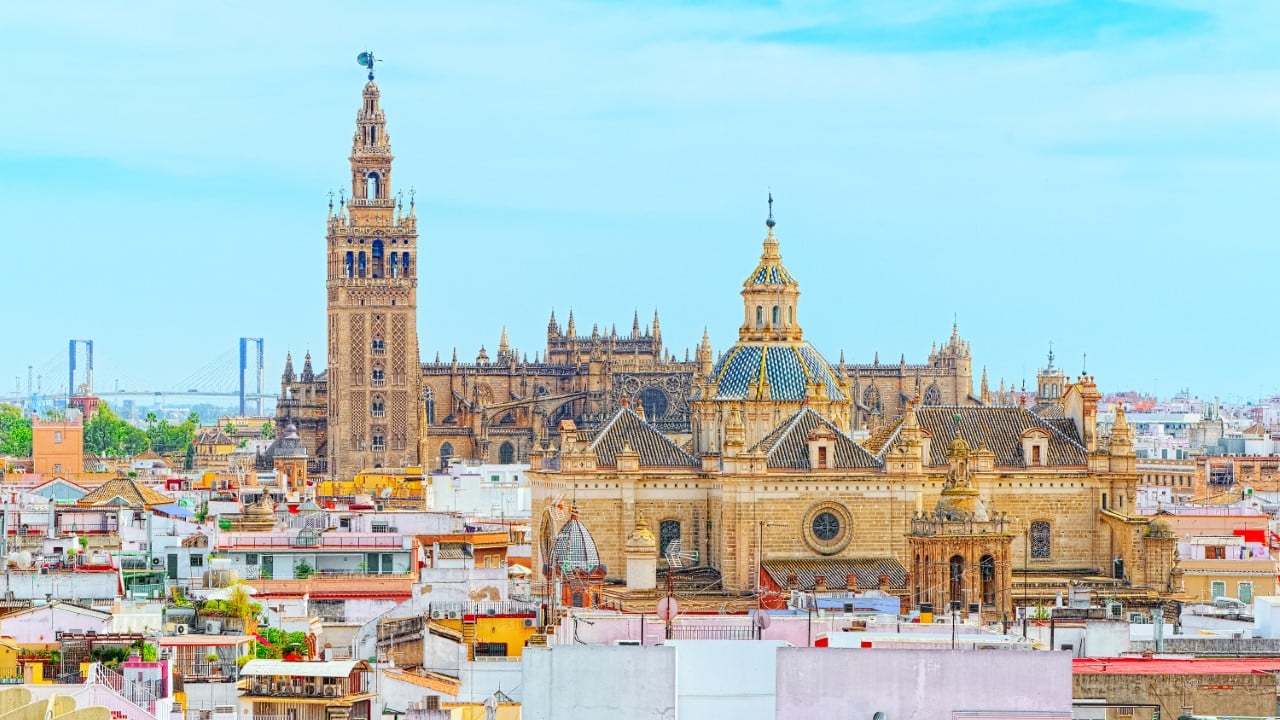
Seville Cathedral stands in a location previously occupied by a mosque.
It features the Giralda, an ancient Islamic minaret-turned-bell tower which offers one of the best panoramic views in Seville.
The cathedral’s art collection includes works by Murillo and Goya, enriching its historical and cultural legacy. It also houses the tomb of Christopher Columbus.
Cathedral of St. John the Divine – United States
- 11,241 m² / 120,997 sq ft
- ≈ 43 tennis courts
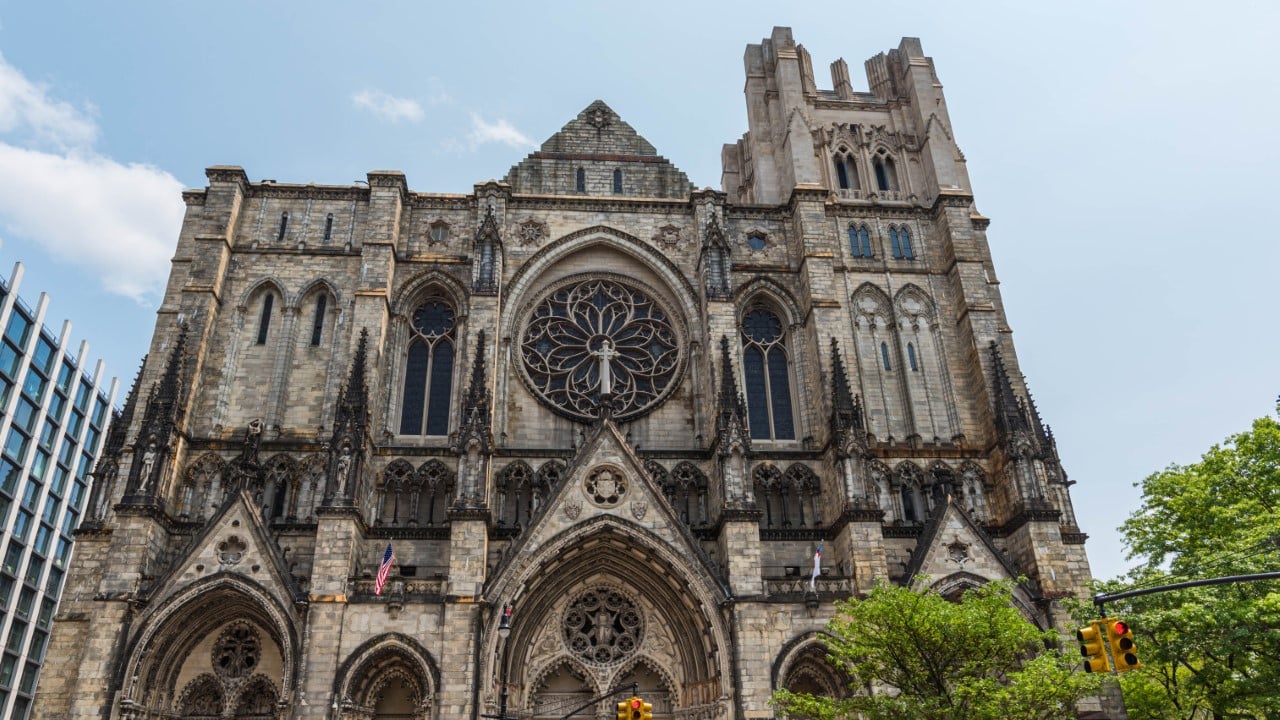
St. John the Divine in New York is known for its striking Romanesque and Gothic Revival architecture.
Construction began in 1892 but has periodically paused, leaving parts unfinished. The tower is actually about two-thirds of its intended height.
The cathedral has hosted many high-profile funerals and memorial services, including the 1943 funeral of inventor Nikola Tesla, reflecting its deep ties to New York’s history and community.
Basilica of Our Lady of Licheń – Poland
- 10,090 m² / 108,608 sq ft
- ≈ 39 tennis courts
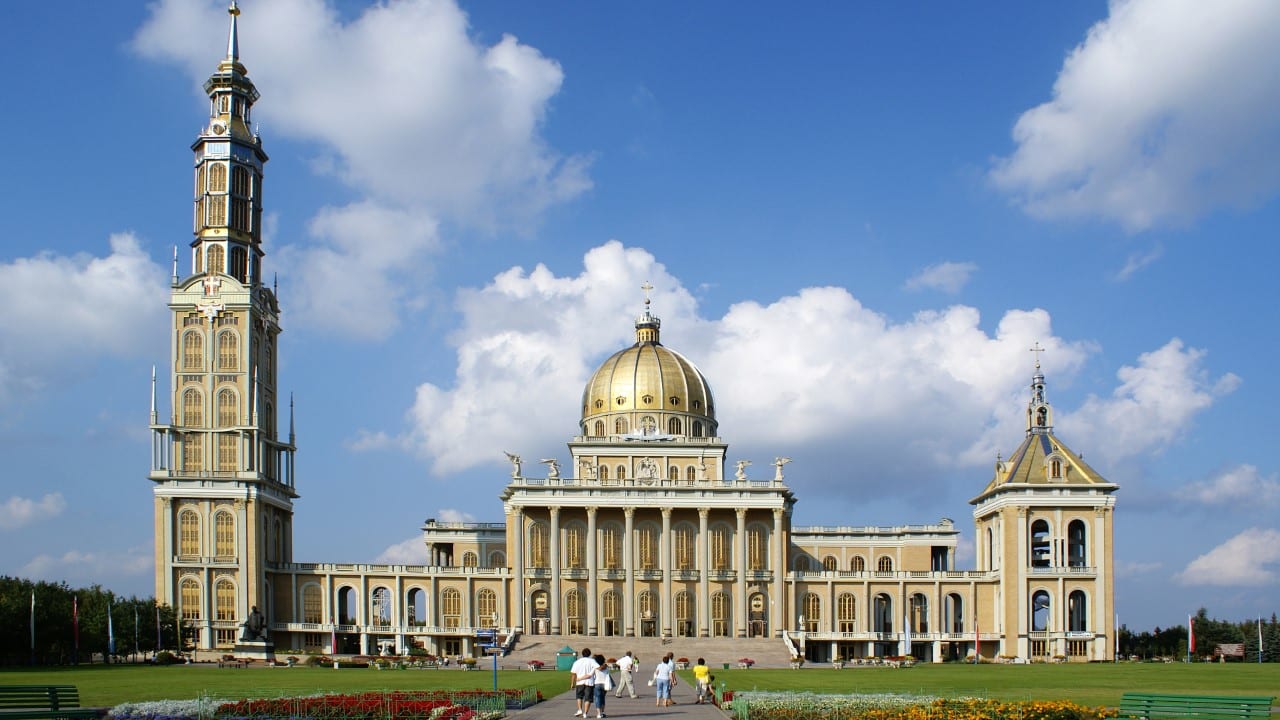
In the heart of the little village of Licheń Stary, Poland, stands the majestic Basilica of Our Lady of Licheń.
This sanctuary, completed in 2004, is famous for its grandeur and the revered late-18th-century image of Our Lady of Licheń, long associated by devotees with reported miracles and graces.
Liverpool Cathedral – United Kingdom
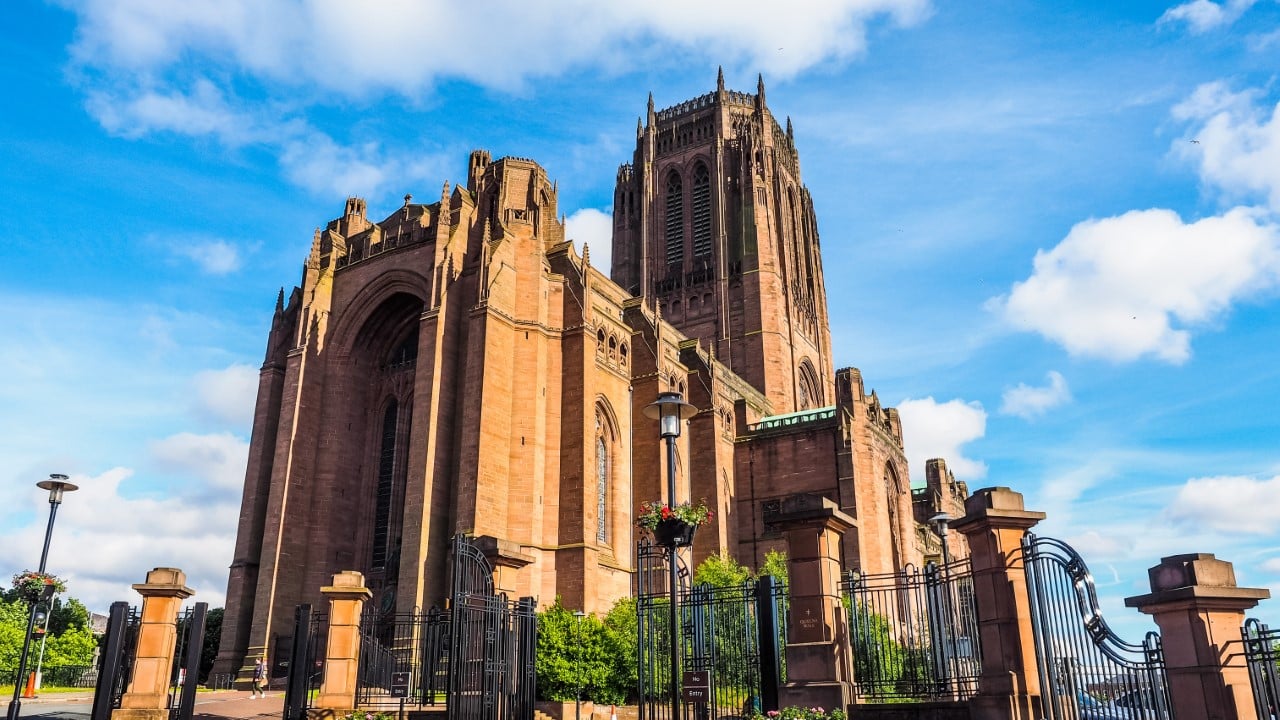
- 9,687 m² / 104,270 sq ft
- ≈ 37 tennis courts
Rising above Liverpool’s skyline, Liverpool Cathedral was completed in 1978 after almost 74 years of construction.
Its enormous Great George bell weighs around 15 tonnes, making it bigger than Big Ben. Surrounding it are 13 other bells weighing a combined 17 tonnes.
Basilica of the Holy Trinity – Fátima, Portugal
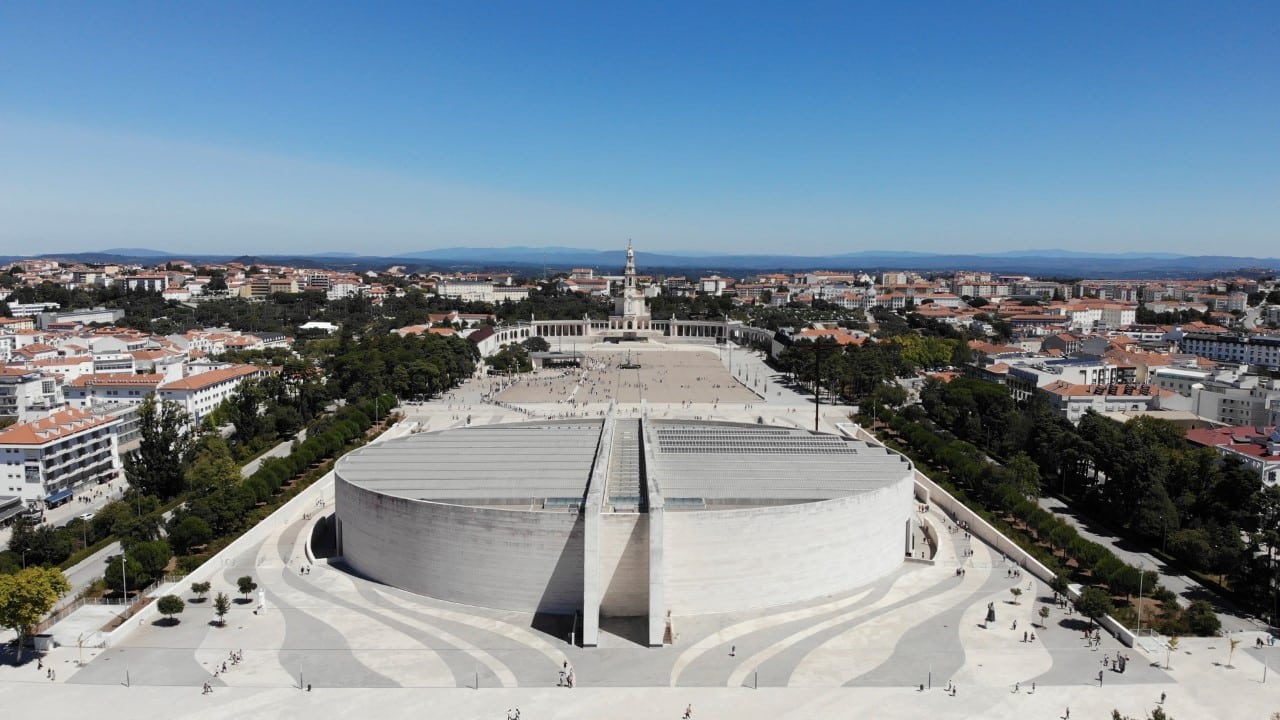
- 8,700 m² / 93,646 sq ft
- ≈ 33 tennis courts
The Basilica of the Holy Trinity was built to accommodate the growing numbers of pilgrims visiting Fátima.
In 1917, three local children reported visions of the Virgin Mary, transforming Fatima into a significant religious center.
The modern basilica contains a sculpture of Christ on the Cross by Irish artist Catherine Green, while outside stands a huge steel High Cross created by German artist Robert Schad.
Basilica of Saint Paul Outside the Walls – Italy
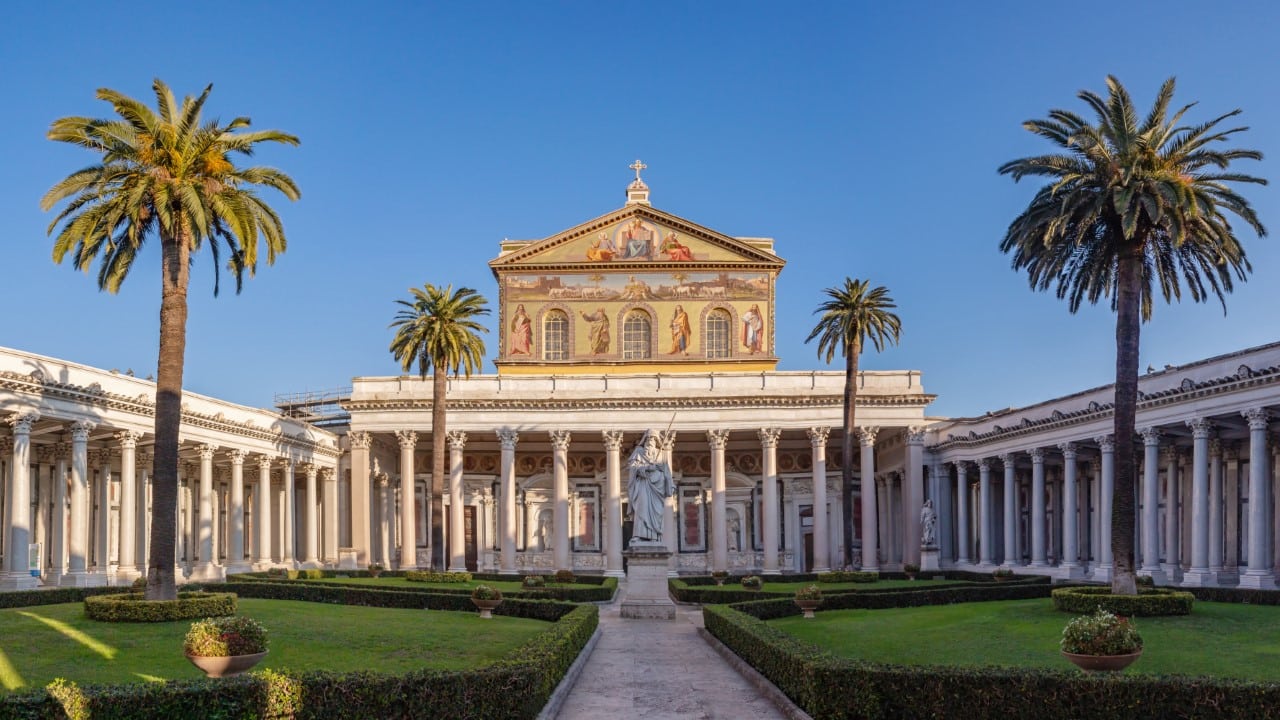
- 8,515 m² / 91,655 sq ft
- ≈ 33 tennis courts
The first basilica on the site was built under Emperor Constantine in the 4th century over the traditional burial place of the Apostle Paul. Much of the later basilica was destroyed by fire in 1823 and subsequently rebuilt.
The basilica features a striking array of columns and mosaics, including a portrait series of every pope, and its spacious interior can accommodate thousands of pilgrims.
Basilica of Our Lady of the Pillar – Spain
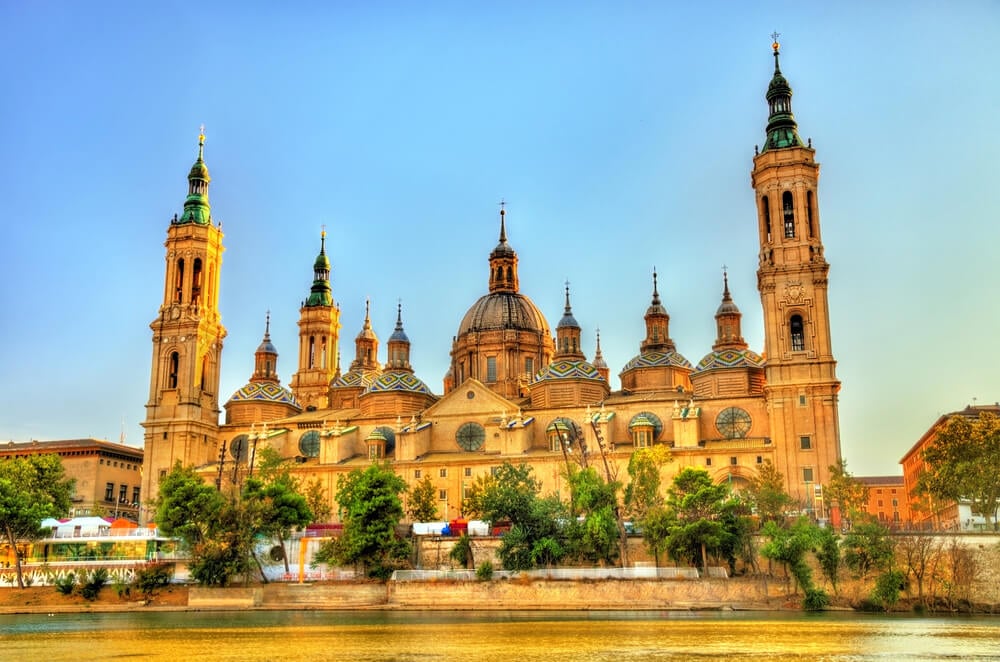
- 8,318 m² / 89,534 sq ft
- ≈ 32 tennis courts
The Basilica of Our Lady of the Pillar is one of Spain’s most important Marian shrines. According to local tradition, the Virgin Mary appeared to Saint James the Great on the banks of the Ebro in Zaragoza around AD 40 and gave him a column of jasper, instructing him to build a church in her honor.
According to tradition, it was one of the earliest churches dedicated to Mary. The apparition is especially unusual because it is said to have taken place before Mary was assumed into heaven. The present basilica is largely Baroque and was built mainly between the 17th and 19th centuries.
Ulm Minster – Germany
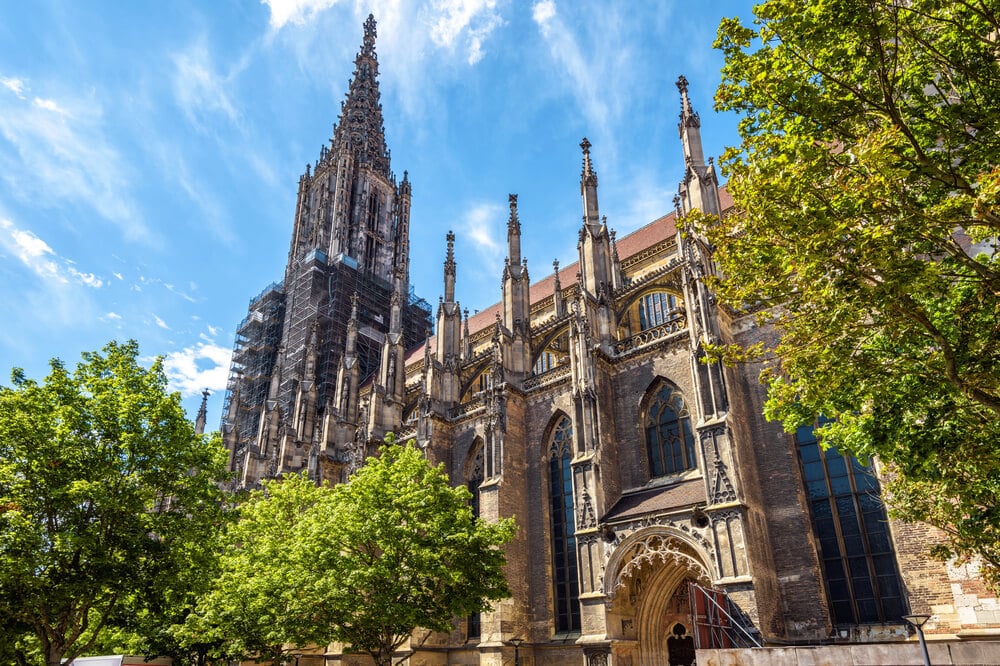
- 8,260 m² / 88,910 sq ft
- ≈ 32 tennis courts
Ulm Minster is enormous in more ways than one. Its 161.53 m (530 ft) steeple makes it the second-tallest church building in the world, yet despite often being called Ulm Cathedral, it technically isn’t a cathedral at all because it has never been the seat of a bishop.
Construction began in 1377, financed by the citizens of Ulm, but work later stopped for centuries. The towers were finally completed in 1890, more than 500 years after the first stone was laid. Visitors can climb 768 steps up the spire for views across southern Germany and, on clear days, as far as the Alps.
Florence Cathedral – Italy
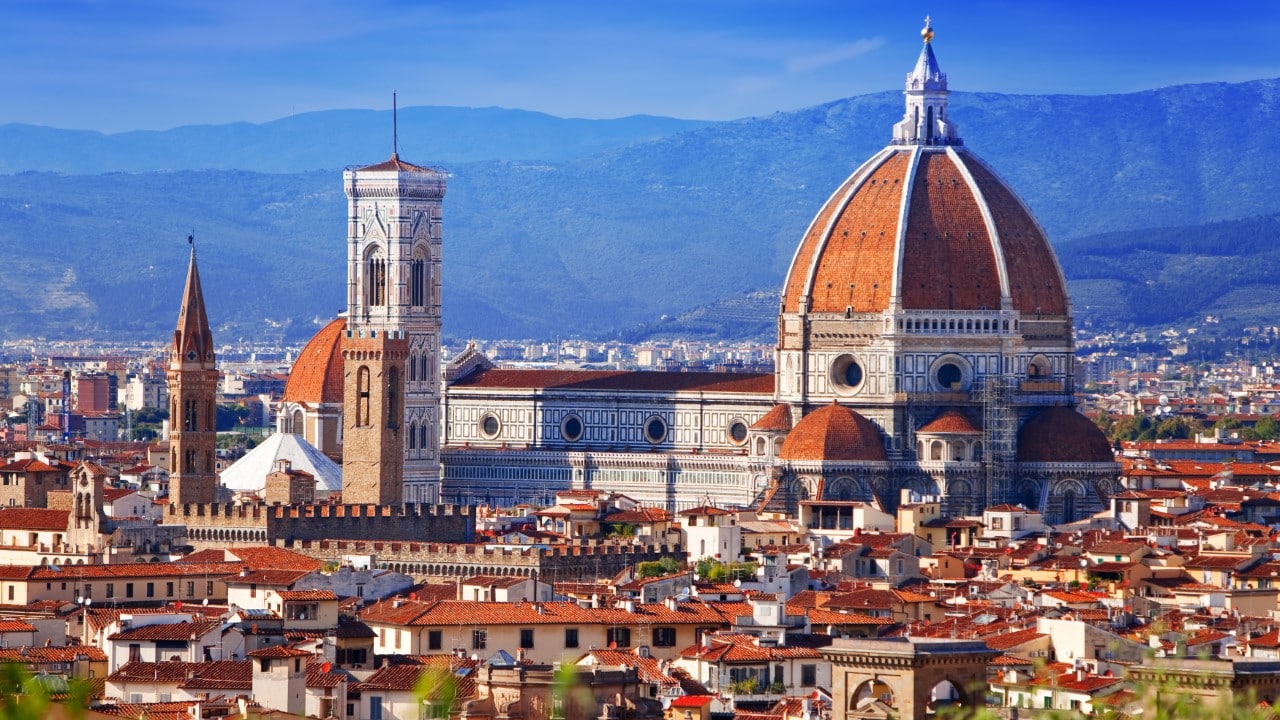
- 8,200 m² / 88,264 sq ft
- ≈ 31 tennis courts
The construction of Florence’s Cathedral of Santa Maria del Fiore commenced in 1296 under the design of Arnolfo di Cambio.
In 1436, Brunelleschi’s engineered dome was completed, and it remains the largest masonry dome in the world.
This cathedral exemplifies Gothic and early Renaissance architectural innovation. It contains frescoes by Vasari and Zuccari and a gigantic clock face frescoed by Paolo Uccello, combining art and architectural mastery in a single monument.
Basilica of Our Lady of Guadalupe – Mexico
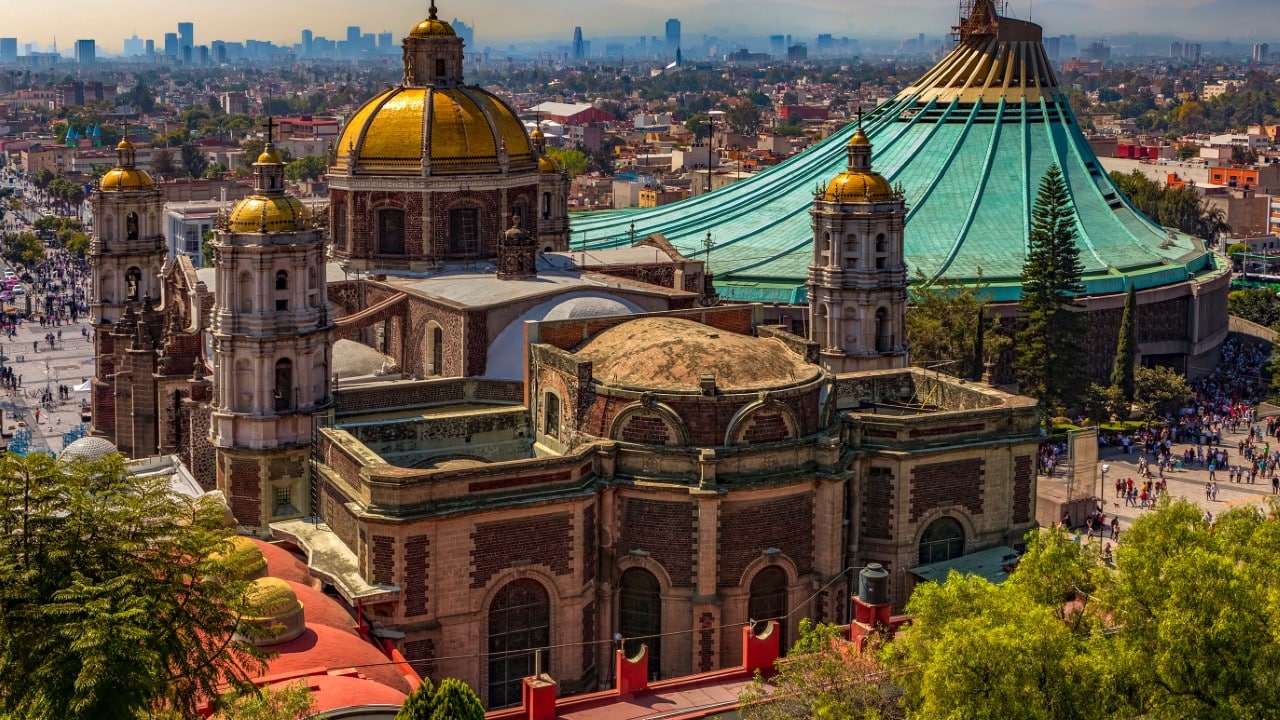
- 8,167 m² / 87,909 sq ft
- ≈ 31 tennis courts
Constructed at the hill of Tepeyac, where, according to Catholic tradition, the Virgin Mary appeared to Saint Juan Diego in 1531, the Basilica of Our Lady of Guadalupe is one of the most visited Catholic pilgrimage sites in the world.
The church is designed to hold up to 10,000 people and houses the famed Tilma or cloak of Juan Diego, which features an image of the Virgin Mary, revered as miraculous by believers. Remarkably, the tilma and its famous image have survived for almost 500 years and remain on display in the basilica today.


Caitriona Maria is an education writer and owner of The Facts Institute. With seven years of teaching experience and a background in educational content, she specialises in creating clear reference resources about countries, geography and global topics.