The most interesting facts about São Tomé and Príncipe, the continent’s second-smallest country known as the “African Galápagos”.

Fast facts
Official name: Democratic Republic of São Tomé and Príncipe
Population: 240,000 (2025 estimate)
Area: 964 sq km
Capital city: São Tomé
Major languages: Portuguese, Forro, Cabo Verdian, French, Angolar, English
Major religions: Christianity
Time zone: UTC 0 (Greenwich Mean Time)
Interesting facts about São Tomé and Príncipe
1. São Tomé and Príncipe is an island nation located off the west coast of Africa.
2. By area and population, São Tomé and Príncipe is the second-smallest country in Africa after Seychelles.
3. São Tomé and Príncipe is made up of two main islands – São Tomé and Príncipe – along with several rocky islets.
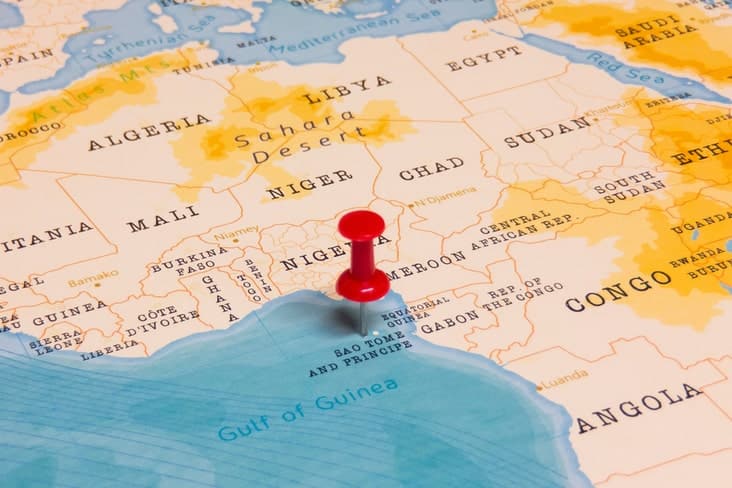
4. São Tomé and Príncipe were uninhabited when they were discovered by Portuguese explorers around 1470.
5. The two main islands São Tomé and Príncipe form part of a chain of extinct volcanoes and both are mountainous.
6. São Tomé and Príncipe is among the world’s least-visited countries, attracting only about 29,000 tourists in 2017, and peaking at 39,000 visitors in 2019. However, it has yet to recover to pre-Covid numbers.
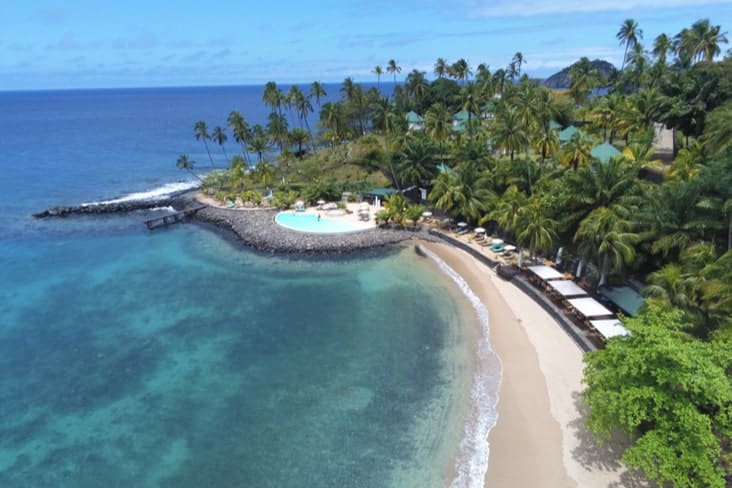
7. São Tomé was colonised by the Portuguese during the 16th century. They imported slaves to work on the sugar plantations and the island became an important staging post for the slave trade.
8. The flag of São Tomé and Príncipe is made up of green and yellow horizontal stripes, a red triangle and two black stars. The flag uses the pan-African colors, which appear on many African national flags.
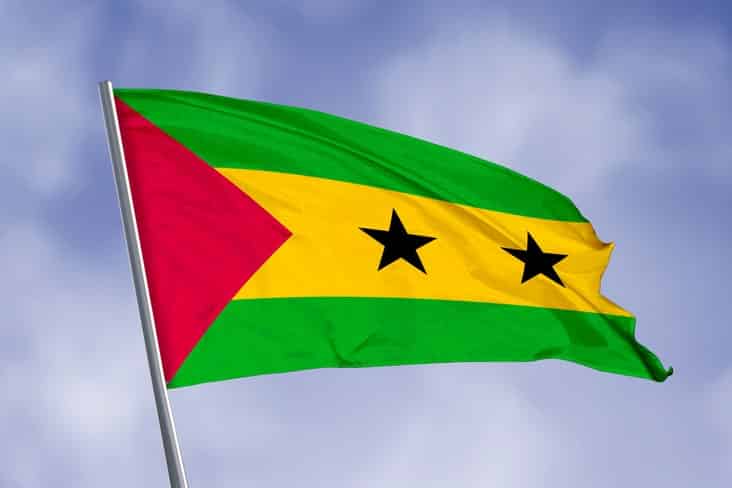
See how São Tomé and Príncipe’s flag compares to other African flags.
9. In 2026, six historic plantation complexes known as roças became São Tomé and Príncipe’s first UNESCO World Heritage Site. It reveals a system dedicated primarily to coffee and cocoa production.
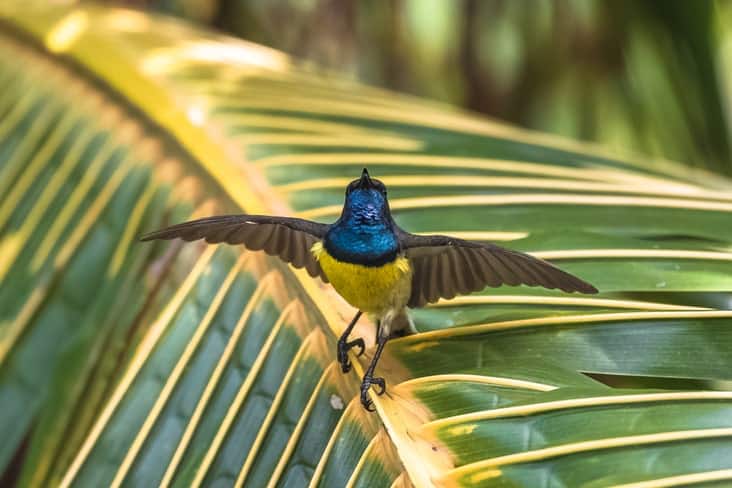
10. In 2012, the entire island of Príncipe and its surrounding islets are a UNESCO biosphere reserve because of its wide range of terrestrial and marine biodiversity including a number of endemic species of plants, molluscs, insects, birds, reptiles and bats. It is also a refuge for marine life such as sea turtles, seabirds, cetaceans and coral reefs.
11. In 2025, São Tomé and Príncipe became the first country in the world to have its entire territory designated as biosphere reserves.
12. Due to its high density of endemic species, São Tomé and Príncipe has been nicknamed “the African Galápagos”.
13. In 2019, São Tomé and Príncipe was named by Lonely Planet as one of the top 10 countries in the world to visit thanks to its “world-class” beaches, biodiversity and ecotourism credentials.
14. São Tomé and Príncipe is often abbreviated to just STP.
15. Sao Tome was named after St. Thomas the Apostle by the Portuguese explores who discovered the island on 21 December 1470 – the saint’s feast day. Príncipe is a shortened version of the Portuguese name of “Ilha do Principe” (Isle of the Prince) in reference to the Prince of Portugal.
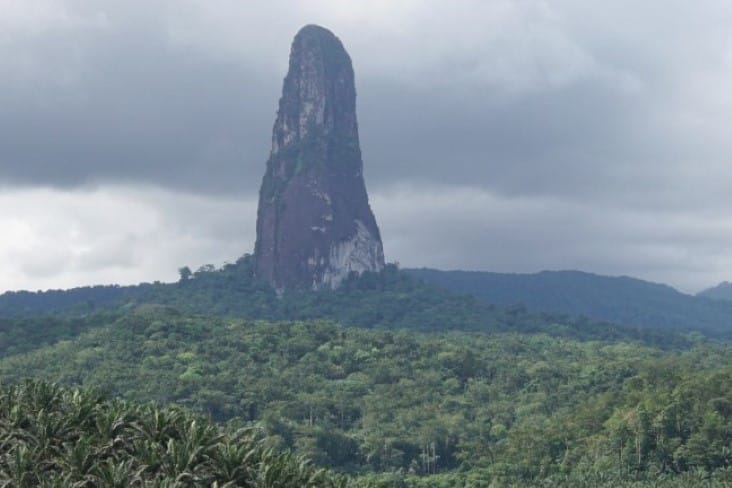
16. One of the most famous sights in São Tomé and Príncipe is the Cão Grande or Great Canine (dog). The 663m high pinnacle of rock is a hardened column of magma, the remains of an ancient volcano.
17. In the late 15th century, Portugal sent settlers to São Tomé which included convicts and Jewish children separated from their parents and deported from Portugal as well as importing enslaved Africans to the islands to grow sugar.
18. During the 16th century, São Tomé was briefly the world’s largest sugar producer. However, the rise of competition in Brazil and the poor quality of São Tomé’s badly dried product essentially ruined this industry.
19. During the 1800s, cocoa was introduced to São Tomé and by 1908, the island had developed into the world’s largest producer of cocoa with 800 plantations. The industry declined after the Portuguese left to 150 plantations in 2018. They are now hoping to rebuild the industry to its former glory.
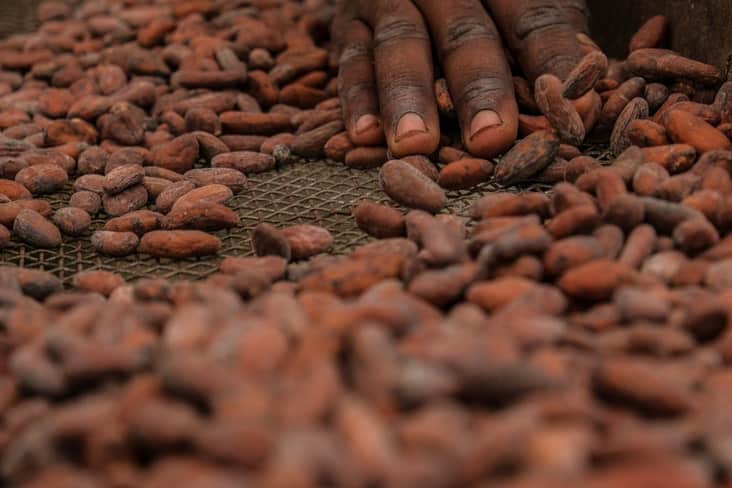
20. There is just one “grower, maker and exporter of fine chocolate” left in STP. Claudio Corallo has been described as the “best chocolate-maker on the planet” as he exports his chocolate to high-end department stores and chefs around the world.
21. Cocoa beans are the country’s largest export and primary crop. Palm oil ranks as the second-biggest export in 2022.
22. The national symbol of São Tomé and Príncipe is the palm tree.
23. São Tomé and Príncipe is yet to win a medal in the Olympic Games and or participate in the Winter Olympics.
24. The Obô Natural Park conservation area is spread across the two main islands of São Tomé and Príncipe and protects over 300km2 of land – around 30% of the entire country.
25. São Tomé and Príncipe signature dish is calulu, a stew made with okra (lady’s fingers), palm oil, chilli and lots of fresh herbs.
26. The islands of São Tomé and Príncipe are actually part of the Cameroon Volcanic Line, a 1,600km (990 mi) chain of volcanoes stretching from Lake Chad, Cameroon, Nigeria and the West Region the Gulf of Guinea.
Explore more: Test your knowledge with our Africa map quiz.
We strive to verify all facts using authoritative and primary sources where possible. However, if you find an error or have any questions, please contact us.

Caitriona Maria is an education writer and owner of The Facts Institute. With seven years of teaching experience and a background in educational content, she specialises in creating clear reference resources about countries, geography and global topics.