Chile is a uniquely long and narrow country in South America, located about 400 miles north of Antarctica.
Map of Chile

Key geography facts
1. Stretching 4,300 kilometers (about 2,672 miles) from north to south, Chile spans nearly the entire western edge of South America—yet it maintains a remarkably narrow width, with the minimum being just 90 kilometers (56 miles) across.
2. Running along its eastern border, the Andes is a towering mountain range that not only defines Chile’s rugged terrain but also marks the natural divide with neighboring Argentina. Some of South America’s tallest peaks are found here.
3. Northern Chile is home to the Atacama Desert, which receives almost no rainfall in some regions. It’s considered the driest non-polar desert on the planet and features surreal salt flats and otherworldly landscapes.
4. Located along the Pacific Ring of Fire, Chile is highly seismic. It has a long history of powerful earthquakes and active volcanoes, including the 2010 earthquake that ranked among the strongest ever recorded.
5. Because of its extreme length, Chile has an incredible range of climates—from the hot, dry desert in the north to the Mediterranean climate of central Chile and the cold, rainy conditions of the southern fjords.
Recommended reading: Fun Facts About Chile

Chile regions
Chile is made up of 16 administrative regions. Each region contains several provinces, which are further organized into communes, the smallest administrative units in the country.
- Antofagasta (Región de Antofagasta)
- Araucanía (Región de La Araucanía)
- Arica and Parinacota (Región de Arica y Parinacota)
- Atacama (Región de Atacama)
- Aysén (Región Aysén del General Carlos Ibáñez del Campo)
- Bio Bío (Región del Biobío)
- Coquimbo (Región de Coquimbo)
- Los Lagos (Región de Los Lagos)
- Los Ríos (Región de Los Ríos)
- Magallanes (Región de Magallanes y de la Antártica Chilena)
- Maule (Región del Maule)
- Santiago (Región Metropolitana de Santiago)
- Ñuble (Región de Ñuble)
- O’Higgins (Región del Libertador General Bernardo O’Higgins)
- Tarapacá (Región de Tarapacá)
- Valparaíso (Región de Valparaíso)
Map of Chile in South America
Chile is bordered by Peru to the north, Bolivia to the northeast and Argentina to the east.
Chile major cities and communes
Santiago – The capital and largest city, known for its vibrant cultural scene, economic importance, and proximity to the Andes mountains.

Puente Alto – A rapidly growing commune in the Santiago metropolitan area, recognized for its residential neighborhoods and local commerce.
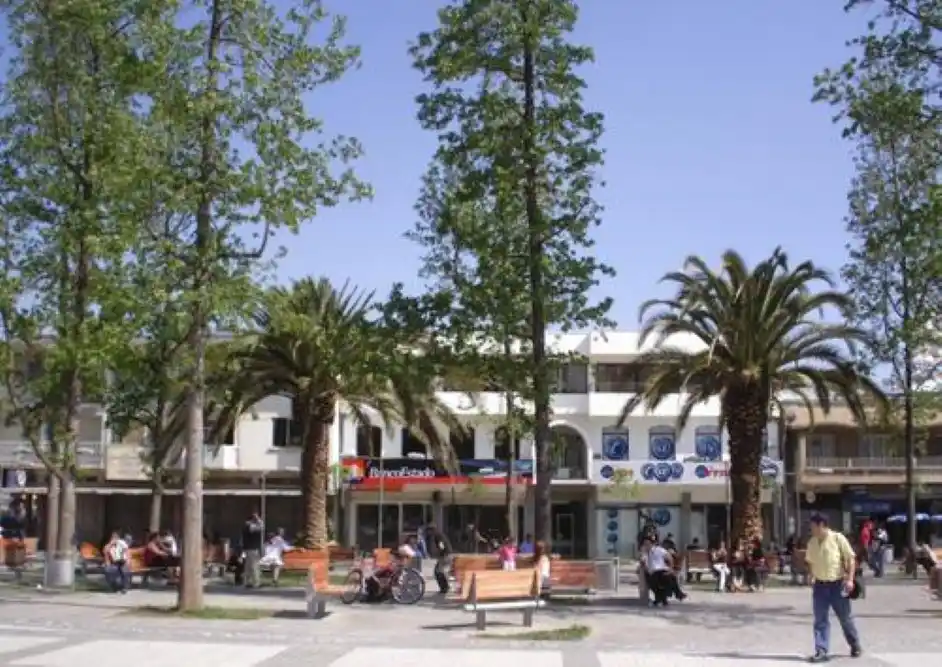
Maipú – Another commune within the Santiago metropolitan area, marked by its residential areas and historical significance.

La Florida – A significant district within Santiago, home to residential neighborhoods and large shopping malls such as MallPlaza Vespucio.

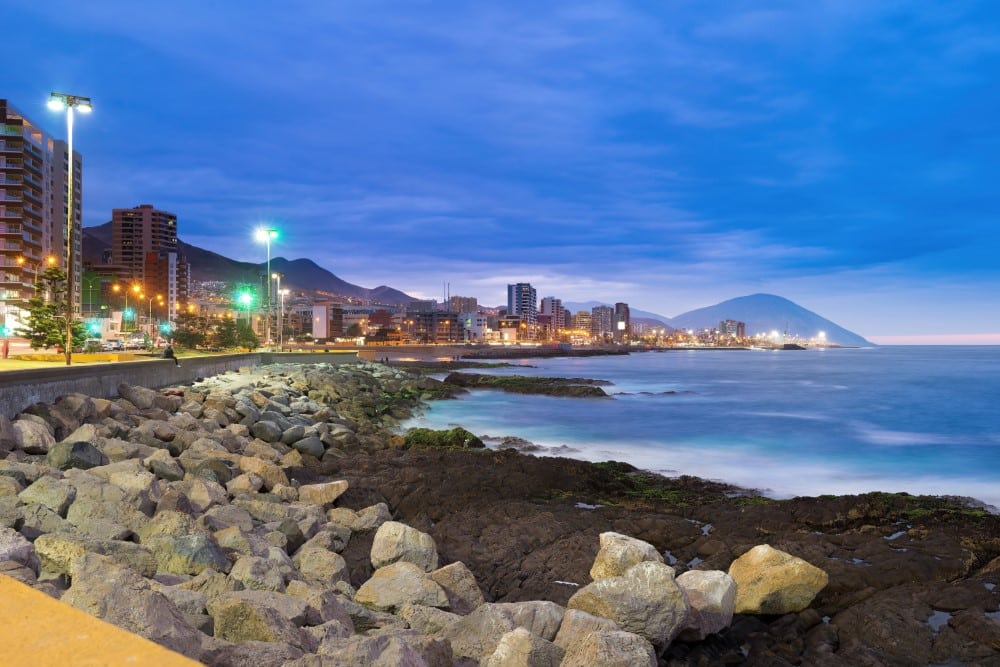
Antofagasta – A key port city in the north, famous for its mining industry and proximity to the beautiful Atacama Desert.
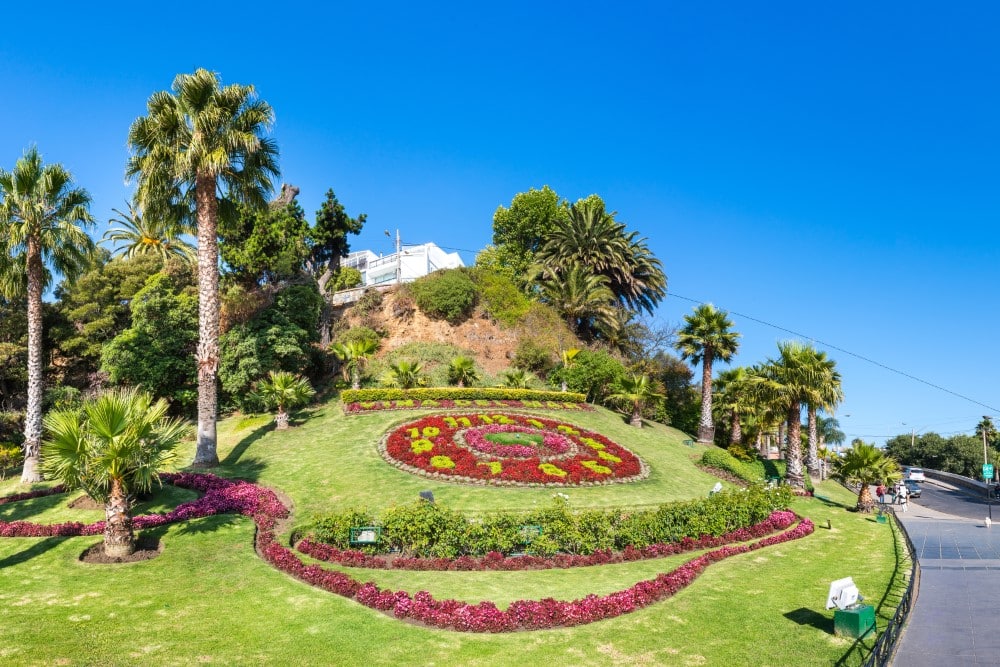
Viña del Mar – A renowned coastal city for its beaches, tourism and international music festival.
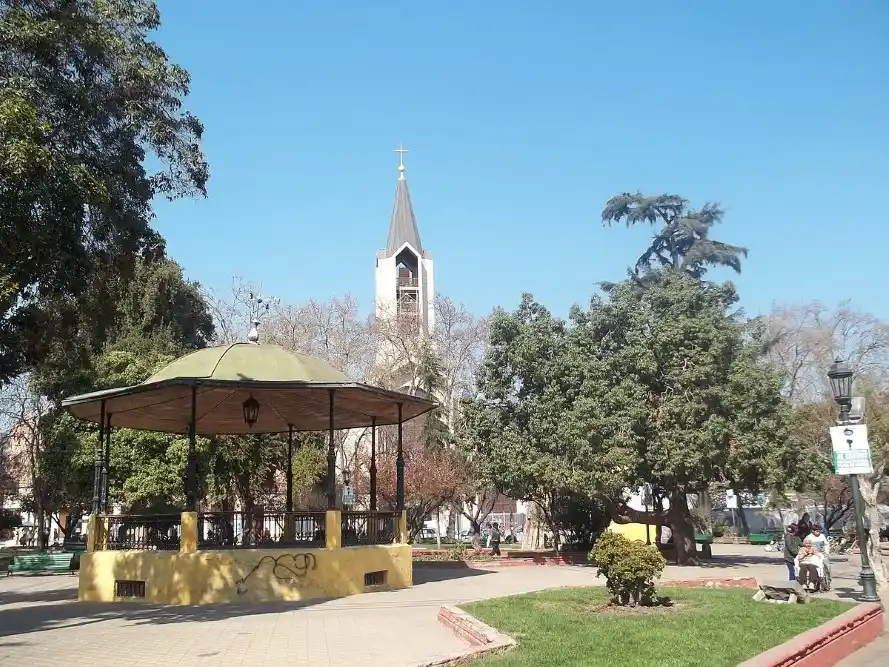
San Bernardo – A populous commune in the Santiago Metropolitan Region, known for its blend of urban and rural elements. It is considered the capital of Chilean folkloric traditions.
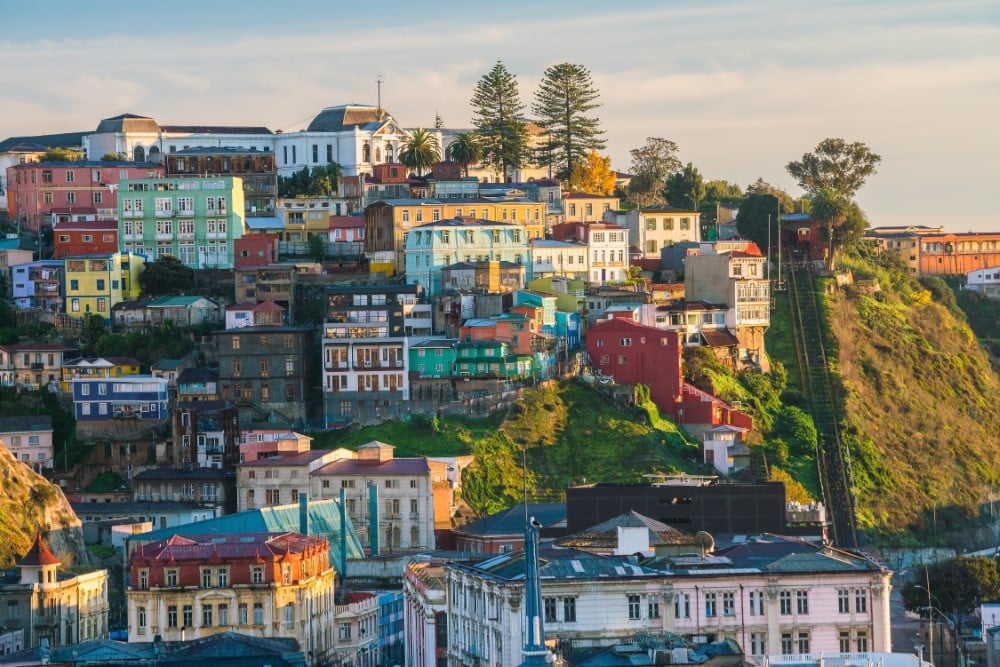
Valparaíso – A historic port city adorned with colorful hillside homes, a vibrant arts scene, and significant maritime history.
Temuco – A major city in southern Chile and the capital of the Araucanía Region, Temuco is an important center for Mapuche culture, forestry, and agriculture. It’s surrounded by lush forests and volcanoes.
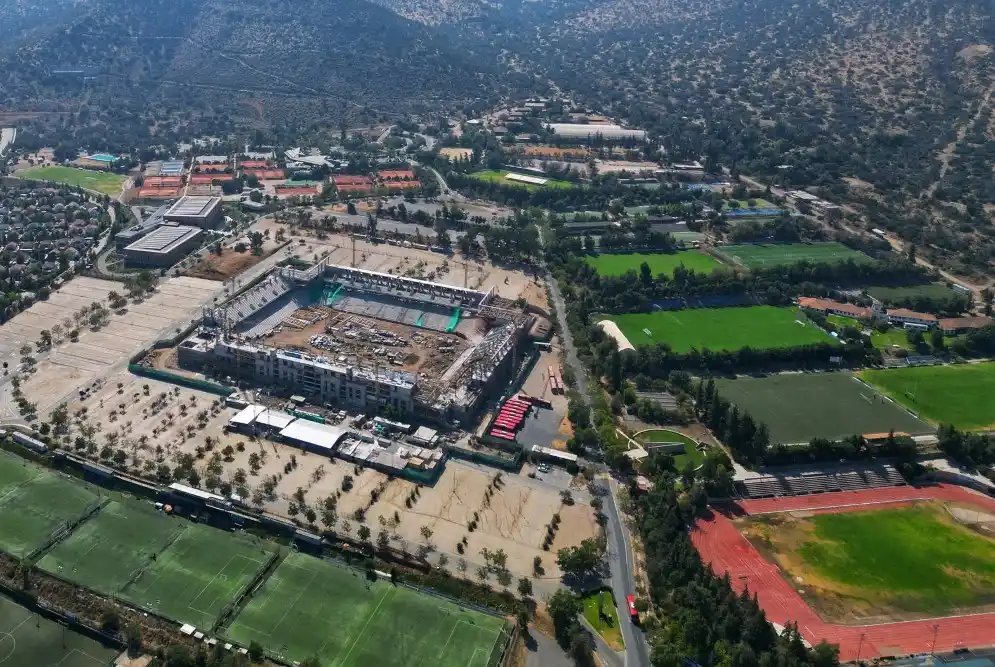
Las Condes – An upscale commune within Greater Santiago, characterized by its modern skyline, luxury shopping, and high-end residential neighborhoods. It’s a financial and business hub, often compared to global metropolitan districts.
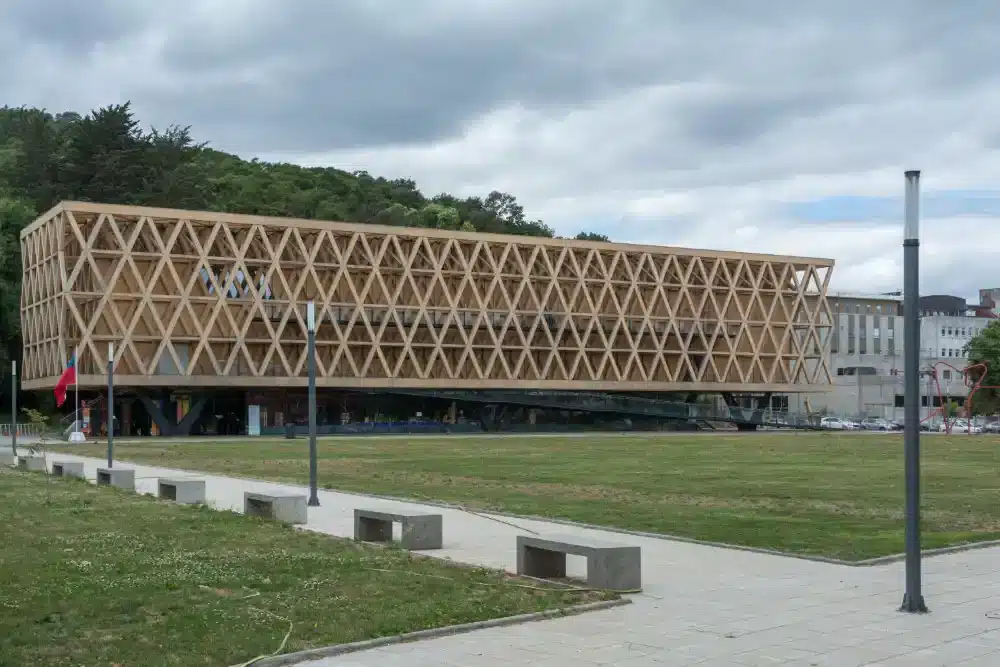
Concepción – “The college town of Chile,” due to its many educational institutions, is considered the second largest city in Chile by urban area.

La Serena – A coastal city distinguished by its beautiful beaches and colonial architecture and is a popular tourist destination.

Caitriona Maria is an education writer and owner of The Facts Institute. With seven years of teaching experience and a background in educational content, she specialises in creating clear reference resources about countries, geography and global topics.