Cradled between the soaring Andes and the depths of the Amazon in South America, Peru is a land where ancient civilizations whisper through stone ruins and vibrant traditions pulse through every bustling market.
Map of Peru

Key Geography Facts
1. Peru is the third-largest country in South America, after Brazil and Argentina, and ranks as the 20th largest in the world by land area.
2. About a third of Peru’s population lives in a narrow desert region along the Pacific coast, even though this area makes up only about 10% of the country’s total land area. The majority, however, live in the Andean highlands.
3. The Andes Mountains stretch the full length of Peru from north to south, forming the second-highest mountain range in the world and including Mount Huascarán, the country’s tallest peak at 6,768 meters (22,205 feet).
4. More than 60% of Peru is covered by the Amazon Rainforest, a vast and biodiverse region known locally as the selva, which is home to rare wildlife and potentially uncontacted Indigenous tribes.
5. Lake Titicaca, shared with Bolivia, sits high in Peru’s Andean highlands and holds the title of the world’s highest navigable lake at 3,812 meters (12,507 feet) above sea level.
Recommended reading: Fun Facts About Peru

Peru Regions
Peru has 25 administrative regions, which are further divided into provinces:
- Amazonas
- Áncash
- Apurímac
- Arequipa
- Ayacucho
- Cajamarca
- Callao
- Cusco
- Huancavelica
- Huánuco
- Ica
- Junín
- La Libertad
- Lambayeque
- Lima
- Loreto
- Madre de Dios
- Moquegua
- Pasco
- Piura
- Puno
- San Martín
- Tacna
- Tumbes
- Ucayali
Map of Peru in South America
Peru shares its northern borders with Ecuador and Colombia, while Brazil lies to the east. To the southeast, it borders Bolivia, and Chile is to the south. The Pacific Ocean lines its western and southern edges.
Peru Major Cities
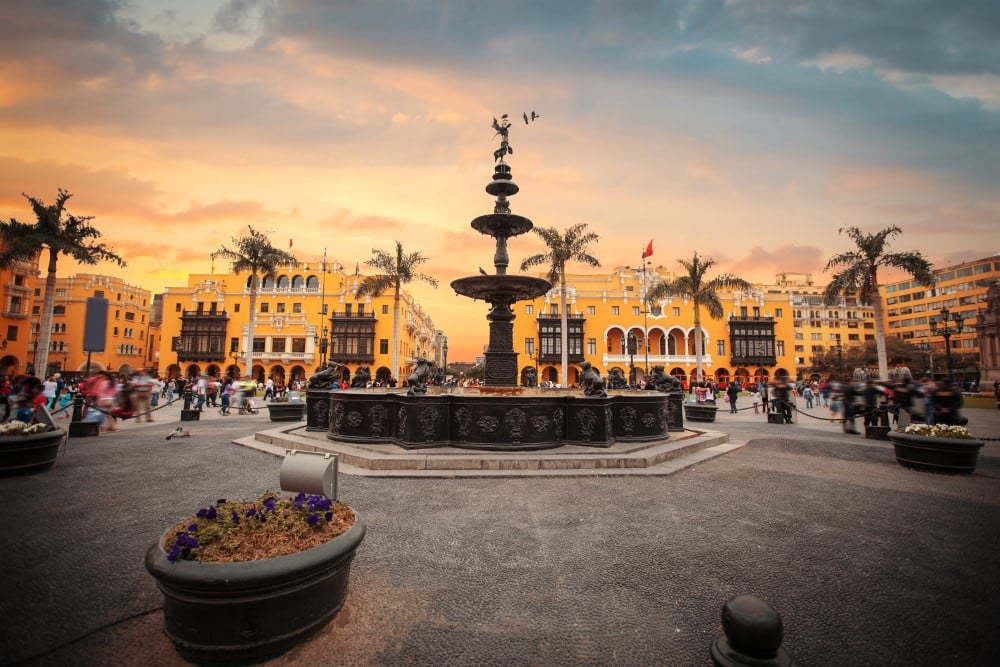
Lima – The capital and largest city, known for its colonial architecture, rich cultural scene, and as the political, economic, and cultural center of Peru.
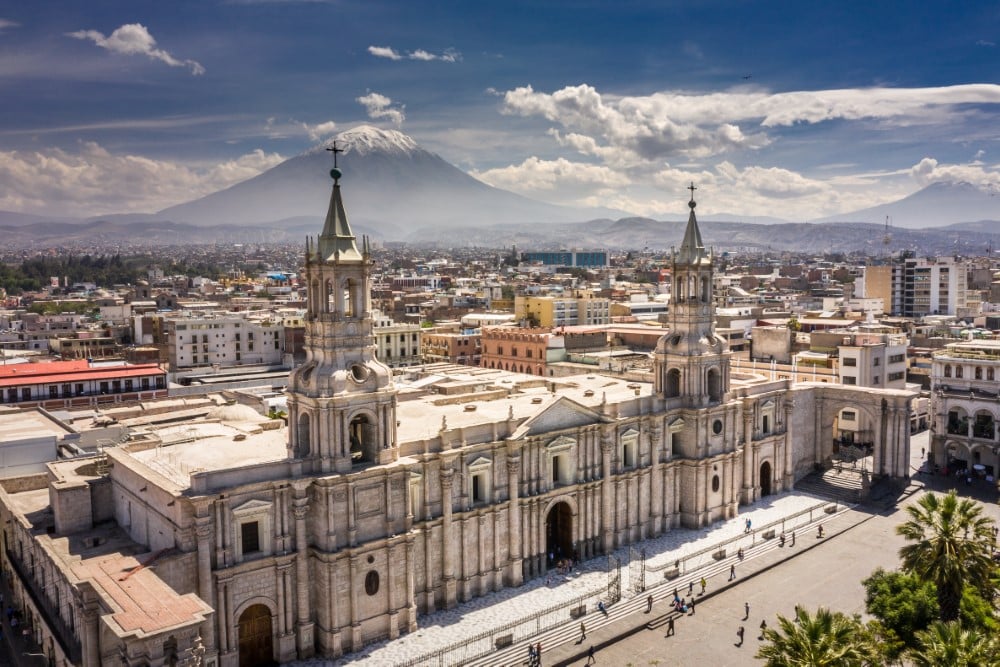
Arequipa – Regarded as the “White City” for its stunning white volcanic stone buildings, it is the second-largest city and a major cultural and economic hub.
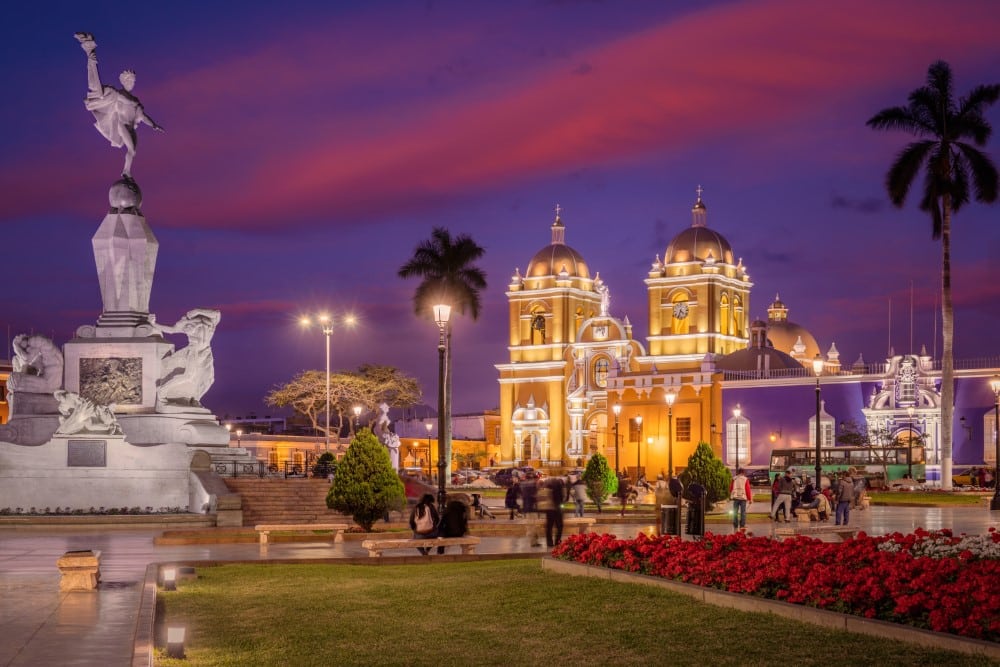
Trujillo – Located in the northwest, recognized for its colonial architecture, vibrant festivals, and nearby ancient ruins such as the mud-brick city Chan Chan.
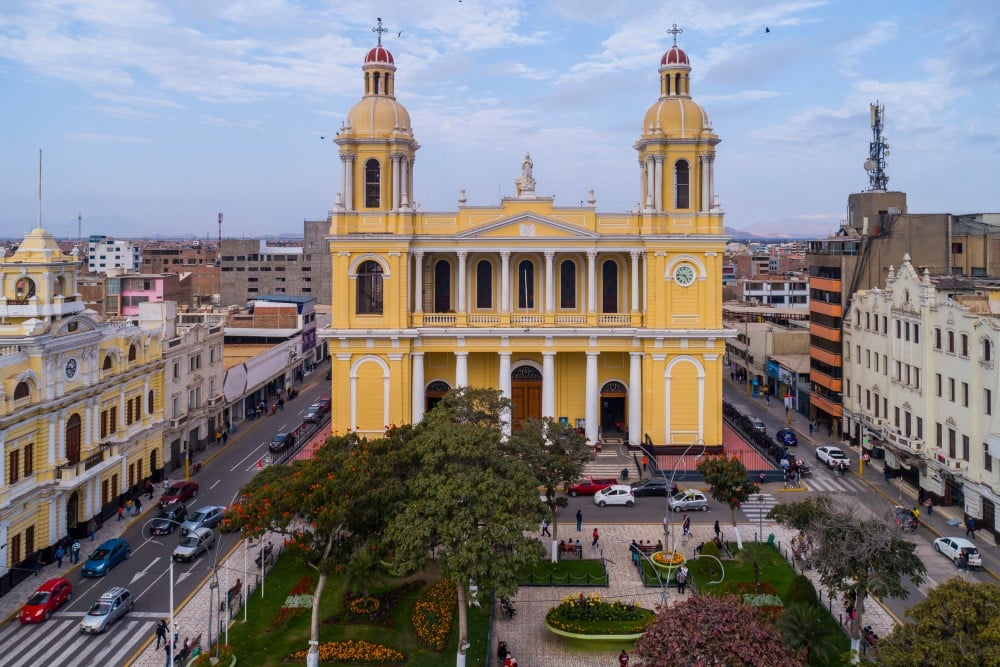
Chiclayo – A major city in the north where the most recently appointed Pope Leo XIV called home. Its wildlife refuge protects hundreds of native flora and fauna and it’s a haven for archaeological sites.
Piura – Located in the northwest near the Sechura Desert, known for its beaches, warm climate, and as an important commercial center in the region.
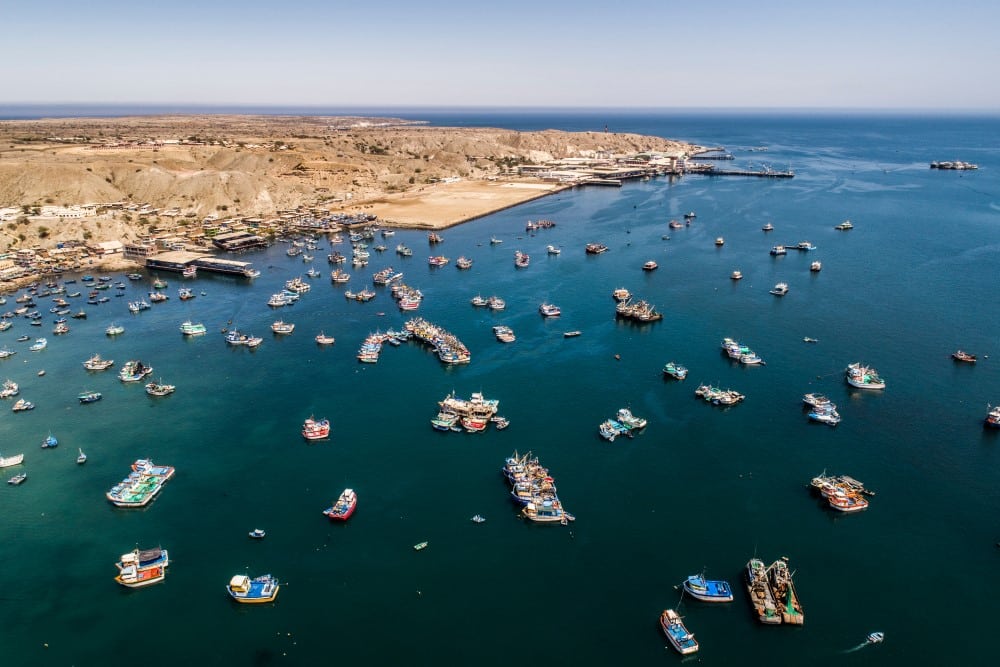
Huancayo – A major city in the central highlands, defined by its rich cultural traditions, markets, and as a commercial hub.
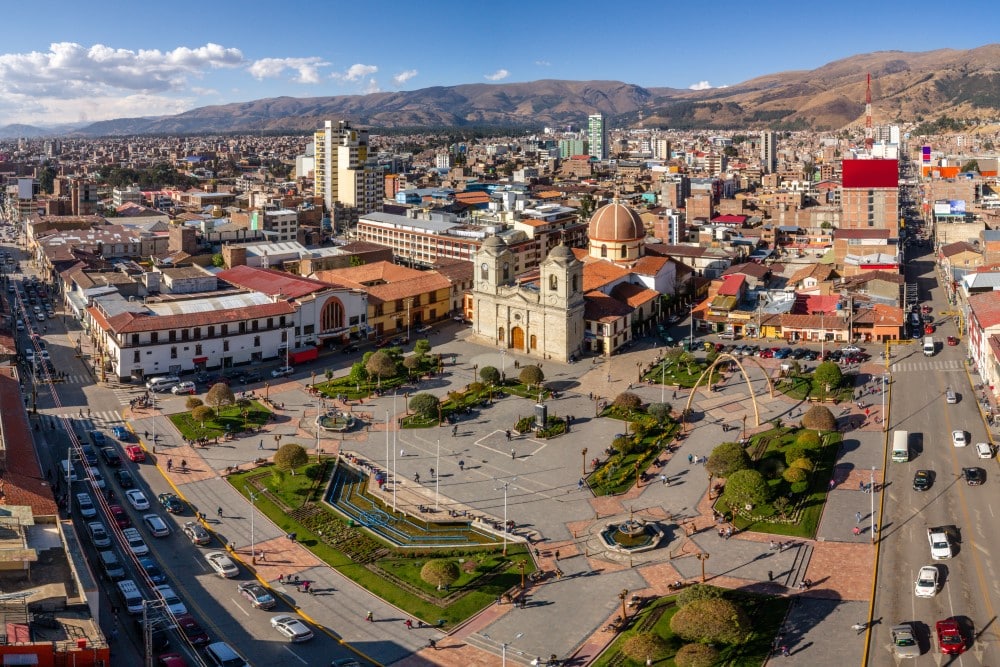
Cusco – The historic capital of the Inca Empire, recognized for its well-preserved Inca and Spanish colonial architecture, and is about a three-hour train ride from Machu Picchu.
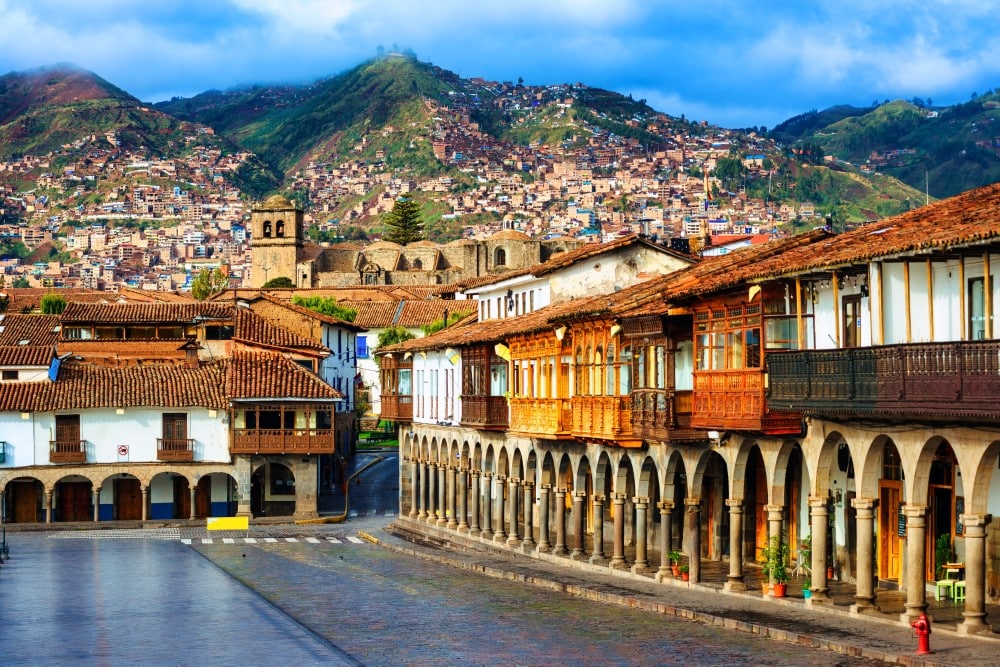
Iquitos – The largest city in the Peruvian Amazon, accessible only by river or air, marked by its unique rainforest environment and as a starting point for Amazon River tours.
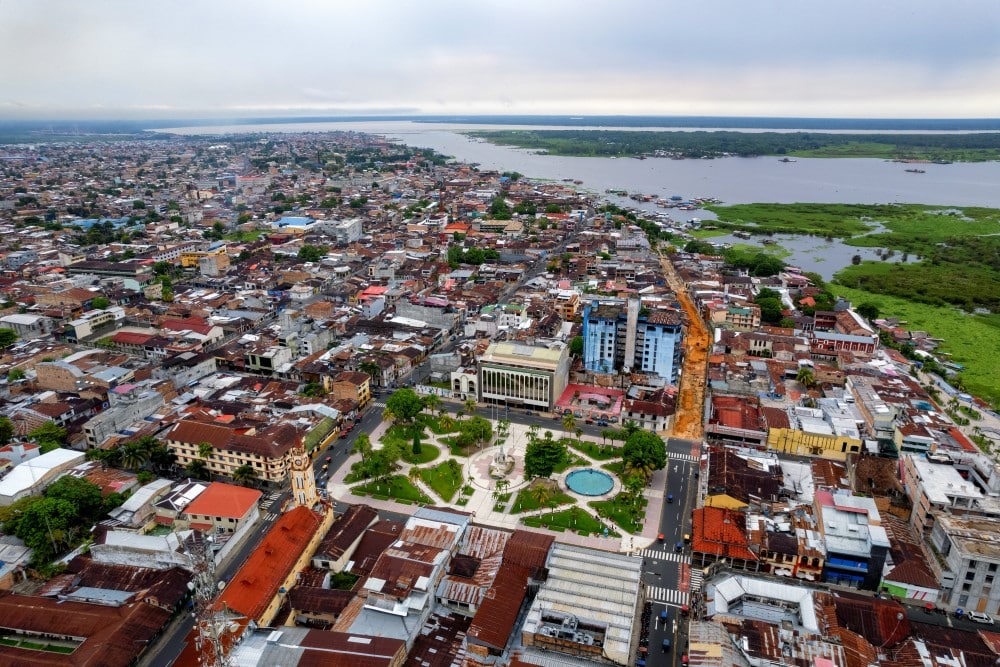
Tacna – Located in the far south, it is celebrated for its history, patriotism, and role in Peru’s independence movements, as well as its proximity to the Chilean border. It is currently a tax-free zone, drawing shoppers far and wide.
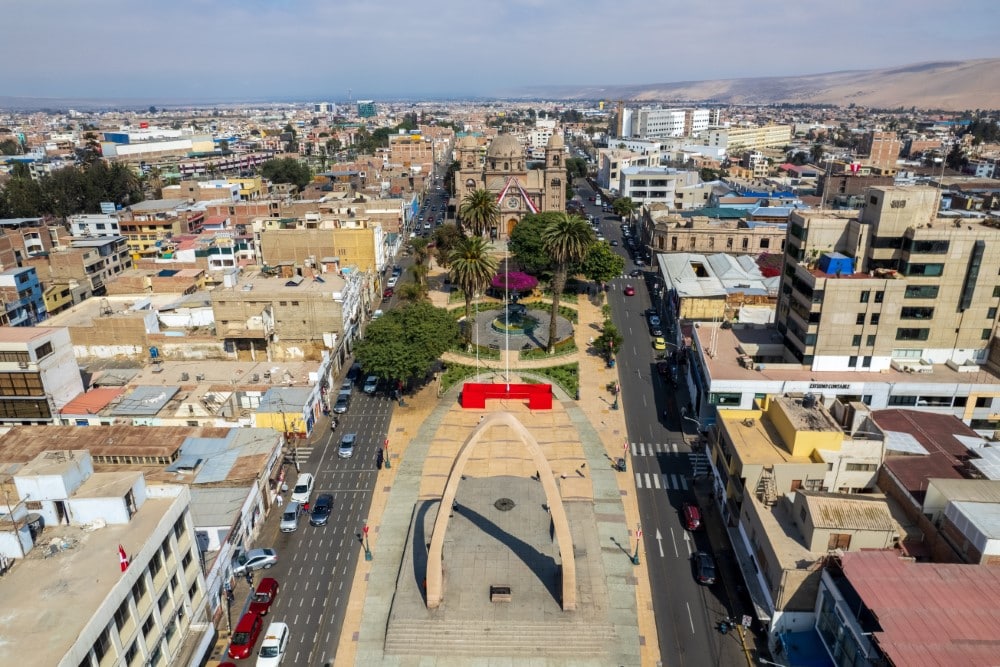
Chimbote – A coastal city distinguished by its fishing industry and as a major port on the Pacific Ocean.
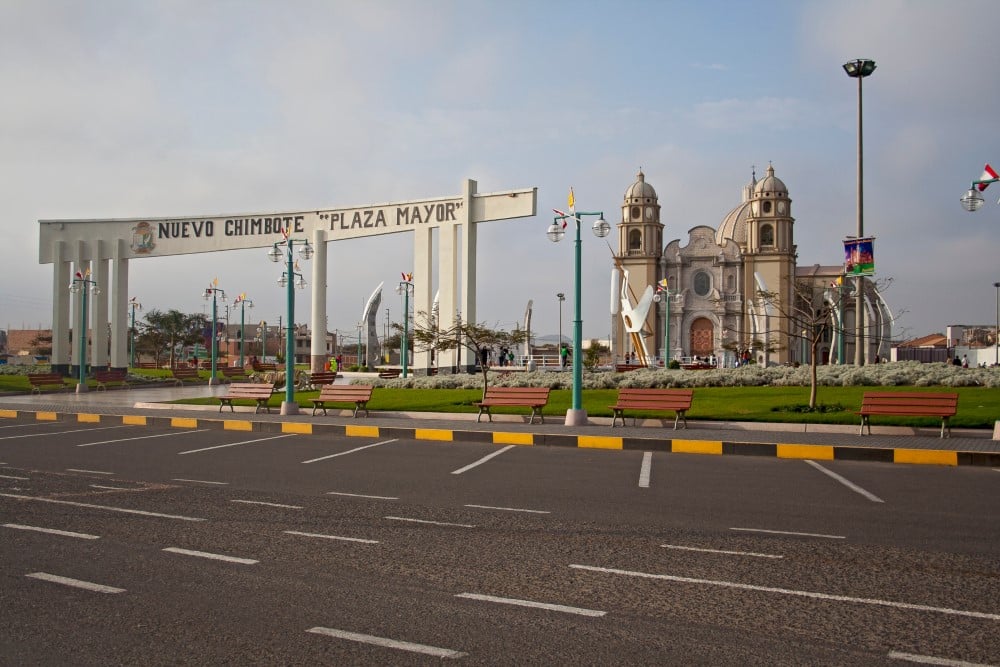
Juliaca – Located in the southern highlands near Lake Titicaca, its main activity is commerce and acts as a transportation hub for visiting the surrounding regions.
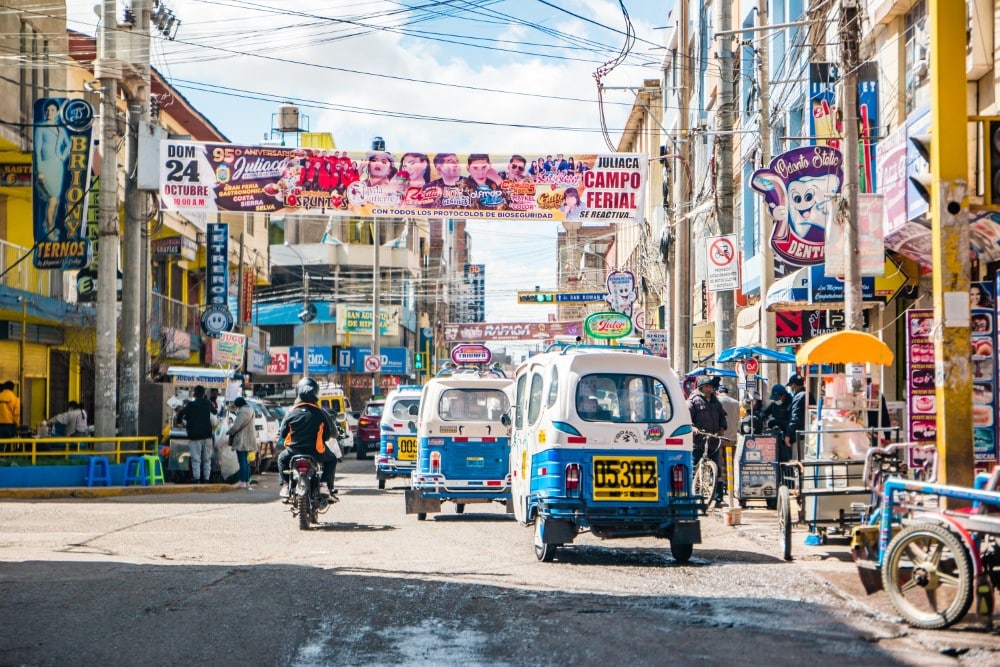
Ica – A city in southern Peru known for its wine production, nearby desert landscapes, and the famous Huacachina oasis.
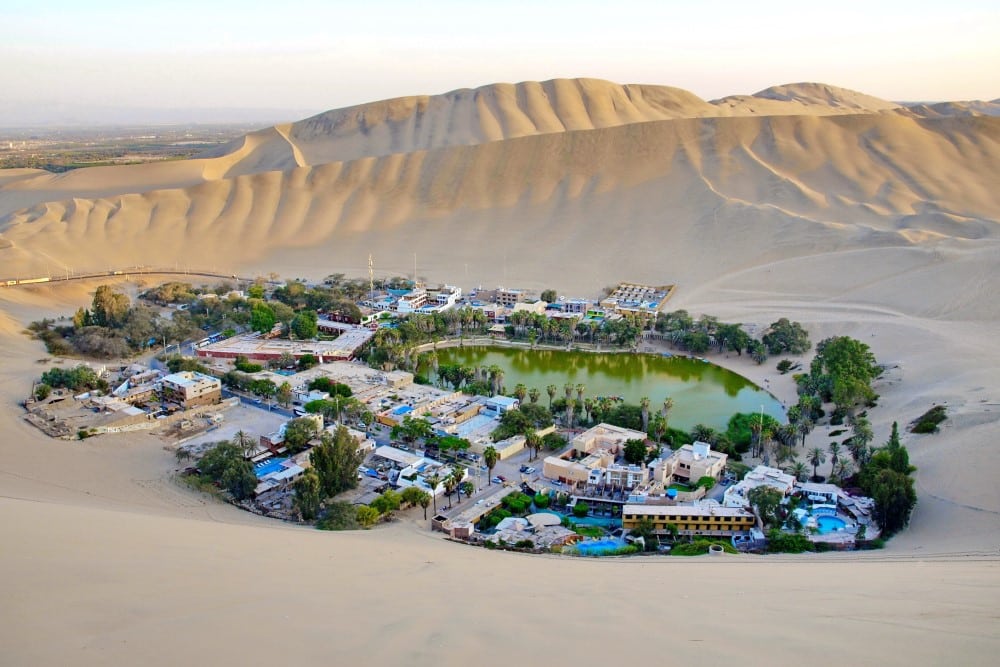
Cajamarca – A historic city in the northern Andes, renowned for its colonial architecture, rich history, and the Inca Atahualpa’s ransom room.
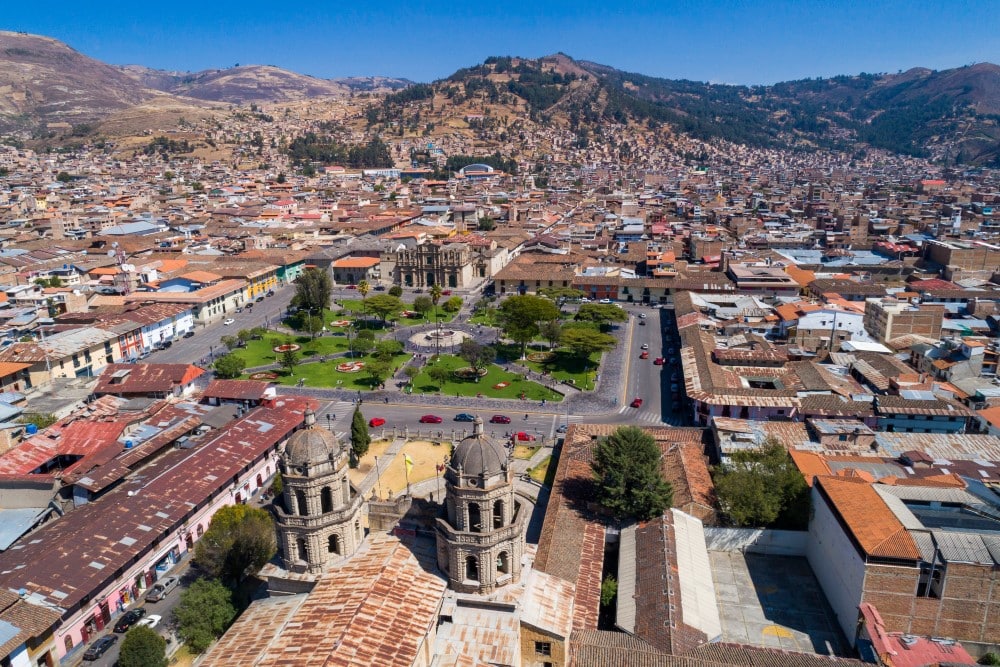
Pucallpa – A major city in the Amazon region, serving as a key port on the Ucayali River and a gateway to the rainforest.
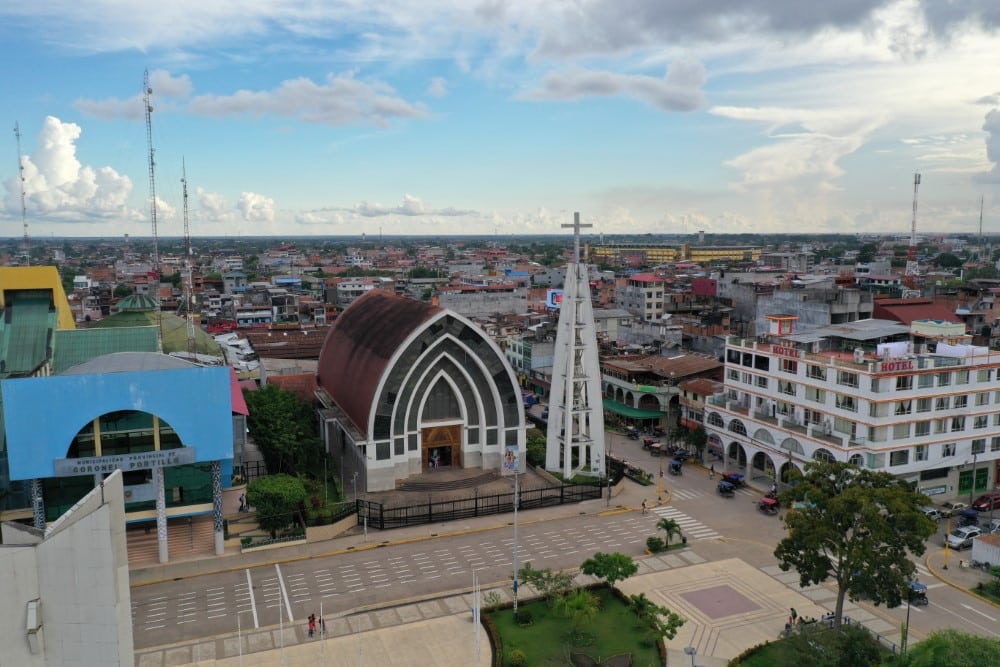
Sullana – Located in the northwest coastal desert near the Ecuadorian border, Sullana is noted for its agriculture trade, especially its cotton.
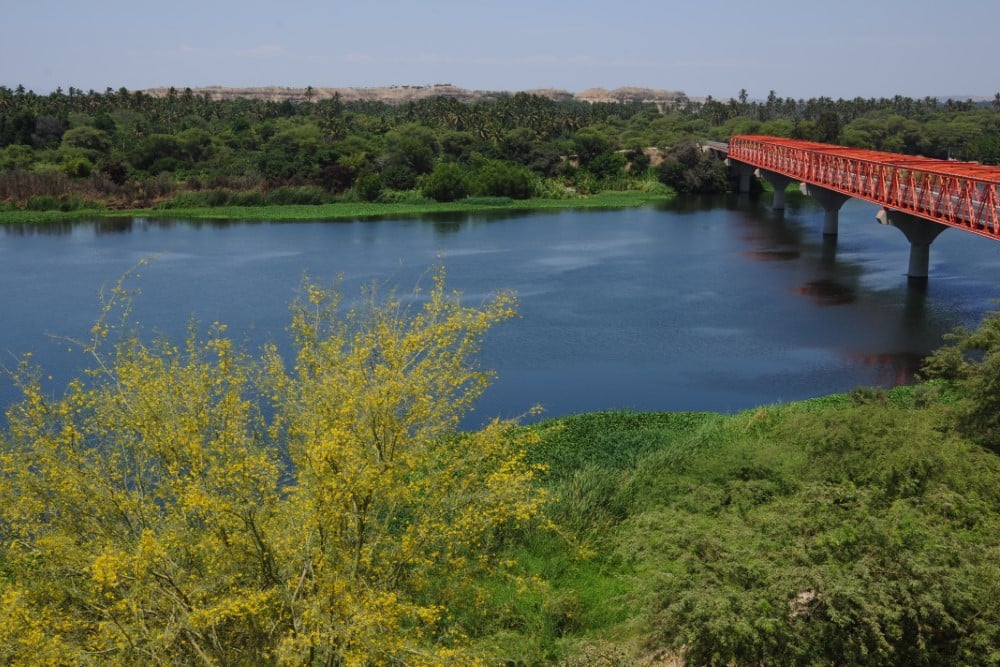
Ayacucho – A highland city renowned as the “City of Churches,” Ayacucho is rich in history, as evidenced by its well-preserved colonial architecture and as a center for traditional crafts.

Caitriona Maria is an education writer and owner of The Facts Institute. With seven years of teaching experience and a background in educational content, she specialises in creating clear reference resources about countries, geography and global topics.