The most interesting facts about the Dominican Republic, from cars that appear to roll uphill to fossils preserved in amber.
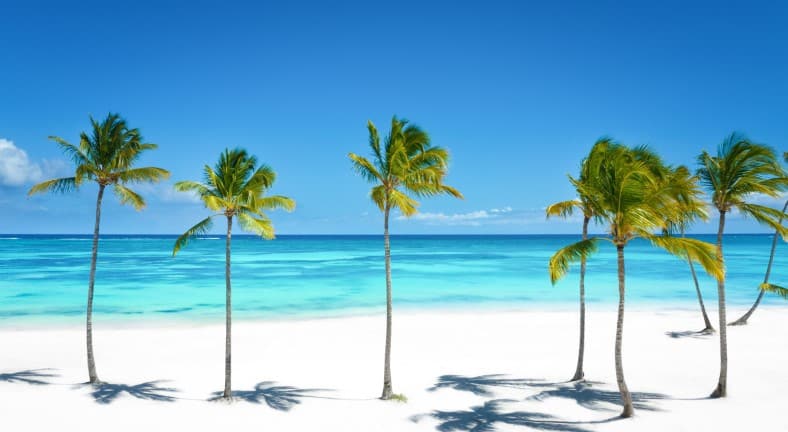
Fast facts
Official name: Dominican Republic
Population: 10,815,857
Area: 48,670 sq km
Capital city: Santo Domingo
Major languages: Spanish
Major religions: Evangelical 50.2%, Roman Catholic 30.1%
Time zone: UTC-4 (Atlantic Standard Time)
Fun facts about the Dominican Republic
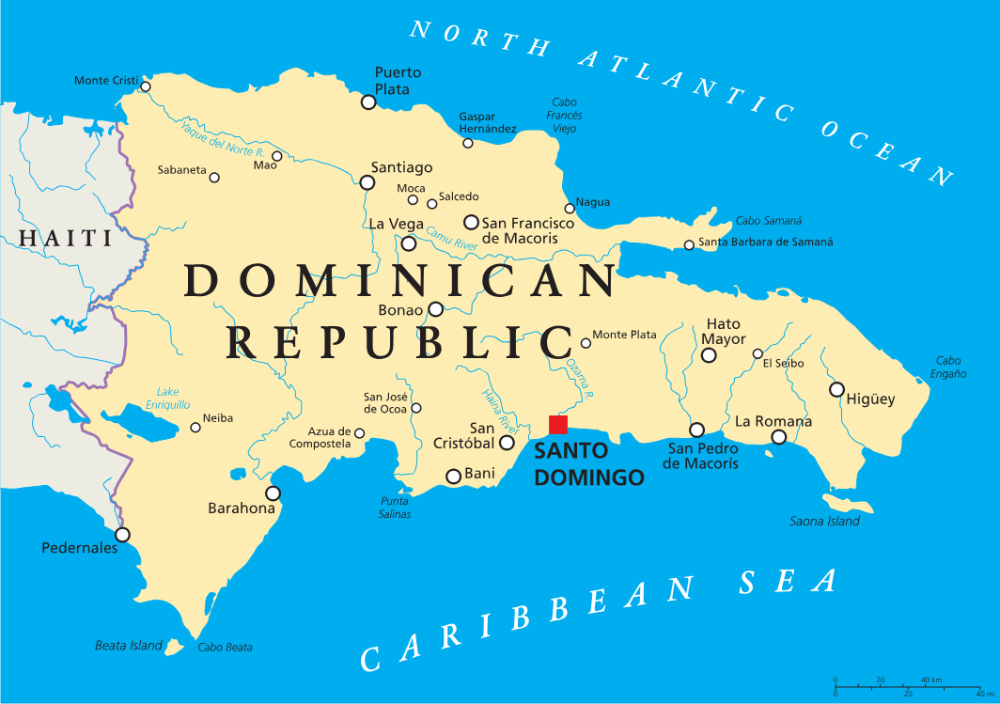
1. The Dominican Republic is an island nation in the West Indies of the Caribbean Sea.
2. The Dominican Republic is the second-largest country in the Caribbean.
3. The Dominican Republic occupies the eastern two-thirds of Hispaniola and borders Haiti, which occupies the western third of the island.
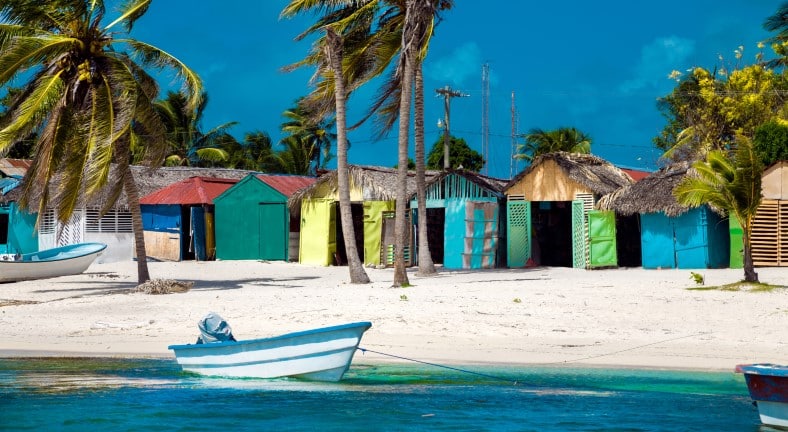
4. Christopher Columbus was the first European to explore the Dominican Republic in 1492. He landed and named the island La Isla Española (The Spanish Island), which later became Anglicized as Hispaniola.
5. The name of the country is derived from the capital city of Santo Domingo (Saint Dominic), which in turn was named after Saint Dominic de Guzman (1170-1221), founder of the Dominican Order.
6. After being occupied by Haiti from 1822, Santo Domingo declared independence in 1844 and became the Dominican Republic.
7. In 1965, the United States of America invaded the Dominican Republic in an attempt by US President Lyndon B Johnson to forestall a “communist dictatorship” during unrest in the country. The US was concerned the Dominican Republic could become “another Cuba”, so 22,000 US troops were sent to install a conservative, non-military government.
8. The Dominican Republic’s flag is quartered blue-red-blue-red with a central white cross containing the country’s coat of arms. It is the only country whose national flag features a Bible.
9. The Dominican Republic’s flag is the only flag in the world to feature the Bible.
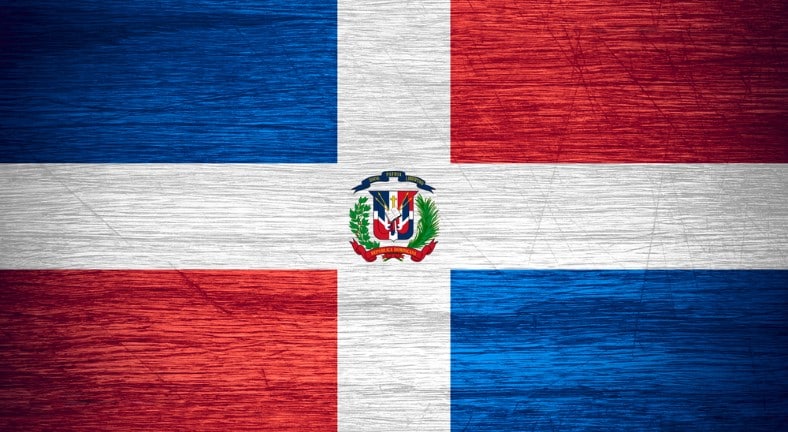
See how the Dominican Republic’s flag compares to other Caribbean flags.
10. The Dominican Republic is widely referred to as “the DR”.
11. The Dominican Republic is a great place to spot humpback whales with Samaná considered one of the world’s top 10 whale-watching destinations. The North Atlantic humpback whales migrate through the surrounding waters from mid-January to mid-March.
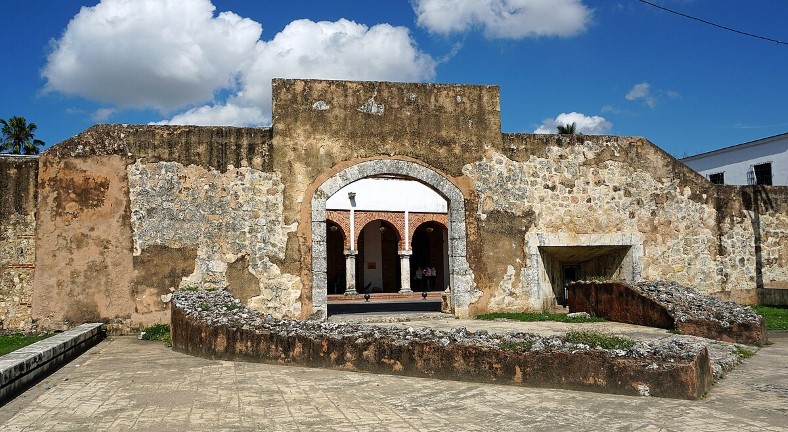
12. The Dominican Republic has one UNESCO World Heritage Site, the Colonial City of Santo Domingo. Founded in 1498, six years after Columbus arrived, Santo Domingo became the site of the first cathedral, hospital, customs house, and university in the Americas. The town was set out in a grid pattern that became the model for most towns in the New World.
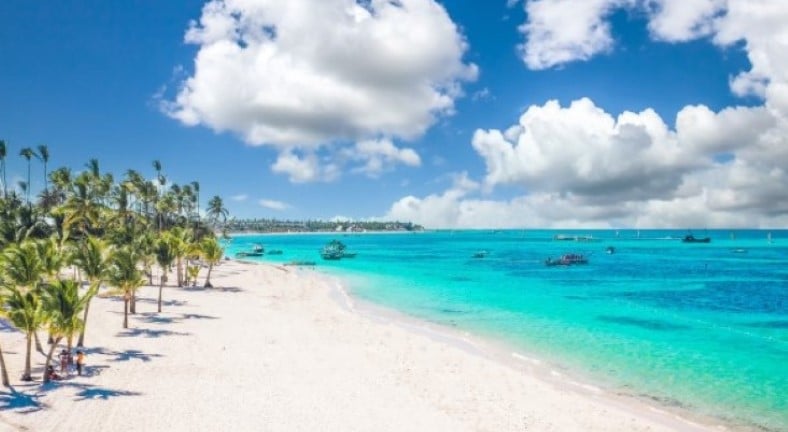
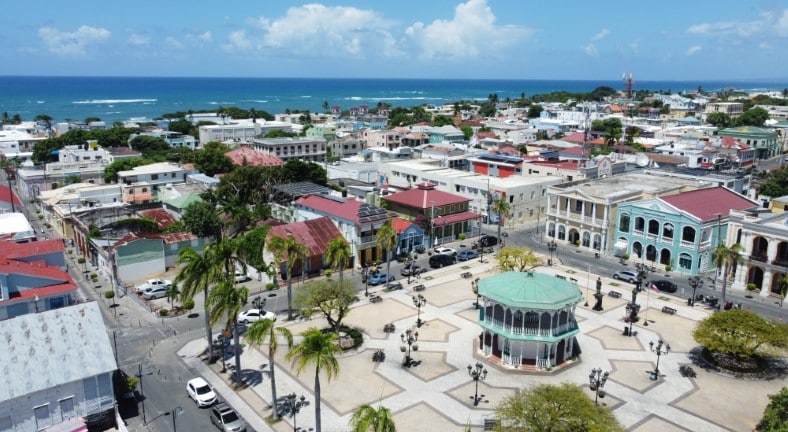
13. Today, the Dominican Republic is a major tourist destination. Along with free-trade zones, tourism has become the country’s principal employer and revenue source.
14. In 2020, a new species of boa was discovered in the Dominican Republic – the first of its kind in 133 years. The tiny snake, known as the Hispaniolan Vine Boa (Chilabothrus ampelophis), has “wide eyes, a unique zig-zagging scale pattern, and a square snout”.
15. The Dominican Republic is home to the highest point in the Caribbean. Pico Duarte (previously known as Mount Loma Tina and Trujillo Peak) rises 3,175m (10,417ft) above sea level.
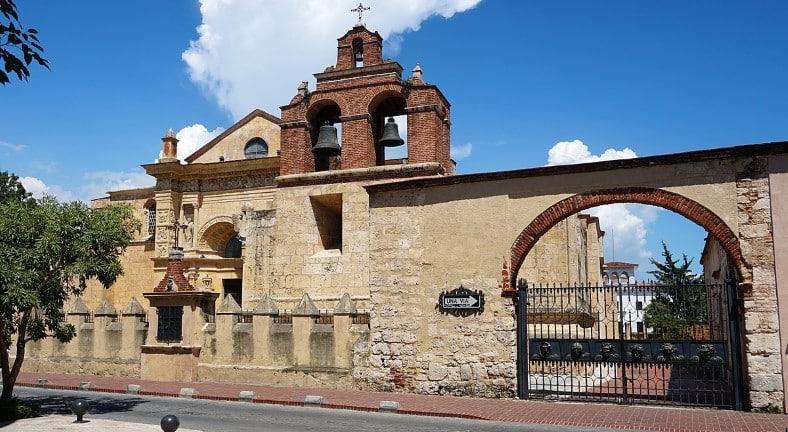
16. The oldest standing cathedral in the Western hemisphere is in the Dominican Republic. The first stone of the Catedral Primada de América was laid in 1514 by Diego Columbus, the son of Christopher Columbus. The ashes of both father and son apparently once resided in the chapel’s crypt.
17. Dominican amber is known for its clear composition and high concentration of fossil inclusions. The amber – which is mined on the island – forms from the sap of the Hymenaea tree and then traps an insect, spider, or other creature. The resin hardens into a polymer, preserving the animal within for millions of years.

18. 25% of the Dominican Republic’s land is protected within 29 national parks.
19. Cars can appear to roll uphill in Polo Magnético in the Dominican Republic. Polo Magnético is home to a “gravity hill,” an optical illusion caused by a slope’s shape and its relation to the surrounding landscape. A car put in neutral gear, with the brake disengaged, will appear to be “pulled” uphill.
20. One of the most popular tourist attractions in the Dominican Republic is the 27 Waterfalls of Rio Damajagua, a series of cascades featuring natural swimming pools and natural chutes to slide down, as well as ladders for climbing.

21. The Parque Nacional Cotubanamá is a series of over 400 caverns and caves in the Dominican Republic. The site is known for its petroglyphs (rock carvings) and wildlife which includes 112 species of birds, 250 types of insects and arachnids, and 120 species of fish, a well as over 500 species of flora, 55 of which are endemic.
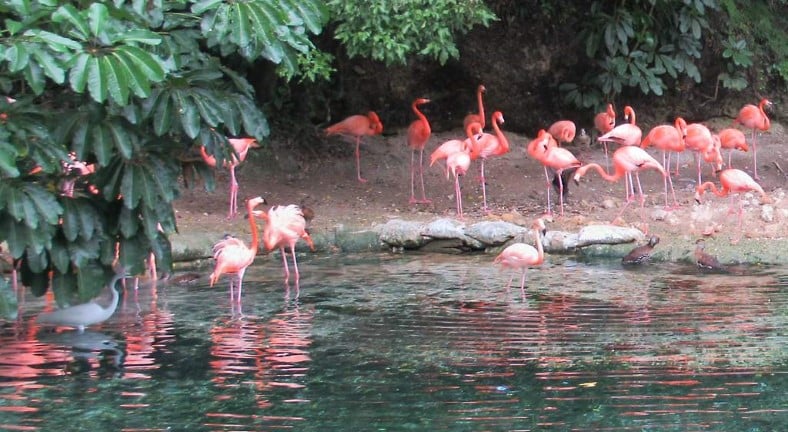
22. The Dominican Republic is considered to be a world-class birdwatching destination, with at least 318 confirmed bird species and 32 endemic bird species on the island.
23. Albert Pujols, a Dominican-born former professional baseball player, was one of the most prolific hitters of the early 21st century.
24. The Dominican Republic’s Lago Enriquillo is the largest lake in the Caribbean. Oddly, the waters of Lago Enriquillo have risen 11.2m (37ft) over the years, engulfing at least 40,000 acres of land in the process.
25. Lake Enriquillo is also the region’s lowest point: in 2013, its surface was 34m (112ft) below sea level. Enriquillo is a hypersaline lake, meaning its waters are not fresh but significantly salty.
Explore more from North America
We strive to verify all facts using authoritative and primary sources where possible. However, if you find an error or have any questions, please contact us.

Caitriona Maria is an education writer and owner of The Facts Institute. With seven years of teaching experience and a background in educational content, she specialises in creating clear reference resources about countries, geography and global topics.