Imagine a country smaller than Maryland, perched high in the mountains of Southern Africa, suddenly becoming the target of the steepest U.S. tariff in the world.
Back in April, the US threatened to slap the country’s exports with a 50 percent tariff — a rate in line with the steepest tariffs announced for India and Brazil.
When the official decision came, the rate was set at 15 percent. But by then, the damage had already been done.
A Small Country, A Big Shock
Lesotho’s economy is modest and depends heavily on exports.
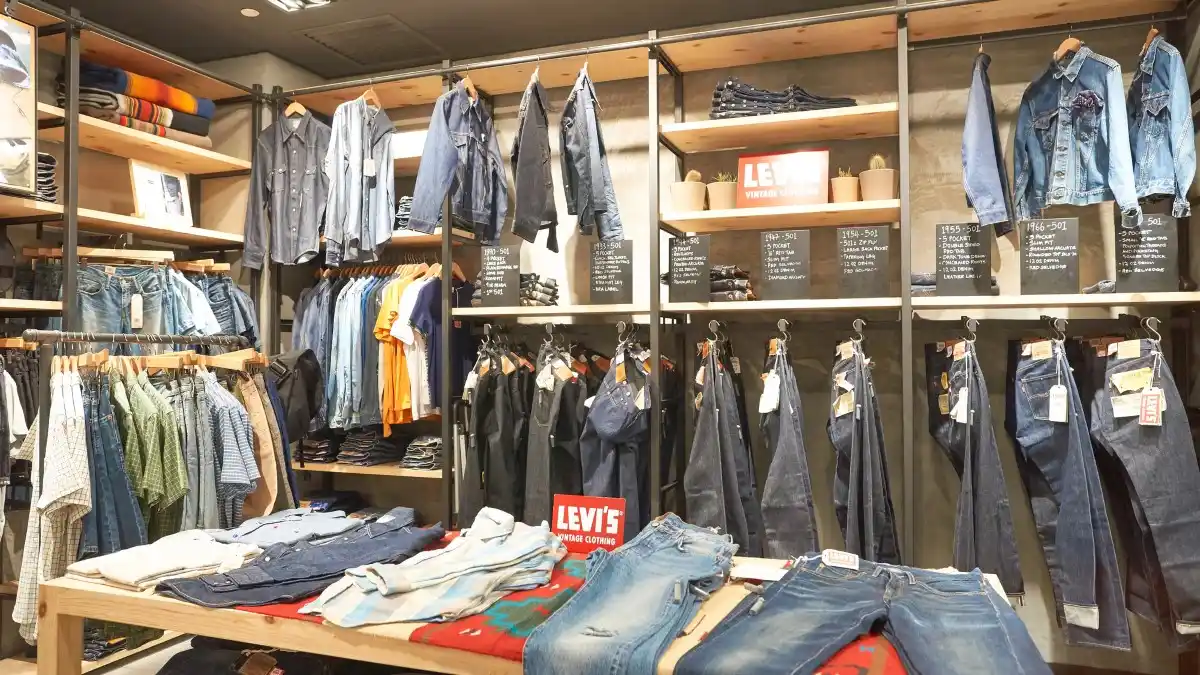
One of its biggest lifelines is clothing. The country is often called the “denim capital of Africa,” producing jeans for American giants like Levi’s and Wrangler.
The textile industry is Lesotho’s largest private employer and accounts for nearly 90 percent of the country’s industrial jobs, according to The New York Times.
But the mere threat of a 50 percent tariff sent panic through the industry.
American buyers began canceling orders months in advance, fearing prices would soar. Factory floors that once buzzed with sewing machines fell silent, leaving piles of unfinished fabric and stacks of unworn clothes.
The Human Cost
In Maseru, the capital, 51-year-old Mathuso Tau lost her textile job in July. With school fees due for her daughter, a graduation outfit to buy for her son, and only a pot of rice left for the day’s meals, she admitted to The New York Times, “It’s not the life I’m used to, begging for things. It’s painful.”
Another worker, Aletta Seleso, said her hours were cut in half after April’s tariff announcement. Her reduced paycheck could no longer cover the needs of her child and extended family.
“They say it’s about a tariff,” she told the BBC.
For her, a number debated thousands of miles away had become the difference between stability and hunger.
Some former factory workers have turned to street vending, selling fruit, cigarettes, or fried snacks just to scrape together a few dollars a day.
Others have fallen back on extended family, or, in the harshest cases, sex work to cover rent and food.
Why Lesotho?
The tariff was calculated using a formula based on U.S. trade deficits. In practice, that meant smaller economies with narrow trade profiles got hit hardest.
Lesotho, which sells far more to the U.S. than it buys, suddenly topped the list.
That calculation wiped away the benefits of the African Growth and Opportunity Act, a trade pact that once gave African countries duty-free access to U.S. markets.
For Lesotho, the program had fueled a rare success story. Textile and garment factories became the country’s largest private employer, once providing jobs for nearly 50,000 people.
However, since the tariff changes were announced, the industry’s workforce has already shrunk by more than a third.
A Fragile Future
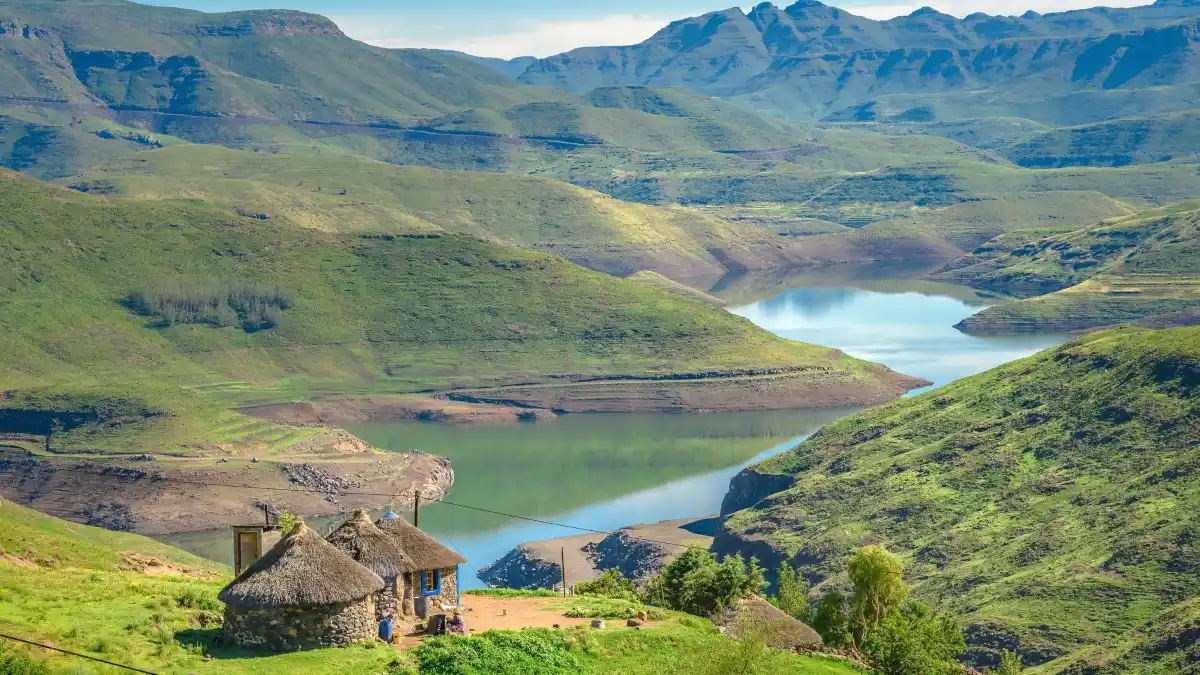
Lesotho’s economy is only about $2 billion in size, which is smaller than many U.S. companies. Losing $200 million in exports is not a rounding error; it is an existential crisis.
Some factories have long relied on South African buyers, since the country surrounds Lesotho and is its biggest trade partner. Those plants continue to operate, but they cannot absorb all the lost jobs.
Others are holding out hope that American buyers will return if the tariff remains at 15 percent. But confidence has already been shattered.
The Bigger Picture
For shoppers in the United States, the impact may barely register. Jeans and T-shirts will still hang on racks, their prices little changed.
But for Lesotho, the episode shows how a tariff announced in Washington can send shockwaves through an economy half a world away.
In this mountain kingdom, the threat of a 50 percent tariff was enough to silence factories, erase jobs, and throw thousands of families into uncertainty — proof that in today’s global economy, sometimes the fear of change can be as damaging as change itself.

Caitriona Maria is an education writer and owner of The Facts Institute. With seven years of teaching experience and a background in educational content, she specialises in creating clear reference resources about countries, geography and global topics.