Arab flags are the national flags of countries commonly considered part of the Arab world. Many use the pan-Arab colors of red, white, black and green, while others feature distinctive symbols such as crescents, stars, swords or eagles.
Historically, these colors have been linked to Arab and Islamic dynasties: black with the Abbasids and Rashidun, white with the Umayyads, green with Islamic tradition and the Fatimid dynasty, and red with the Hashemites.
In modern national flags, these colors may also carry additional meanings such as sacrifice, peace, independence, fertility, unity or the struggle against foreign rule. As meanings can vary by country, the same color does not always represent exactly the same idea on every Arab flag.
Arab flags by country
Curious about the colors, symbols and designs used across the Arab world? Below are the national flags of the 22 Arab countries. Click on any flag to discover its meaning.
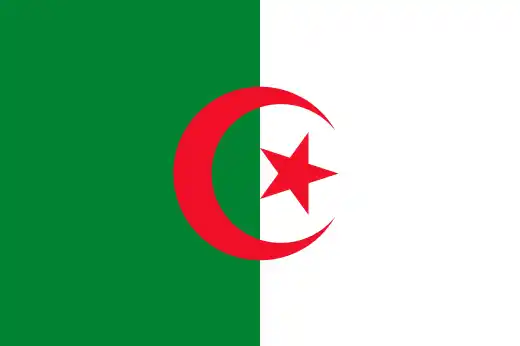
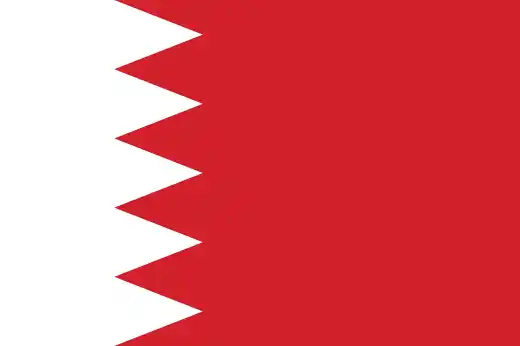

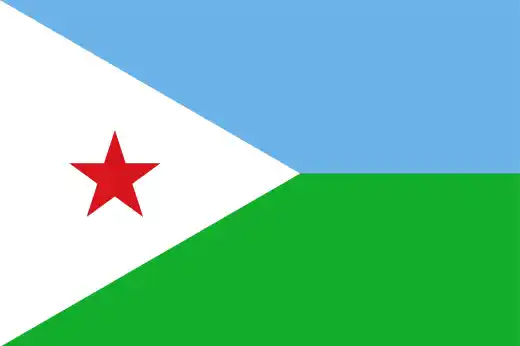
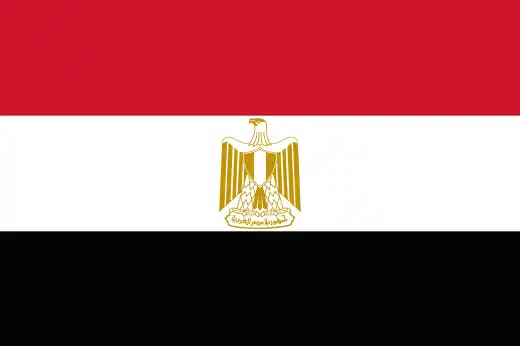
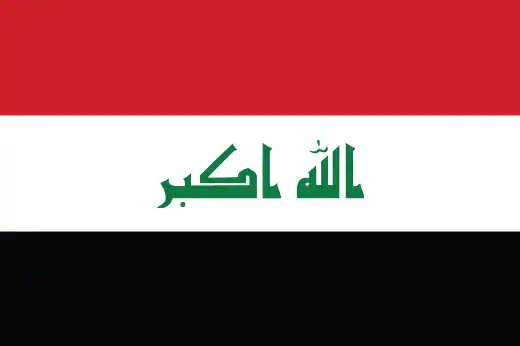


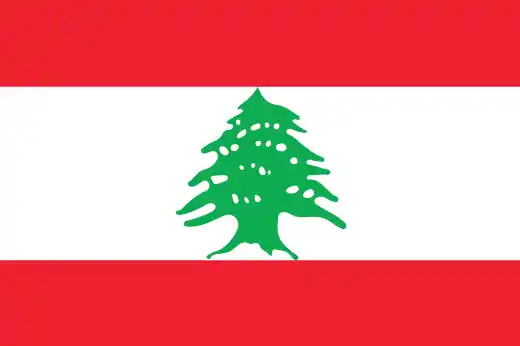

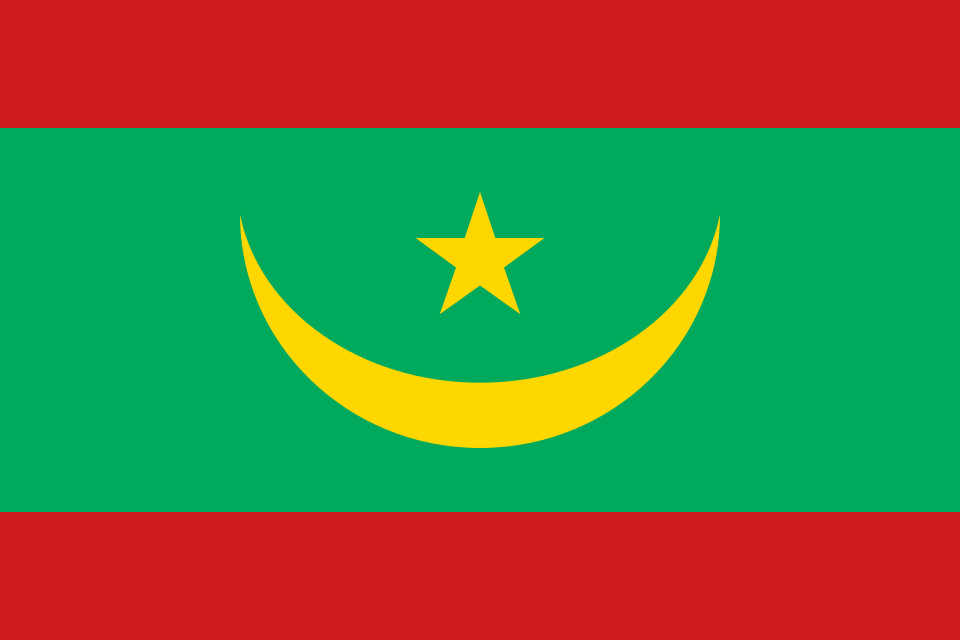


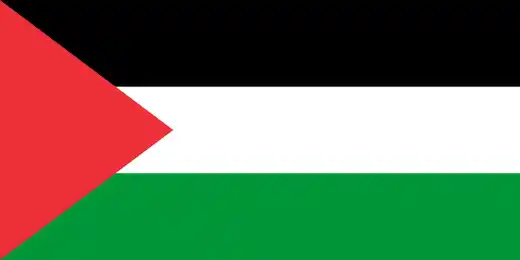



The Arab Revolt flag
The pan-Arab colors of red, white, black and green were famously combined in 1916 to form the Arab Revolt flag.
The Arab Revolt flag, also known as the Flag of Hejaz, became an important symbol of Arab nationalism during the First World War.
Its design used the pan-Arab colors and influenced several later flags in the Arab world. Flags such as those of Jordan, Palestine, Kuwait and the United Arab Emirates are based on the Arab Revolt flag.
Arab liberation colors
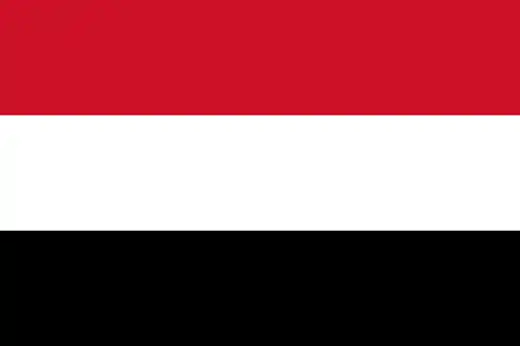
In the 1950s, another important flag pattern became common across the Arab world: the Arab Liberation colors.
These are usually shown as horizontal bands of red, white and black. Green may still appear, but it is often less prominent.
The Arab Liberation colors became especially important after the Egyptian Revolution of 1952. Egypt’s revolutionary flag helped inspire several later Arab flags, including the modern flags of Egypt, Iraq, Sudan and Yemen.
This is why many Arab flags use a similar red, white and black tricolor pattern, while still adding their own national symbols or details.
Middle Eastern flags vs Arab flags
Many Middle Eastern flags are also Arab flags, especially those of countries such as Jordan, Kuwait, Iraq, Syria, Yemen and the United Arab Emirates.
However, the two terms are not identical. Some Middle Eastern countries, such as Iran and Israel, are not Arab countries, while some Arab countries are located in North Africa.
You can also compare these with Middle Eastern flags to see how the two regional groupings overlap.

Caitriona Maria is an education writer and owner of The Facts Institute. With seven years of teaching experience and a background in educational content, she specialises in creating clear reference resources about countries, geography and global topics.