10 fun facts about Argentina
1. Argentina is the second-largest country in South America and the eighth-largest country in the world by total area.
2. Argentina is home to Aconcagua, the highest mountain outside Asia. The peak rises to about 6,962 meters (22,840 ft) in the Andes near the border with Chile.
3. The Pampas cover a huge part of central Argentina. These vast, fertile grasslands became closely associated with the gauchos, the skilled horsemen and cattle herders often compared to cowboys.
4. Tango originated in the Río de la Plata region, particularly Buenos Aires, during the late 19th century. The dance and its music have since become one of Argentina’s most famous cultural exports.
5. Argentina shares Iguazú Falls with Brazil. The enormous waterfall system consists of around 275 individual falls and is protected as part of a UNESCO World Heritage Site.
6. Southern Argentina contains much of Patagonia, a vast region of mountains, grasslands, deserts, forests and glaciers that stretches across to neighboring Chile.
7. Ushuaia, on the main island of the Tierra del Fuego archipelago, is one of the southernmost cities in the world and is a major departure point for cruises and expeditions to Antarctica.
8. Yerba mate is one of Argentina’s most popular traditional drinks. The caffeinated infusion is commonly shared from a hollow gourd using a metal straw known as a bombilla.
9. Perito Moreno Glacier in Los Glaciares National Park covers around 250 square kilometers (97 sq. miles). After remaining unusually stable for decades, the glacier is now experiencing accelerating ice loss and retreat.
10. Football is Argentina’s most popular sport, and the country has produced some of the game’s most famous players, including Diego Maradona and Lionel Messi.
Read more: Facts about Argentina

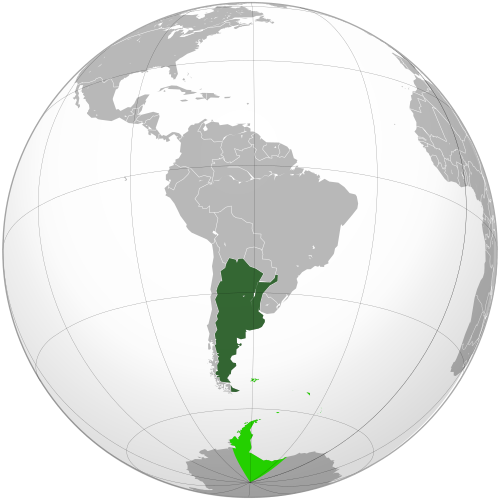
Geography of Argentina
Argentina is one of the largest South American countries and stretches to the southern tip of the continent, with a long coastline on the South Atlantic Ocean.
Its landscape is highly varied, ranging from the towering Andes and fertile Pampas to subtropical wetlands, dry northern plains, Patagonian plateaus and glaciers.
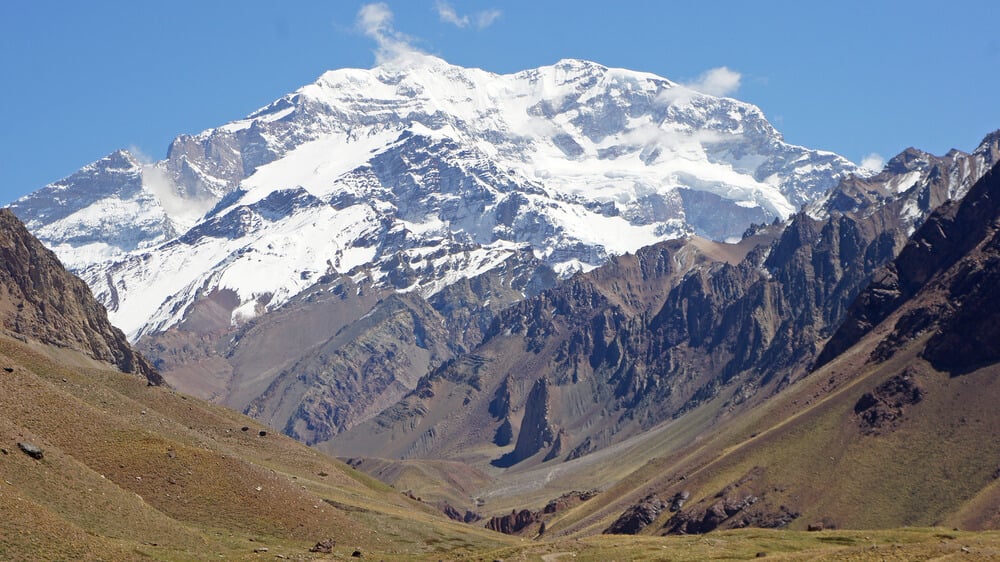
Andes Mountains & Aconcagua
The Andes run along Argentina’s western border with Chile for much of the length of the country. The highest mountains occur in the west-central Andes, where Aconcagua rises, the highest point in Argentina and the Americas.
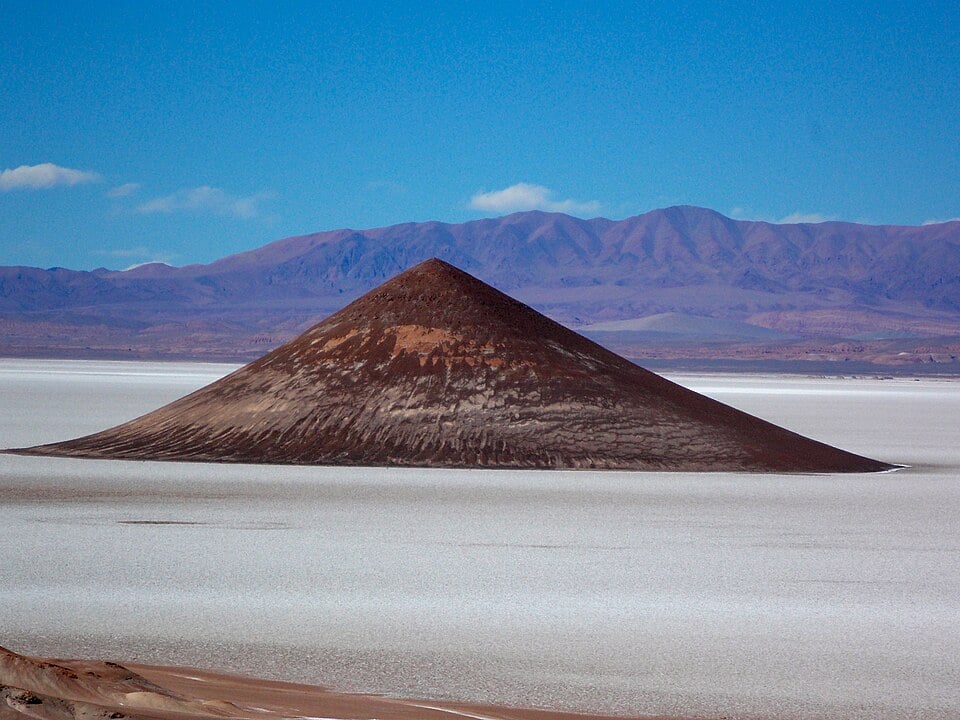
Northwest Highlands & Puna
Northwestern Argentina contains rugged mountains, high valleys and the elevated Puna plateau. Much of this region is dry and sparsely vegetated, with salt flats, volcanic peaks and colourful rock formations occurring across provinces such as Jujuy and Salta.
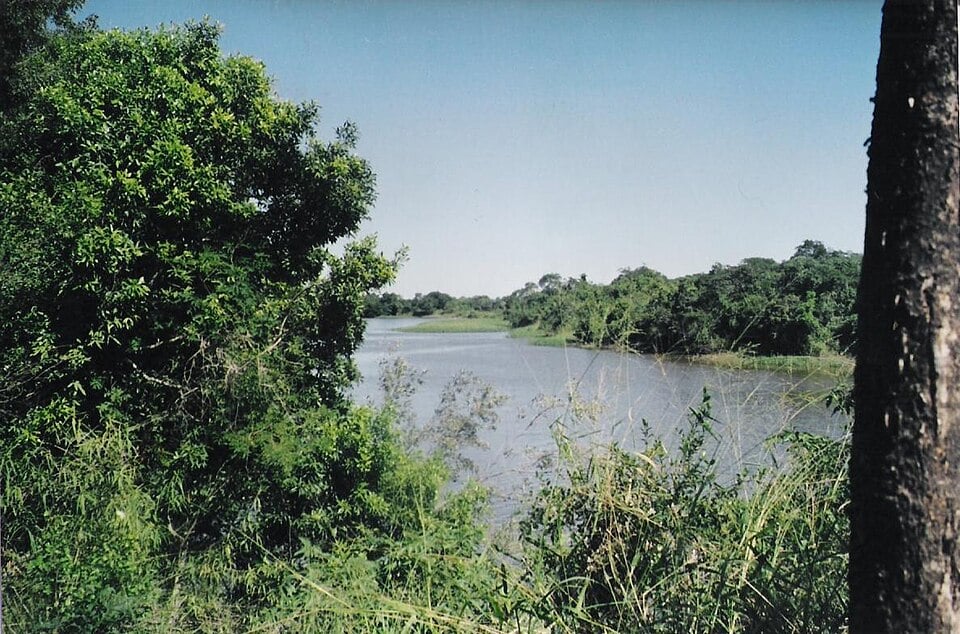
Gran Chaco & Northern Plains
Northern Argentina contains part of the Gran Chaco, a vast low-lying plain extending into Paraguay and Bolivia. The region is generally hot and includes dry forests, savanna, wetlands and broad river floodplains.
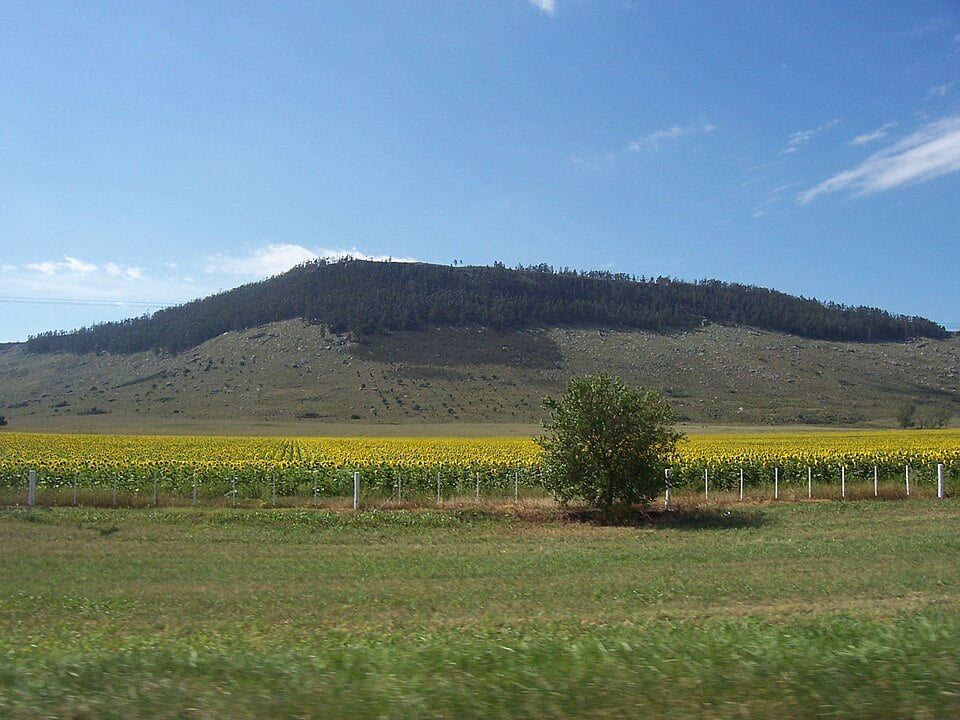
Pampas
The Pampas extend across much of central-eastern Argentina and consist of broad, mostly flat and fertile grasslands. They form the country’s main agricultural region and include Buenos Aires and many of Argentina’s other major population centres.
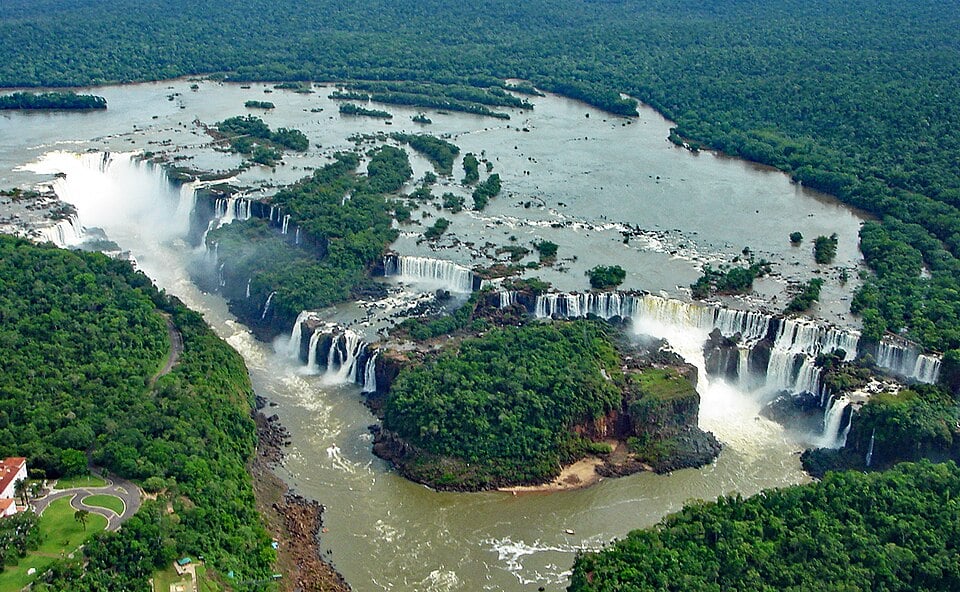
Mesopotamia, Rivers & Wetlands
Between the Paraná and Uruguay rivers lies the region known as Mesopotamia. This area in northeastern Argentina contains extensive wetlands and subtropical landscapes, including the Iberá Wetlands. The Paraná forms its western boundary and the Uruguay River its eastern boundary, while Iguazú Falls lies in the far northeast along the border with Brazil.
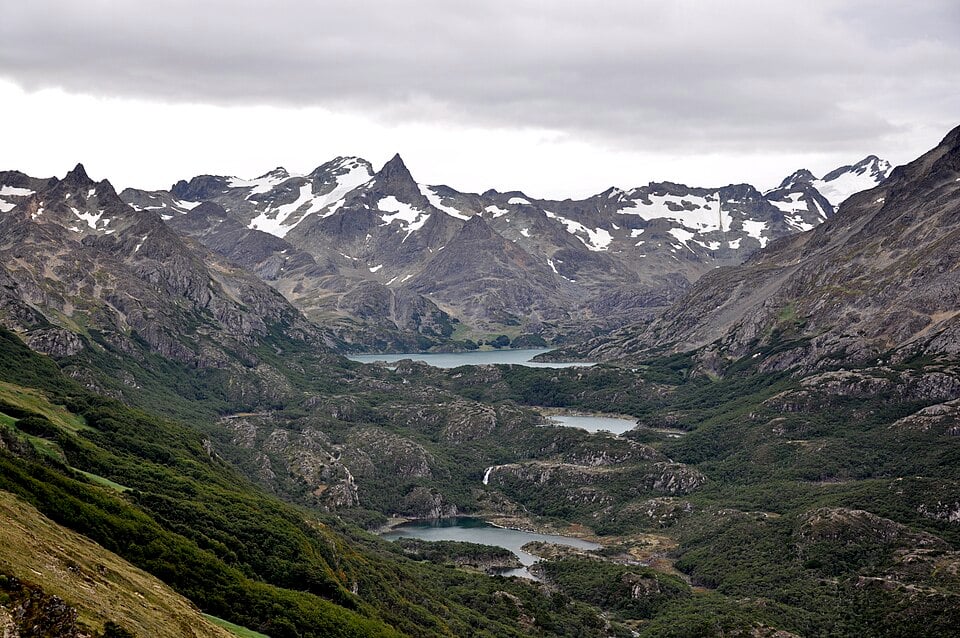
Patagonia & Southern Argentina
Southern Argentina is dominated by Patagonia, a vast, rugged geographical region shared with Chile. Much of the Argentine interior consists of dry, windswept plateaus and steppe, while the Andes rise along the western edge. The Southern Patagonian Ice Field, shared with Chile, feeds numerous glaciers along the southern Andes. Farther south lies the Argentine part of Tierra del Fuego, an archipelago of mountains, forests and windswept plains.
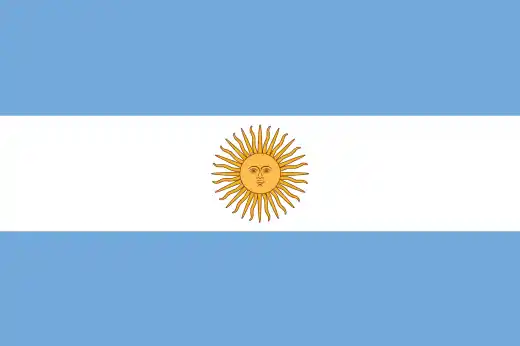
See article: Flag of Argentina
Argentina flag
Argentina’s flag was created in 1812 during the struggle for independence from Spain. It was first raised on February 27, 1812, in Rosario. Although the revolutionary government initially refused to approve it, the flag continued to be used by patriot forces.
After Argentina declared independence in 1816, the design was officially adopted, and the golden Sun of May was added in 1818.
Until 1985, civilians generally used the version without the Sun of May, while the sun-bearing flag was reserved for official use. A law passed that year allowed all Argentines to display the full national flag.
Image credits:
Argentina (centered orthographic projection): Dexxter, via Wikimedia Commons, licensed under CC BY 3.0.
Cono de Arita, Salta, Argentina: Ben Stubbs, via Wikimedia Commons, licensed under CC BY 2.0. Cropped.
View of the Black River near Resistencia, Chaco, Argentina: User Pertile in es.wikipedia, via Wikimedia Commons, licensed under CC BY-SA 2.5. Cropped.
A sunflower field near Balcarce, Buenos Aires Province: Leandro Kibisz (Loco085), via Wikimedia Commons, licensed under CC BY-SA 2.5.
Iguazú Falls, Mesopotamia: Mariordo (Mario Roberto Durán Ortiz), via Wikimedia Commons, licensed under CC BY-SA 4.0.
Tierra del Fuego National Park: Butterfly austral, via Wikimedia Commons, licensed under CC BY-SA 3.0.

Caitriona Maria is an education writer and owner of The Facts Institute. With seven years of teaching experience and a background in educational content, she specialises in creating clear reference resources about countries, geography and global topics.