A brief overview of the meaning, history, and key facts about the national flag of Ivory Coast.

Flag of Ivory Coast
The national flag of Ivory Coast consists of three equal vertical stripes of orange, white, and green. The orange stripe represents the fertile land of the country and the struggle of the Ivorian people for independence. The white stripe symbolizes peace and justice, while the green stripe represents hope and confidence in a better future for the nation.
Printable Ivory Coast Flag (PNG Download)
Interesting facts about Ivory Coast’s flag
1. The design was established by law on 3 December 1959 and later reaffirmed in the Constitution of the Republic of Côte d’Ivoire.
2. During the presentation of the flag to the Legislative Assembly, Minister of State Jean Delafosse described the national emblem as “the living symbol of the homeland.”
3. The vertical arrangement of the stripes resembles the layout of the French tricolor, although the colors were chosen to represent national symbolism.
4. During the debates, another proposal suggested replacing the orange stripe with red to symbolize the willingness to defend the new republic with blood, but this proposal was rejected.
5. The flag of Ivory Coast closely resembles the flag of Ireland, although the colors appear in reverse order.
Explore more about Ivory Coast:
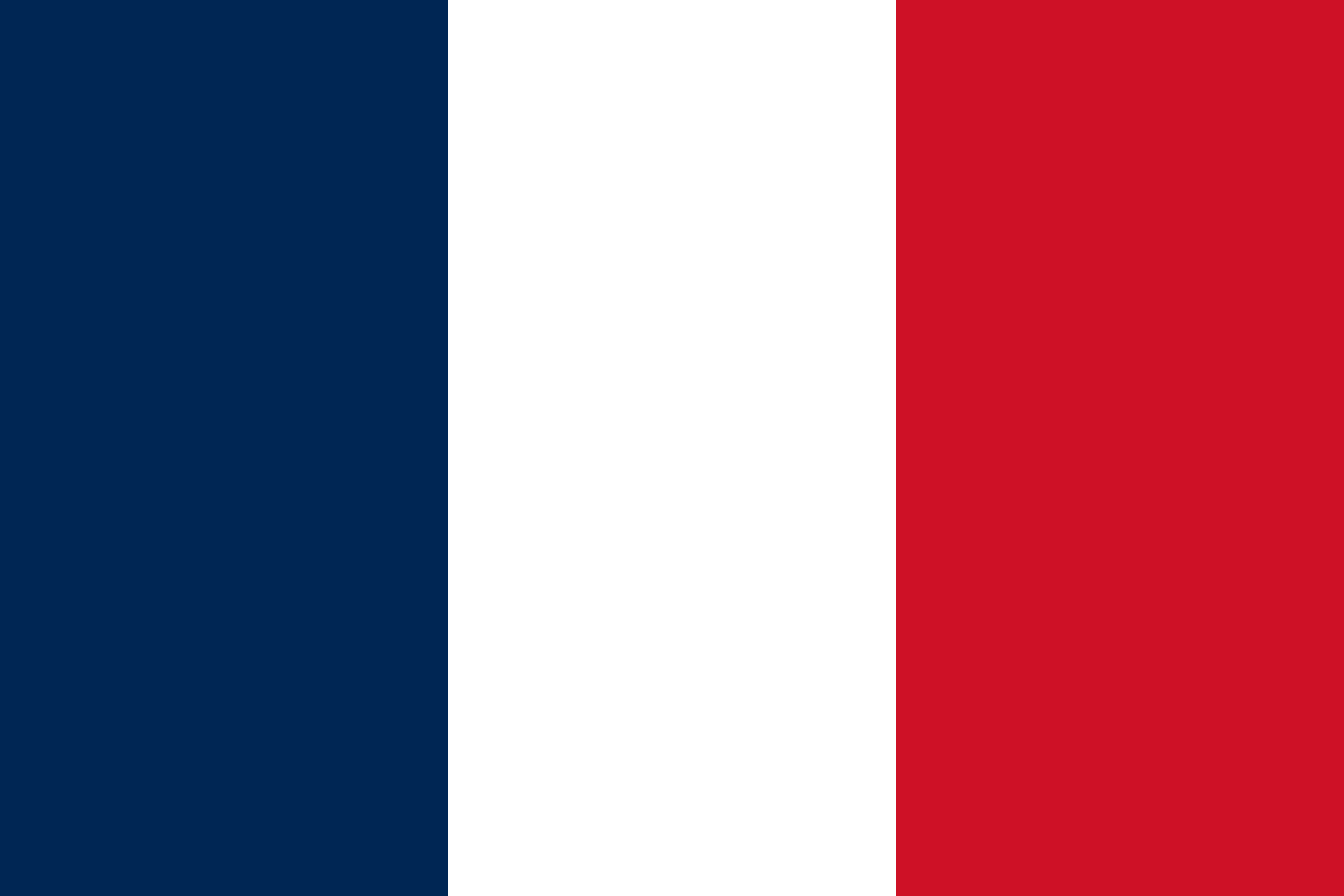
French colonial period (before 1959)
Before adopting its own national flag, the territory used the French tricolor during the colonial period.
History of Ivory Coast’s flag
Colonial period
Côte d’Ivoire became a French protectorate in 1844 and later a French colony in 1893. During this time the French national flag served as the official symbol of the territory.
In 1958, constitutional changes within France created the French Community, allowing several colonies to become autonomous republics and adopt their own national symbols.
Adoption of the national flag
In preparation for independence, the Ivorian Legislative Assembly adopted a new national flag by Law No. 59-240 on 3 December 1959.
The flag was defined as a vertical tricolor of orange, white, and green with stripes of equal width.
When Côte d’Ivoire achieved independence on 7 August 1960, the same flag was retained as the national flag of the new republic.
During the independence ceremony, the French flag was lowered and the new national flag of Côte d’Ivoire was raised.

Caitriona Maria is an education writer and owner of The Facts Institute. With seven years of teaching experience and a background in educational content, she specialises in creating clear reference resources about countries, geography and global topics.