South America’s population is estimated at approximately 438 million people, making it the fifth-most populous continent in the world.
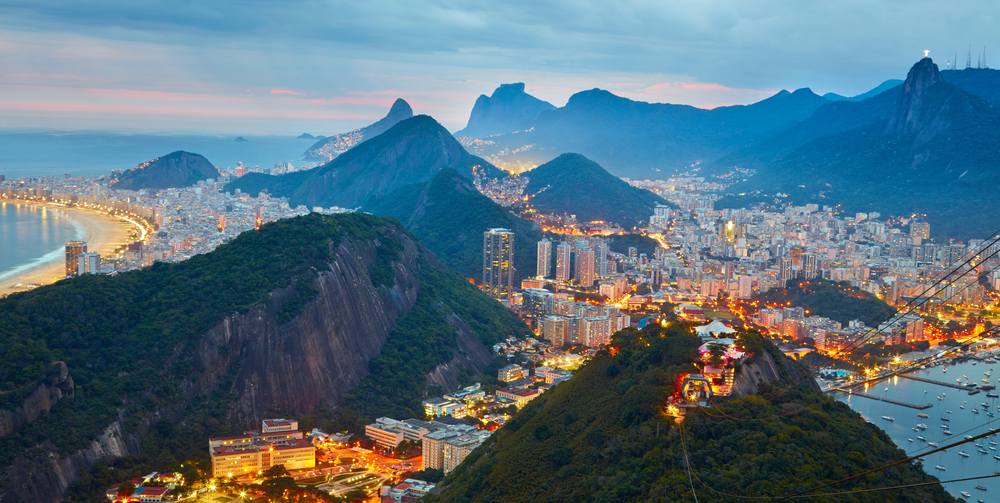
With a global population of about 8.23 billion, South America accounts for roughly 5% of the world’s population and is one of the more moderately growing world regions.
Total population of South America
- Estimated population: ~438,105,000 (2025 estimate)
- Share of world population: ~5%
- Population density: ~25 people per square kilometer
- Growth rate: ~0.6% per annum
South America’s population growth accelerated during the mid-to-late 20th century but has slowed in recent decades as birth rates have declined, with most countries below the replacement level.
Most populous countries in South America
A small number of countries account for the majority of South America’s population.
Brazil is by far the most populous country in the region and ranks among the ten most populous countries in the world.
Colombia is the second most populous country in South America, followed by Argentina, which remains one of the continent’s most highly urbanized nations.
Together, these three countries account for just over 70% of South America’s total population.
Least populous countries in South America
At the opposite end of the scale are several smaller countries and territories.
Suriname is the least populous sovereign country in South America, while Guyana and Uruguay also have relatively small populations by regional standards.
French Guiana, an overseas department of France, has a population well below one million.
South American population by country
The table below ranks South American countries and selected territories by total population, from largest to smallest.
Population figures are based on the most consistent international estimates from the World Urbanization Prospects 2025 report and may vary slightly between sources.
| South American ranking | Country | Population (Thousands) | World ranking |
|---|---|---|---|
| 1 | Brazil | 212,812 | 7 |
| 2 | Colombia | 53,426 | 28 |
| 3 | Argentina | 45,851 | 35 |
| 4 | Peru | 34,577 | 47 |
| 5 | Venezuela | 28,517 | 53 |
| 6 | Chile | 19,860 | 66 |
| 7 | Ecuador | 18,290 | 72 |
| 8 | Bolivia | 12,582 | 79 |
| 9 | Paraguay | 6,460 | 108 |
| 10 | Uruguay | 3,385 | 134 |
| 11 | Guyana | 836 | 166 |
| 12 | Suriname | 640 | 170 |
| 13 | French Guiana | 314 | 184 |
| 14 | Falkland Islands (Islas Malvinas) | 3 | 235 |
Population growth in South America
South America’s population growth rate is lower than Africa’s but broadly comparable to parts of Asia and higher than Europe’s.
Key factors shaping population growth in South America include:
- Declining fertility rates across most countries
- High levels of urbanization, with over 80% of the population living in cities
- Continued population growth in countries such as Colombia and Peru
- Slowing or negative growth in countries experiencing economic instability and emigration, such as Venezuela
Although population growth has slowed across much of the continent, South America’s population is still increasing overall and has a relatively young population structure.
Population density across South America
Despite its large land area, South America remains one of the least densely populated continents, with an average population density of around 25 people per square kilometer.
Population distribution is highly uneven: countries such as Colombia and Ecuador exceed 40–70 people per square kilometer, while Suriname and Guyana have densities below 5 people per square kilometer.
Vast interior regions, including the Amazon Basin and Patagonia, are extremely sparsely populated, while much of the continent’s population is concentrated in coastal and urban corridors, particularly along Brazil’s Atlantic coast and in major metropolitan areas.
South America in global population context
South America represents a relatively small share of the global population, with demographic trends that sit between faster-growing regions such as Africa and slower-growing regions such as Europe.
While population growth has slowed significantly since the late 20th century, South America’s large urban populations and relatively young age structure continue to shape regional economic and social dynamics.
For a broader perspective, see:

Caitriona Maria is an education writer and owner of The Facts Institute. With seven years of teaching experience and a background in educational content, she specialises in creating clear reference resources about countries, geography and global topics.