A ranked overview of the world’s continents by both total land area and population, based on the most consistent international geographic data.

Continents differ dramatically in physical size and number of inhabitants. Some continents cover vast areas with relatively few inhabitants, while others are smaller but densely populated.
This article follows the commonly used seven-continent model and compares continents based on two core metrics: land area and population.
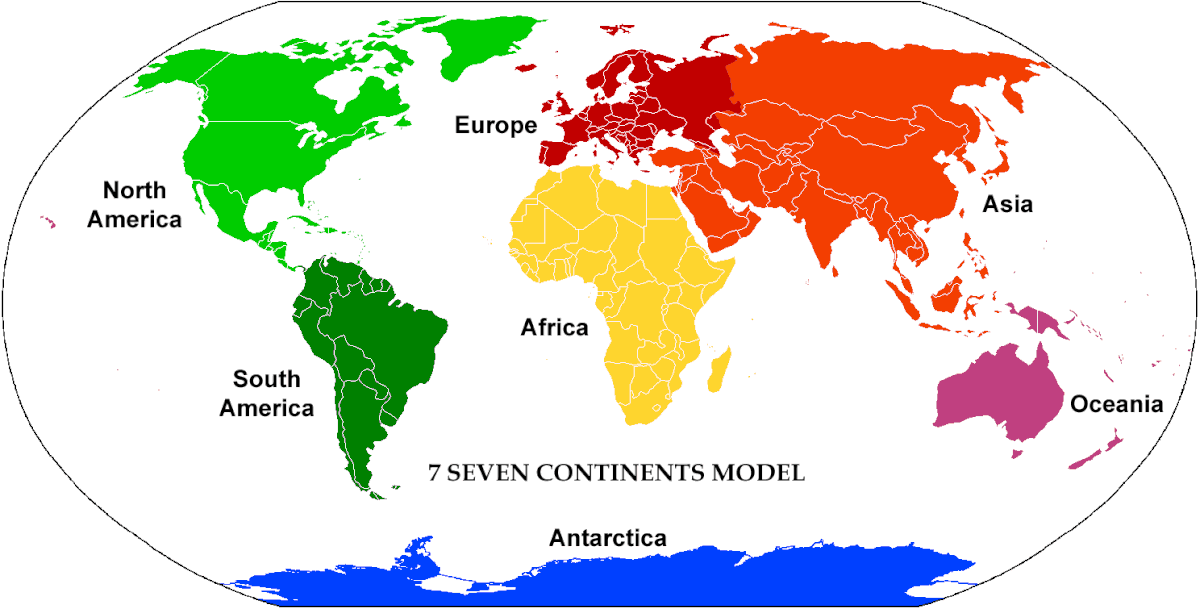
Largest continents in the world
When ranked by total land area, Asia is the largest continent in the world, accounting for roughly 30 percent of the Earth’s total land surface. It is also the most populous continent, ranking first in both size and population.
Africa ranks second by land area and is the second-largest continent by population. In addition to its physical size, Africa stands out for its rapid population growth, which is projected to significantly reshape global population patterns in the coming decades.
North America and South America follow as the third- and fourth-largest continents by area, respectively. While both contain vast landmasses, their populations are considerably smaller than those of Asia and Africa.
Antarctica is quite a large continent by land area but has no permanent population, with only temporary research personnel present seasonally. Europe, by contrast, is relatively small in terms of land area yet ranks third-highest by population.
Australia is the smallest continent by land area and also has one of the lowest population totals, with much of its population concentrated along coastal regions.
Ranking by land area
- Asia
- Africa
- North America
- South America
- Antarctica
- Europe
- Australia and Oceania
Ranking by population
- Asia
- Africa
- Europe
- North America
- South America
- Australia and Oceania
- Antarctica
| Continent | Total Land Area (Km²) | Total Land Area (sq mi) | Population (most recent estimate) | World Population Share | Share of Land |
|---|---|---|---|---|---|
| Africa | 30,365,000 | 11,724,000 | 1,549,868,000 | 18.8% | 20.2% |
| Antarctica | 14,200,000 | 5,500,000 | 0 | 0% | 9.5% |
| Asia | 44,614,000 | 17,226,200 | 4,835,320,000 | 58.8% | 29.7% |
| Australia and Oceania | 9,000,000 | 3,500,000 | 46,610,000 | 0.6% | 6.0% |
| Europe | 10,000,000 | 4,000,000 | 744,399,000 | 9% | 6.7% |
| North America | 24,230,000 | 9,355,000 | 617,311,000 | 7.5% | 16.1% |
| South America | 17,814,000 | 6,878,000 | 438,105,000 | 5.3% | 11.9% |
Note: Land area figures are approximate and based on commonly cited geographic estimates. Population figures are based on recent estimates from the United Nations. Values may vary slightly depending on definitions and sources.
Overview of each continent
Asia
Asia contains more than half of the world’s population and includes both the most densely populated regions on Earth and vast, sparsely inhabited areas
Russia is the largest country in Asia by land area, while India and China have the largest populations in the continent.
Asia’s large share of the world’s population means that changes in population growth and economic activity within the continent significantly influence global averages.
Africa
Africa combines a large land area with the youngest population profile of any continent.
Algeria is the largest country in Africa by land area, while Nigeria is the most populous.
Population growth in Africa is faster than in any other continent, shaping long-term global demographic trends.
North America
North America has a large land area but a comparatively smaller population than Asia or Africa.
This distribution creates a wide gap between total land area and average population density.
Canada is the largest country by land area, while the United States has the largest population in the continent.
South America
South America’s population is unevenly distributed and lower than average, with dense settlement along coasts and major cities.
Vast interior areas dominated by the Amazon rainforest and the Andes Mountains remain sparsely populated.
Brazil is both the largest country by land area and the most populous.
Antarctica
Antarctica has no permanent residents and is governed through international agreements rather than national sovereignty.
Human activity on the continent is limited almost entirely to scientific research and seasonal operations.
Europe
Europe is relatively small by land area and has a population density below the global average.
Russia is the largest country by land area in Europe, while Germany is the most populous country fully within the continent.
Australia and Oceania
Australia is the smallest continent by land area and has a relatively low population.
As a country, Australia is is the largest in the Oceania region. Other sovereign states include New Zealand, Papua New Guinea, and several Pacific island nations.
The majority of Australians live in a small number of major metropolitan regions along the eastern, southeastern, and southwestern coasts.

Caitriona Maria is an education writer and owner of The Facts Institute. With seven years of teaching experience and a background in educational content, she specialises in creating clear reference resources about countries, geography and global topics.