Africa’s population is estimated at about 1.55 billion people, making it the second‑most populous continent in the world, after Asia.
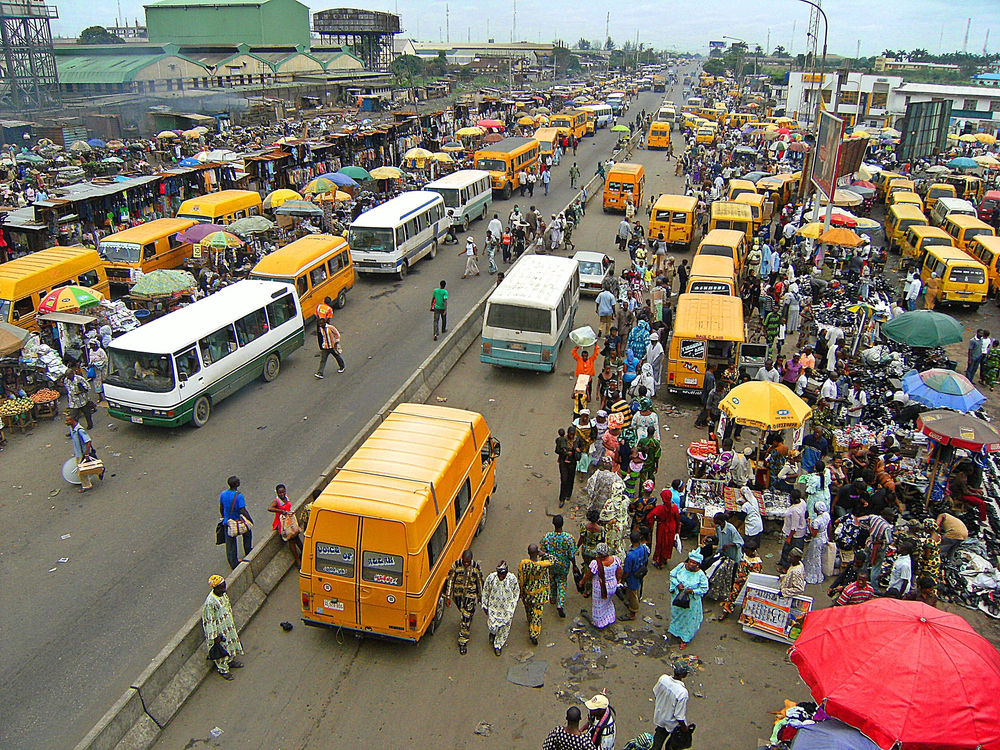
With a current world population of 8.23 billion, Africa accounts for almost one fifth of the global population and is currently the fastest-growing major world region.
Total population of Africa
- Estimated population: 1,549,868,000 (2025 estimate)
- Share of world population: ~19%
- Population density: ~52 people per square kilometer
- Growth rate: 2.6% per annum
Africa’s population has more than doubled since the late 20th century and is projected to continue rising rapidly over the coming decades.
It is expected to reach 2.5 billion by 2050, at which point more than one in four people worldwide will be African, according to the United Nations Economic Commission for Africa.
Most populous countries in Africa
A small number of countries account for a large share of Africa’s total population.
- Nigeria is the most populous country in Africa and among the most populous countries globally.
- Ethiopia ranks second and has experienced rapid population growth in recent decades.
- Egypt ranks third and is the most populous country in North Africa.
- DR Congo and Tanzania complete the top five.
Together, these five countries have a combined population of approximately 675 million people, accounting for about 44% of Africa’s total population.
Least populous countries in Africa
At the opposite end of the scale are several small island nations and territories.
- Seychelles is Africa’s least populous sovereign country.
- São Tomé and Príncipe and Cabo Verde (Cape Verde) also have relatively small populations.
- Several non‑sovereign territories have populations well below one million.
Africa population by country
The table below ranks African countries and selected territories by total population, from largest to smallest.
Population figures are based on the most consistent international estimates from the World Urbanization Prospects 2025 report and may vary slightly between sources.
| Africa ranking | Country | Population (Thousands) | World ranking |
|---|---|---|---|
| 1 | Nigeria | 237,528 | 6 |
| 2 | Ethiopia | 135,472 | 10 |
| 3 | Egypt | 118,366 | 13 |
| 4 | Congo, Democratic Republic of | 112,832 | 15 |
| 5 | Tanzania | 70,546 | 21 |
| 6 | South Africa | 64,747 | 24 |
| 7 | Kenya | 57,532 | 26 |
| 8 | Sudan | 51,662 | 30 |
| 9 | Uganda | 51,385 | 31 |
| 10 | Algeria | 47,435 | 33 |
| 11 | Angola | 39,040 | 39 |
| 12 | Morocco | 38,431 | 41 |
| 13 | Mozambique | 35,632 | 45 |
| 14 | Ghana | 35,064 | 46 |
| 15 | Madagascar | 32,741 | 49 |
| 16 | Côte d’Ivoire | 32,712 | 50 |
| 17 | Cameroon | 29,879 | 51 |
| 18 | Niger | 27,918 | 54 |
| 19 | Mali | 25,199 | 58 |
| 20 | Burkina Faso | 24,075 | 59 |
| 21 | Malawi | 22,216 | 62 |
| 22 | Zambia | 21,914 | 63 |
| 23 | Chad | 21,004 | 64 |
| 24 | Somalia | 19,655 | 67 |
| 25 | Senegal | 18,932 | 68 |
| 26 | Zimbabwe | 16,951 | 74 |
| 27 | Guinea | 15,100 | 75 |
| 28 | Benin | 14,814 | 76 |
| 29 | Rwanda | 14,569 | 77 |
| 30 | Burundi | 14,390 | 78 |
| 31 | Tunisia | 12,349 | 80 |
| 32 | South Sudan | 12,189 | 81 |
| 33 | Togo | 9,722 | 96 |
| 34 | Sierra Leone | 8,820 | 102 |
| 35 | Libya | 7,459 | 105 |
| 36 | Congo, Republic of | 6,484 | 112 |
| 37 | Liberia | 5,731 | 117 |
| 38 | Central African Republic | 5,513 | 121 |
| 39 | Mauritania | 5,315 | 124 |
| 40 | Eritrea | 3,607 | 132 |
| 41 | Namibia | 3,093 | 138 |
| 42 | Gambia, The | 2,822 | 143 |
| 43 | Gabon | 2,593 | 145 |
| 44 | Botswana | 2,562 | 146 |
| 45 | Lesotho | 2,363 | 147 |
| 46 | Guinea-Bissau | 2,250 | 148 |
| 47 | Equatorial Guinea | 1,938 | 150 |
| 48 | Mauritius | 1,268 | 159 |
| 49 | Eswatini | 1,256 | 160 |
| 50 | Djibouti | 1,184 | 161 |
| 51 | Comoros | 883 | 163 |
| 52 | Réunion | 882 | 164 |
| 53 | Western Sahara | 601 | 172 |
| 54 | Cabo Verde | 527 | 175 |
| 55 | Mayotte | 337 | 182 |
| 56 | Sao Tome and Principe | 240 | 188 |
| 57 | Seychelles | 133 | 194 |
| 58 | Saint Helena | 5 | 232 |
Population growth in Africa
Africa has the highest population growth rate of any continent.
Key factors contributing to growth include:
- High fertility rates in many countries
- A young population structure
- Declining infant mortality in some regions
According to Pew Research, more than half of global population growth this century is projected to come from just six countries, five of which are in Africa.
Nigeria, the Democratic Republic of the Congo, Tanzania, Ethiopia, and Angola are expected to drive most of this increase, alongside Pakistan.
By 2100, five African countries are projected to be among the world’s 10 most populous.
Population density across Africa
Despite its large population, Africa remains less densely populated than Asia and the European Union on average.
Population density varies widely:
- Very high densities in countries such as Rwanda and Burundi, at roughly 500 inhabitants per square kilometer.
- Extremely low densities in countries such as Namibia, Libya, and Mauritania, at roughly three to five persons per square kilometer.
Large areas of Africa remain sparsely populated due to desert regions, climate, and geography.
Regions of Africa by population
Africa is commonly divided into several major regions, each with distinct population patterns:
- West Africa – Home to Nigeria and several rapidly growing countries
- East Africa – Among the fastest‑growing regions globally
- North Africa – More urbanized, with slower growth rates
- Middle (Central) Africa – Lower population density but high growth potential
- Southern Africa – Slower growth and higher urbanization

| Region | Population (millions) |
|---|---|
| Eastern Africa | 512.3 |
| Western Africa | 466.5 |
| Northern Africa | 276.3 |
| Middle Africa | 219.5 |
| Southern Africa | 74.0 |
Africa in global population context
Africa has the youngest population on average and is expected to be the largest source of global population growth in the decades ahead.
While population size alone does not directly measure economic output or development, it remains a critical demographic indicator for global comparisons.
For a broader perspective, see:

Caitriona Maria is an education writer and owner of The Facts Institute. With seven years of teaching experience and a background in educational content, she specialises in creating clear reference resources about countries, geography and global topics.