A brief overview of the meaning, history, and key facts about the national flag of Cyprus.
Flag of Cyprus
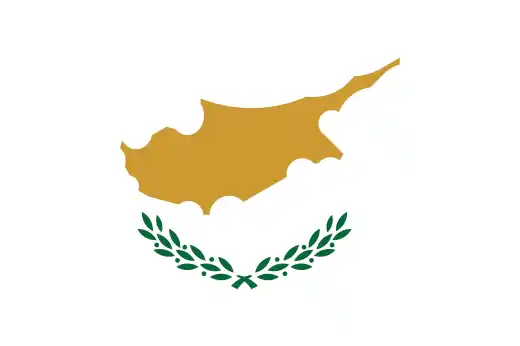
The national flag of Cyprus features a white background with a copper-colored silhouette of the island of Cyprus at the center. Beneath the map are two crossed olive branches in green, symbolizing peace. The copper color has a double meaning. It reflects the origin of the island’s name, which is believed to be connected to an ancient word for copper, and it also refers to Cyprus’ long historical association with copper production since ancient times.
Printable Cyprus Flag (PNG Download)
Interesting facts about Cyprus’ flag
1. The national flag of Cyprus was officially adopted on 16 August 1960, the day the country became an independent republic.
2. The flag was designed by İsmet Güney, a Turkish Cypriot artist and teacher whose proposal was selected by the country’s leadership.
3. The design deliberately avoids traditional symbols associated with Greece or Turkey, such as the cross, crescent, blue, or red, in order to maintain a politically neutral appearance.
4. Cyprus is one of only two countries that display the map of the country on the national flag. The other is Kosovo.
5. The two olive branches beneath the map are commonly interpreted as a symbol of peace between the Greek and Turkish Cypriot communities.
Explore more about Cyprus:
Evolution of Cyprus’ flag
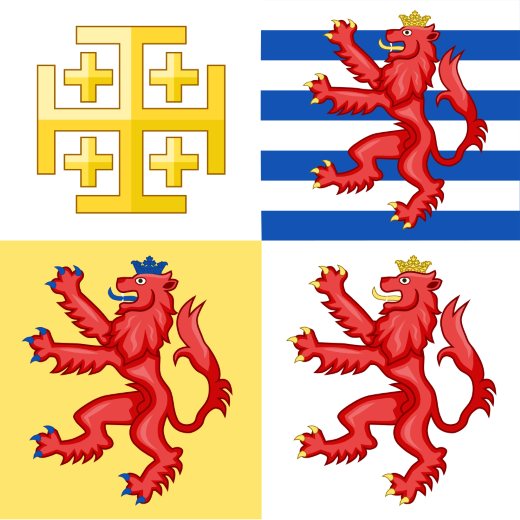
Kingdom of Cyprus (medieval period)
Various flags were used during the medieval Kingdom of Cyprus, often reflecting the heraldry of ruling dynasties.
ZuppaDiCarlo, CC BY-SA 4.0, via Wikimedia Commons
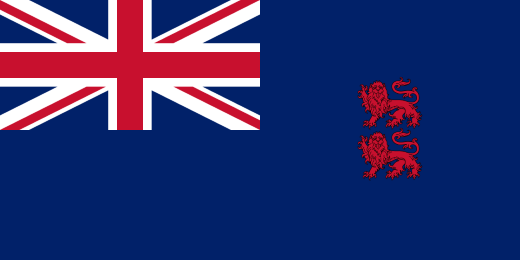
Cyprus under British colonial rule (1881–1960)
Cyprus used a British Blue Ensign featuring the Union Jack in the canton and a colonial badge representing the island.
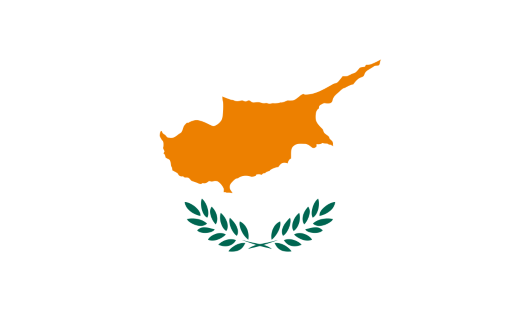
Republic of Cyprus (1960–2006)
After independence, Cyprus adopted a new national flag featuring the copper-colored map of the island and two olive branches on a white background.
History of Cyprus’ flag
Colonial flags before independence
Before independence, Cyprus used flags associated with British colonial administration. These followed the common pattern used across the British Empire, with the Union Jack in the canton and a local emblem.
Creation of the national flag
When Cyprus gained independence in 1960, a new national flag was required under the constitution. The constitution specified that the design should be politically neutral, meaning it could not include symbols or colors associated with either Greece or Turkey.
A design competition was held, and the proposal by Turkish Cypriot artist İsmet Güney was selected by President Archbishop Makarios III and Vice-President Fazıl Küçük.
The final design features a copper-colored map of the island, reflecting Cyprus’s long historical association with copper mining. Two olive branches appear beneath the map, symbolizing peace.
Later standardization of the flag
Although the design remained unchanged for decades, the official specifications of the flag were clarified in 2006.
The proportions were adjusted and the colors and shapes of the map and olive branches were standardized to ensure consistency in official flag production.

Caitriona Maria is an education writer and owner of The Facts Institute. With seven years of teaching experience and a background in educational content, she specialises in creating clear reference resources about countries, geography and global topics.