Across Asian nations, flags are used to share stories of struggle, freedom and culture. Many feature the familiar pan-Arab colors of black, white, green and red, while others stand out for bold symbols or unique designs such as Bhutan’s dragon or Nepal’s distinctive double-triangle shape.
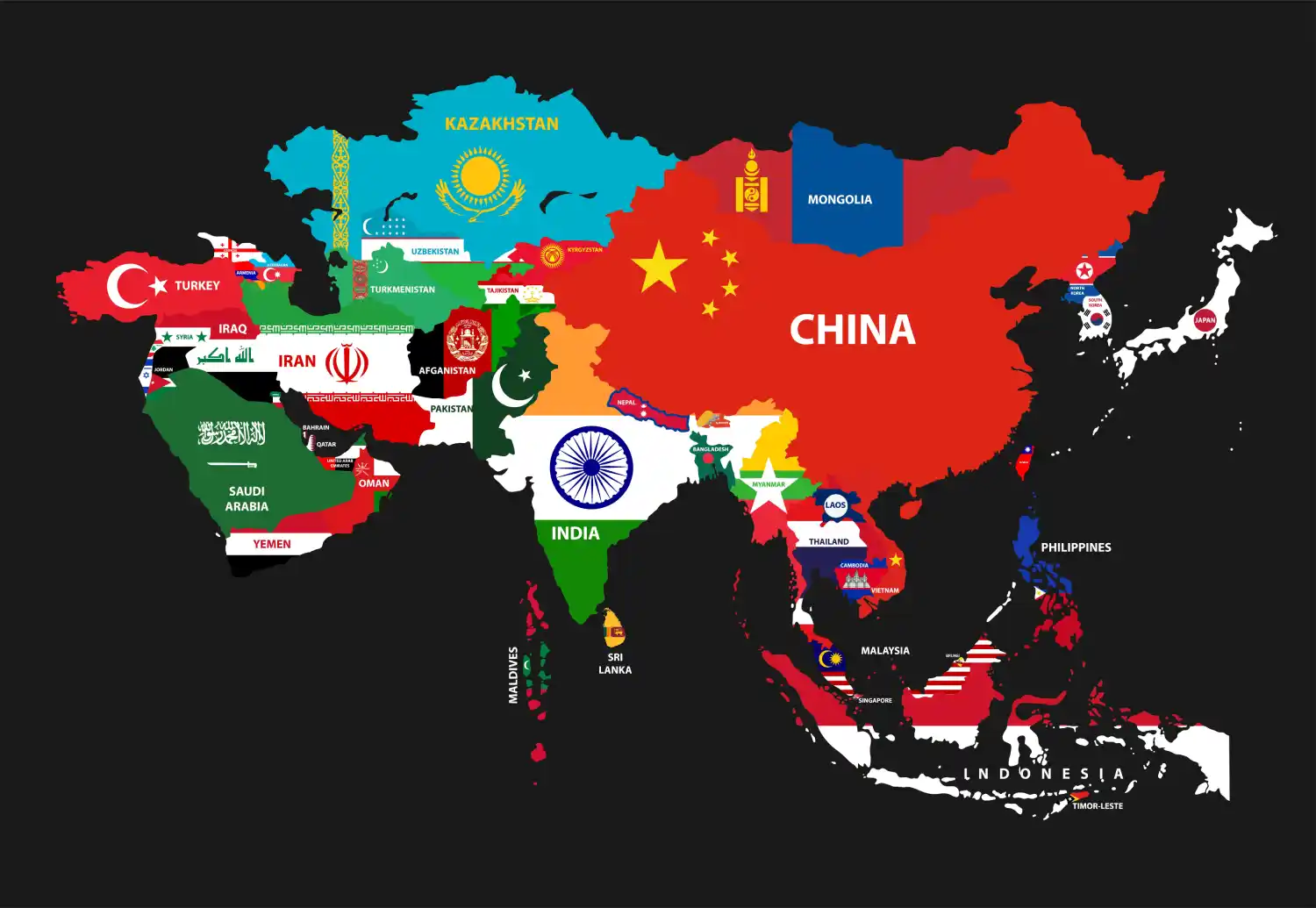
Asian flags by country
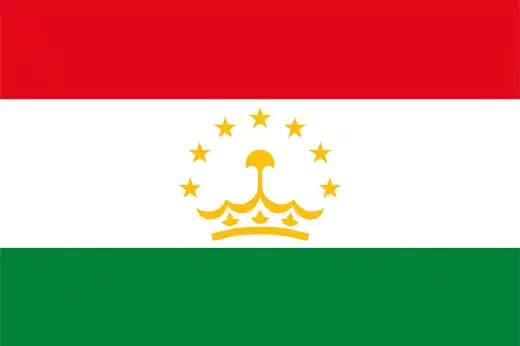
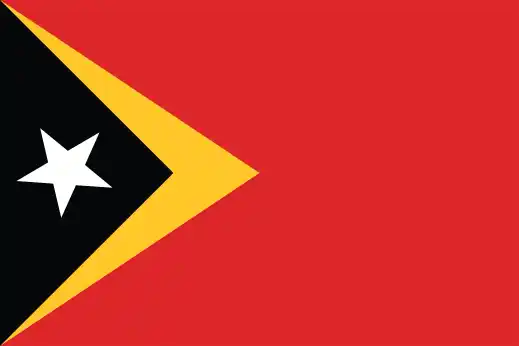
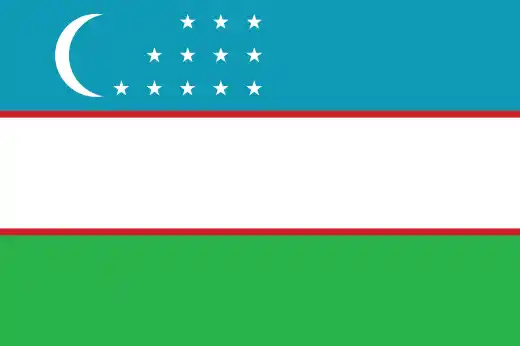
Curious about the colors, symbols, and designs that represent Asia’s diverse nations? Below are the 50 national flags of Asia.
When you are finished learning, be sure to take our Asian flag quiz to see how many you can recognize.
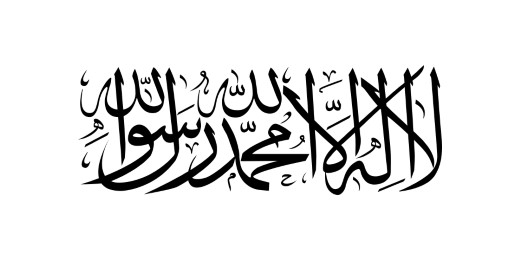
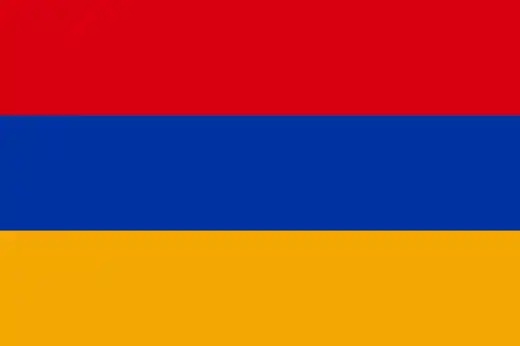
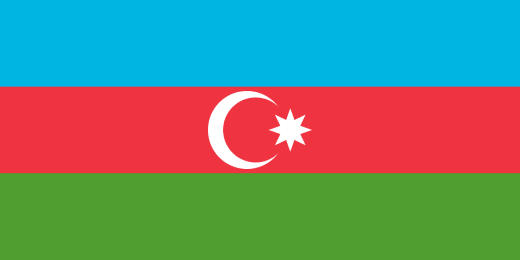
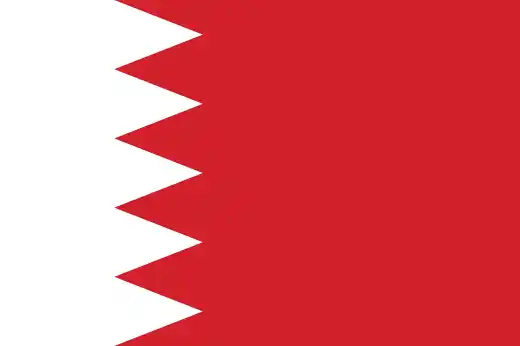


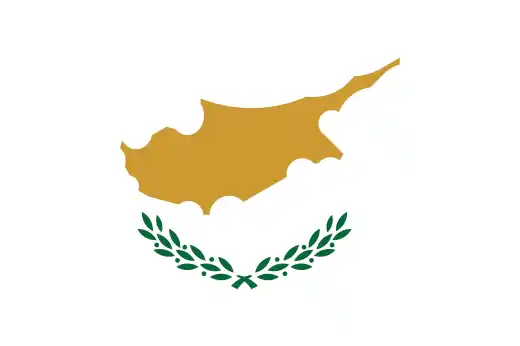



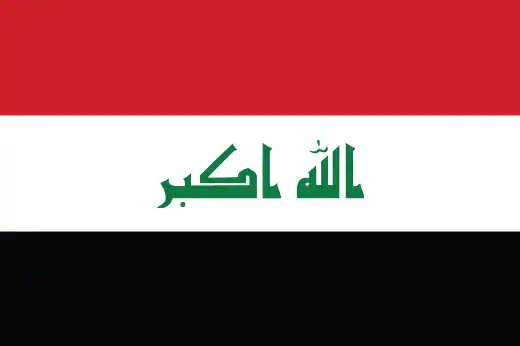

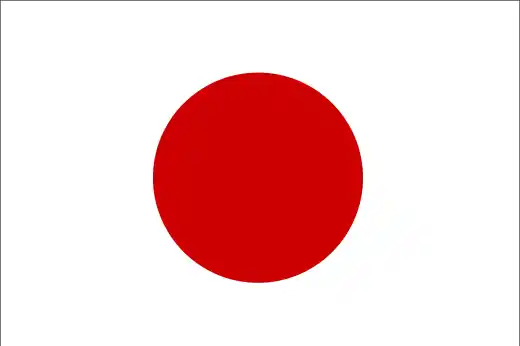


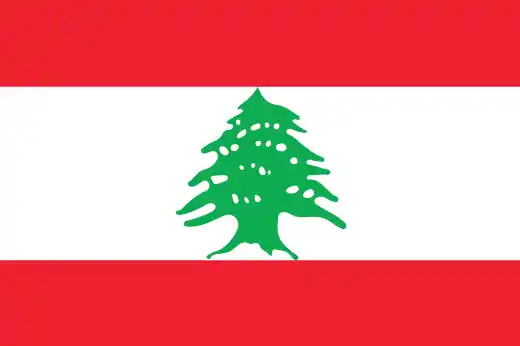

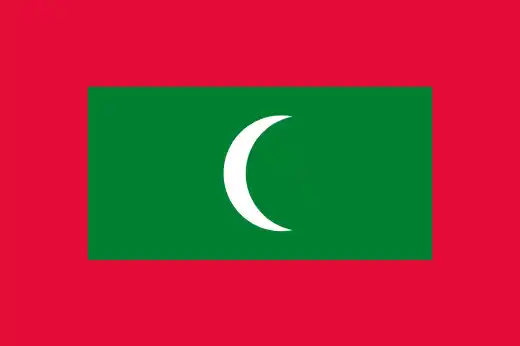





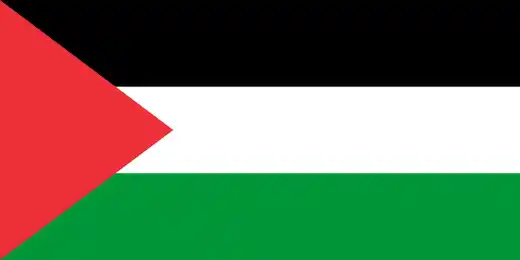




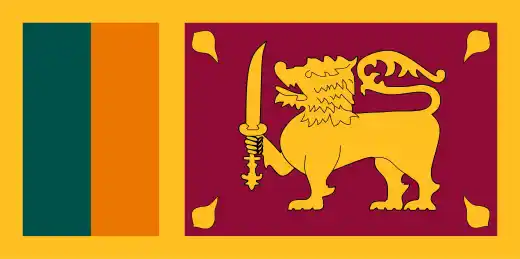






See next: Country flag names worldwide.
Countries in more than one continent
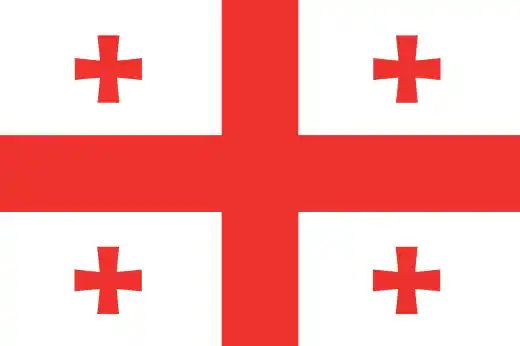
Several countries are geographically located in both Europe and Asia.
These include Azerbaijan, Georgia, Kazakhstan, Russia and Türkiye.

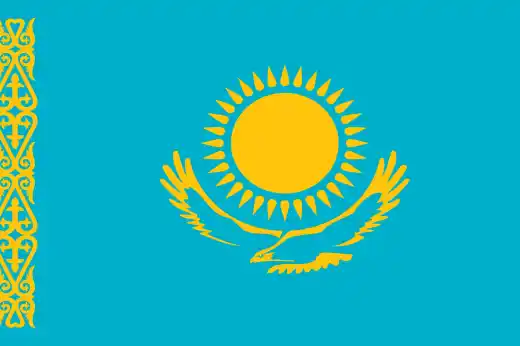

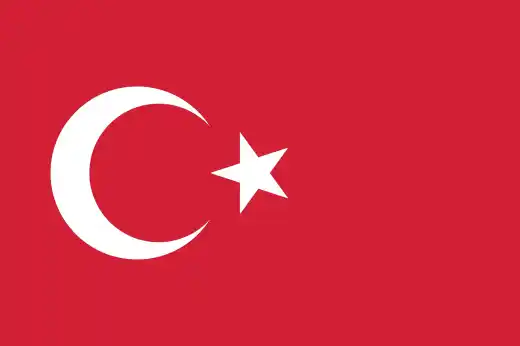
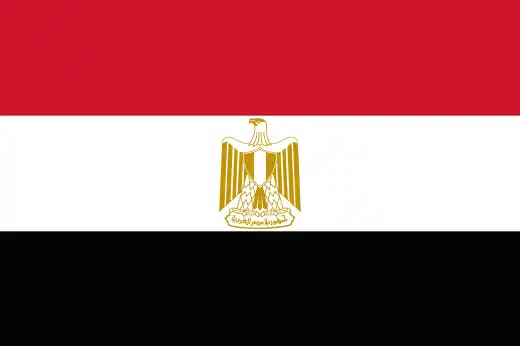
Egypt is also located in both Africa and Asia, although most of its territory and population are located in Africa.
Outliers
Depending on the source, some lists include 51 Asian countries. This is because Taiwan operates as a self-governing state but its political status remains disputed internationally.

The ASEAN flag
The Association of Southeast Asian Nations (ASEAN) promotes economic cooperation and regional stability across Southeast Asia.
The organization has 10 member states: Brunei, Cambodia, Indonesia, Laos, Malaysia, Myanmar, the Philippines, Singapore, Thailand and Vietnam.

Tips for learning the Asian flags
Learning the flags of Asia can feel overwhelming at first, but many follow patterns that make them easier to remember once you know what to look for.
1. Memorize symbols and unique patterns
Many Asian flags feature distinctive symbols tied to national identity.
- Japan: A single red circle, denoting its nickname “Land of the Rising Sun.”
- South Korea: The Taegeuk symbol (yin-yang) in the center, with trigrams in each corner that represent natural elements.
- Bhutan: A dragon holding jewels on a yellow and orange flag, symbolizing purity and loyalty.
2. Use mnemonics
Associating flags with memorable imagery can help recall them more easily.
- Japan: Think of a rising sun over Mt. Fuji.
- Philippines: The three stars representing the country’s three main island groups.
- Malaysia: Picture the stripes representing unity among Malaysia’s states.
3. Learn by grouping regions
Breaking Asia into regions can make memorization easier.
- East Asia: includes China, Japan, Mongolia, North Korea and South Korea.
- Southeast Asia: Brunei, Cambodia, Indonesia, Laos, Malaysia, Myanmar, the Philippines, Singapore, Thailand, Timor-Leste and Vietnam.
- South Asia: Afghanistan, Bangladesh, Bhutan, India, Iran, Maldives, Nepal, Pakistan and Sri Lanka.
- Middle East: includes Bahrain, Iran, Iraq, Israel, Jordan, Kuwait, Lebanon, Oman, Qatar, Saudi Arabia, Syria, the United Arab Emirates and Yemen.
4. Connect flags with landmarks or cultural clues
Associating flags with national landmarks or cultural aspects can create mental links:
- India: Picture the tuk-tuks or scooters to remember the Ashoka Chakra wheel.
- Sri Lanka: Imagine a golden lion holding a sword.
- Thailand: Think of the elephant when picturing the red, white, and blue striped flag.
5. Utilize online quizzes and other tools
Online quizzes and flag charts are some of the fastest ways to learn the flags through repetition.
You can also download our blank Asia map and challenge yourself to place the correct flags on each country.
Test your knowledge of world flags
Once you’ve learned the Asian flags, why not keep going? Test yourself with the European flags or African flags next, or circle back to North American flags. Each continent has its own unique history and symbolism reflected in its flag designs.

Caitriona Maria is an education writer and owner of The Facts Institute. With seven years of teaching experience and a background in educational content, she specialises in creating clear reference resources about countries, geography and global topics.