Across the Caribbean, flags reflect the region’s colonial history, cultural diversity and island identities. Some feature bold tropical colors and stars, while others include symbols linked to European heritage, independence movements or the Caribbean Sea.
Take Jamaica’s black, green and gold design, one of the most distinctive national flags in the world. Or Cuba’s blue-and-white striped flag with its red triangle and lone star, inspired by independence and liberty.

Caribbean flags by country
Curious about the colors, symbols and designs that represent the Caribbean’s diverse islands? Below are the flags of Caribbean countries and territories across the Greater Antilles and Lesser Antilles.
When you are finished, be sure to check out the North American flags and South American country flags next.


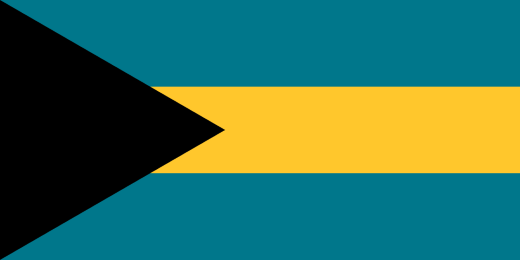

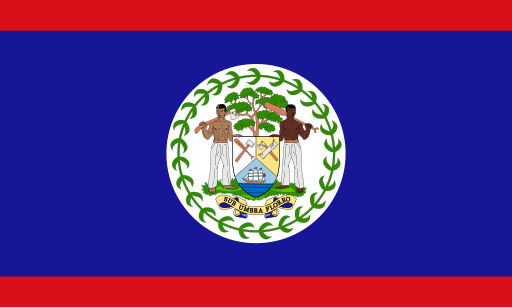


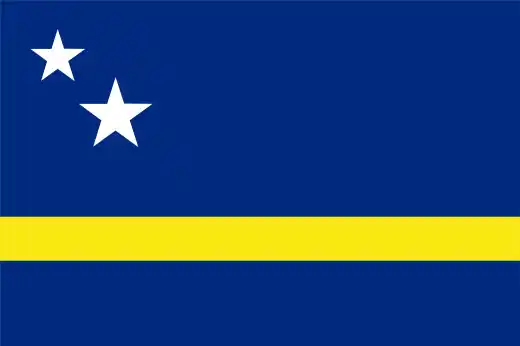


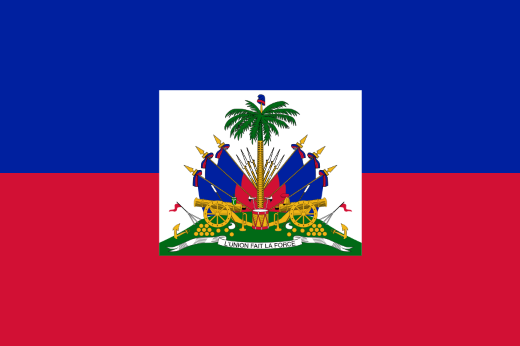

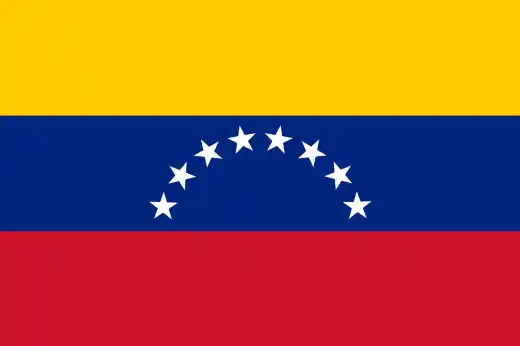


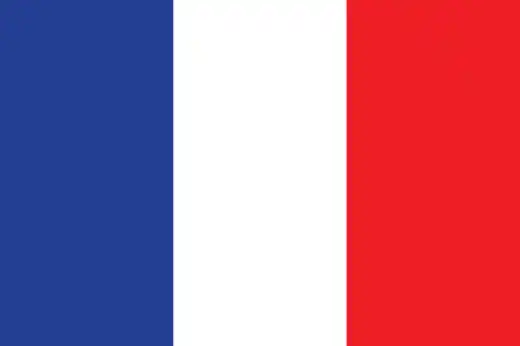


Note: Some Caribbean territories use unofficial regional flags or locally recognized designs alongside official national flags.
Distinctive features of Caribbean flags
The Caribbean has one of the most diverse mixes of flag styles in the world.
Colonial heritage
A number of territories, like the Cayman Islands and Turks and Caicos Islands, use the British Blue Ensign with the Union Jack.
Many also include local coats of arms or island symbols.
Bold national symbols
Jamaica’s flag is one of the few national flags without red, white or blue. Dominica features the sisserou parrot, a bird native to the island, while Saint Lucia’s twin triangles symbolize the volcanic Piton mountains.
Shared historical influences
Cuba and Puerto Rico have similar flag designs with stripes, triangles and a single star.
The Puerto Rican flag was inspired by the Cuban flag during the 19th-century independence movements against Spanish rule.
Bright tropical colors
Many Caribbean flags feature vibrant blues, yellows, greens and reds inspired by the sea, sunshine, tropical landscapes and cultural traditions of the islands.
Tips for learning the Caribbean flags
With so many small islands and territories, it’s easy to mix them up. Here are some practical approaches:
Start with the iconic ones
Jamaica, Cuba, Dominican Republic and Trinidad and Tobago are among the most recognizable. Learn these first.
Group by colonial influence
British Overseas Territories often share the Union Jack and blue field. French and Dutch territories sometimes use regional flags that are unofficial but locally popular.
Connect symbols to geography
Saint Lucia’s triangles represent the Pitons, Antigua and Barbuda’s rising sun symbolizes a new beginning, and Dominica’s parrot reflects the island’s wildlife.
Use a blank Caribbean map
Using a blank Caribbean map can help you connect each flag to its island location while improving your geography skills at the same time.
Utilize quizzes and flashcards
Online quizzes and flashcards are one of the fastest ways to learn Caribbean flags through repetition and active recall.
Take our online flag quiz to see how many you can identify correctly.
Test your knowledge of world flags
Once you’ve learned the Caribbean flags, continue exploring the Central American flags, South American flags or all world flags to expand your global geography knowledge.
For an even bigger challenge, learn all 198 country flags of the world.

Caitriona Maria is an education writer and owner of The Facts Institute. With seven years of teaching experience and a background in educational content, she specialises in creating clear reference resources about countries, geography and global topics.