Latin America is a region of the Americas where Romance languages such as Spanish and Portuguese are predominantly spoken. It includes much of South America, Central America, Mexico and parts of the Caribbean.
Latin American flags are visual records of the region’s political change and cultural identity. Many designs trace back to independence movements of the 19th century, incorporating colors that represent liberty, sacrifice and the natural wealth of the land.
Latin American flags by country
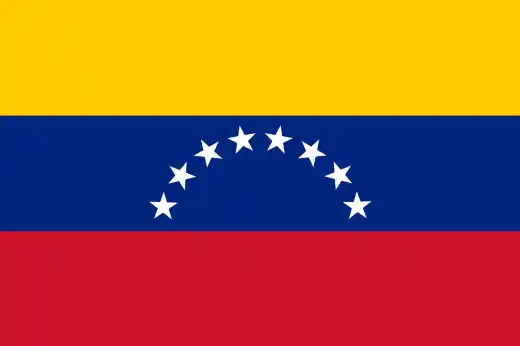
There are 20 sovereign countries commonly considered part of Latin America. Curious about the colors, symbols, and designs that represent the region’s diverse nations? Below are the 20 national flags of Latin America.
When you are finished learning, be sure to check out the North American flags and take the American flag quiz to test your knowledge.
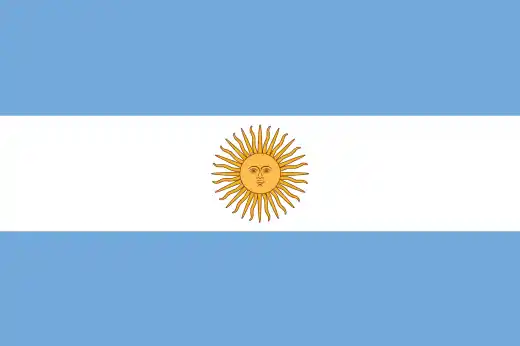
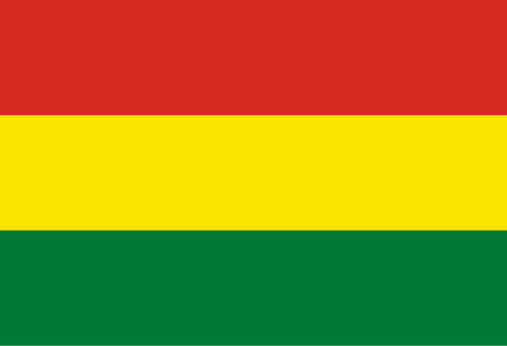


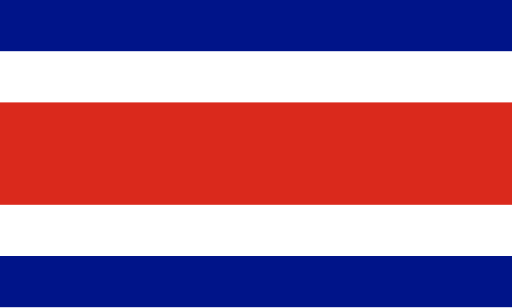


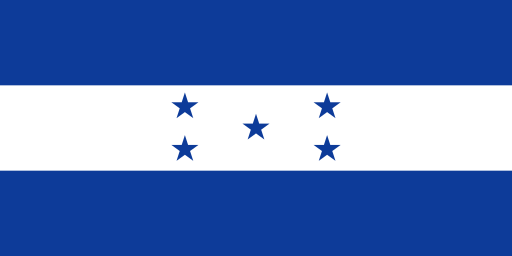

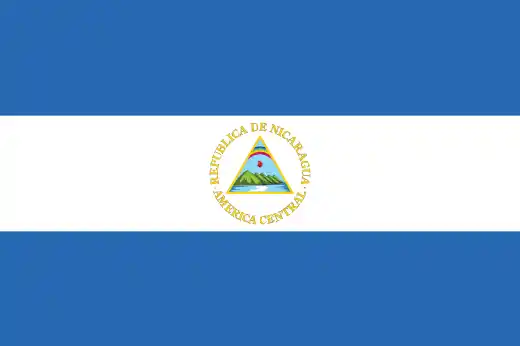
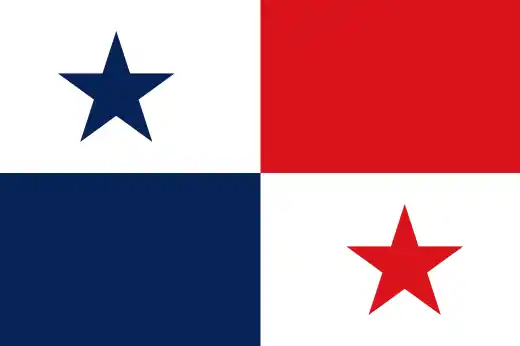

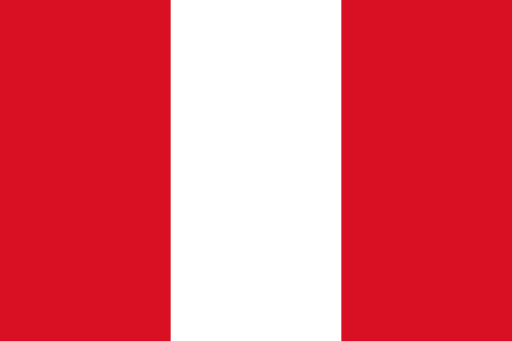
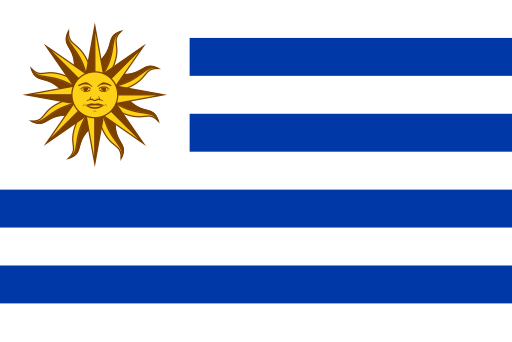
Puerto Rico is not a sovereign country, but it is widely considered part of Latin America because of its Spanish language, history and cultural identity.

French-speaking territories in Latin America
French-speaking countries, regions, and islands in the Americas are sometimes considered part of Latin America, since French is technically a Romance language derived from Latin.
However, most people associate Latin America mainly with Spanish- and Portuguese-speaking nations.
The following territories are not independent nations but are often referred to as part of “French America.”
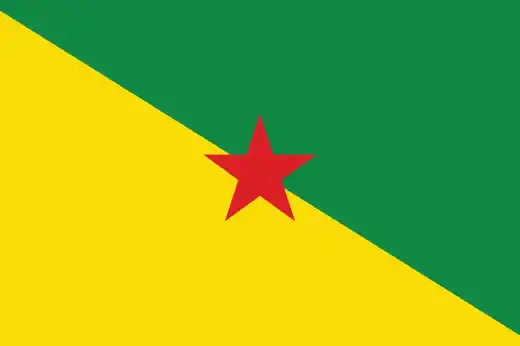



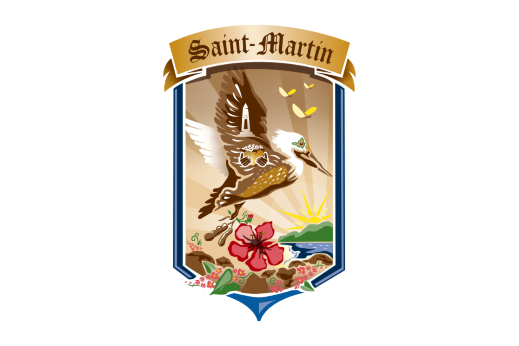
Note: Several of these territories use unofficial regional flags rather than formally adopted national flags.
Map of Latin American flags
The map shows how closely connected Latin American countries are. Many flags share similar colors and layouts because of their common colonial past, but each nation’s design adds its own story of independence and identity.

Tips for learning the Latin American flags
Group similar flags together
Many Latin American countries use similar color schemes. Grouping flags with shared colors or layouts can make them easier to memorize.
Memorize unique symbols
Mexico’s eagle and snake, Brazil’s celestial globe and Argentina’s Sun of May are all distinctive visual features.
Practice with a blank map
Using a blank map of the region can help connect each flag to its country while improving geography skills at the same time.
Utilize quizzes and flashcards
Online quizzes and flashcards are one of the fastest ways to learn Latin American flags through repetition and active recall.
Take our American flag quiz and see how many you can identify correctly.
Test your knowledge of world flags
Once you’ve learned the Latin American flags, continue exploring the Caribbean flags, South American flags or all world flags to expand your geography knowledge.
See next: Country flag names around the world.

Caitriona Maria is an education writer and owner of The Facts Institute. With seven years of teaching experience and a background in educational content, she specialises in creating clear reference resources about countries, geography and global topics.