Across Europe, flags reflect centuries of history, cultural traditions and national identity. Many feature bold tricolors, crosses and coats of arms, while others include distinctive symbols linked to religion, monarchy or regional heritage.
Take Switzerland’s square red-and-white flag, one of the few national flags in the world that is square-shaped. Or the Nordic countries, whose flags share the Scandinavian cross linked to Christianity.

European flags by country
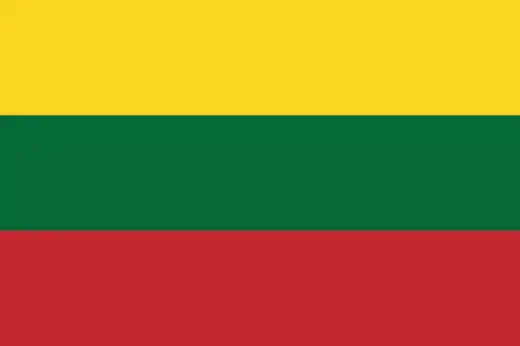
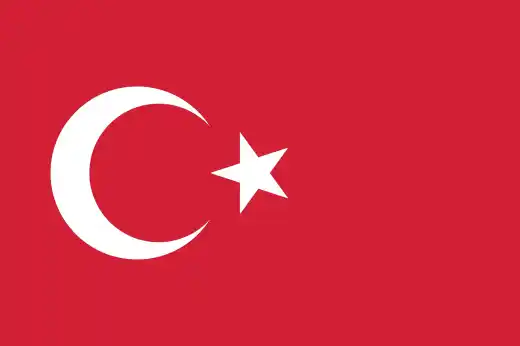
Curious about the colors, symbols and designs that represent Europe’s diverse nations? Below are the 49 national flags of Europe.
When you are finished, be sure to take our European flag quiz to see how many you can identify correctly.
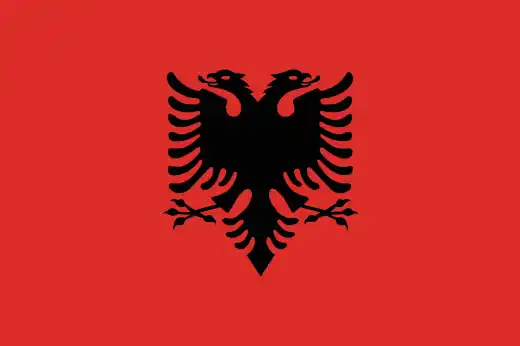
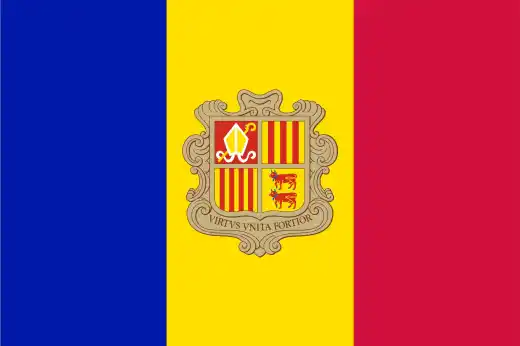
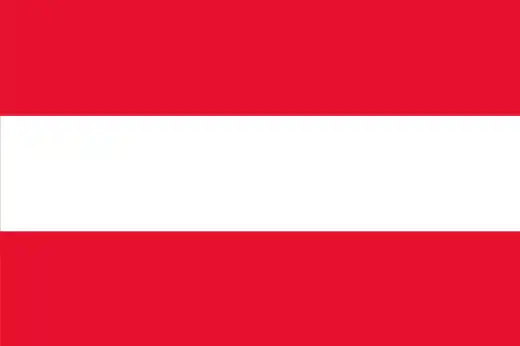

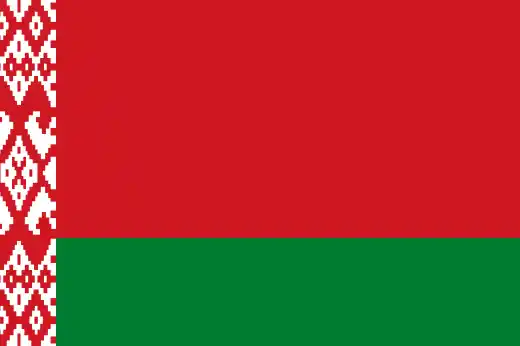
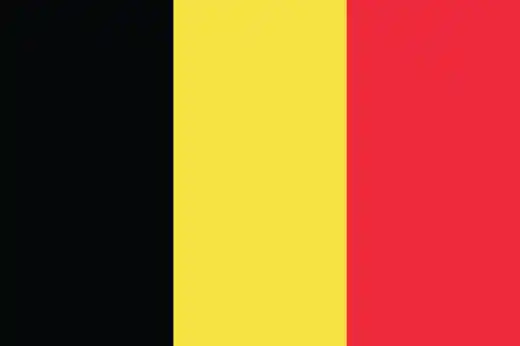
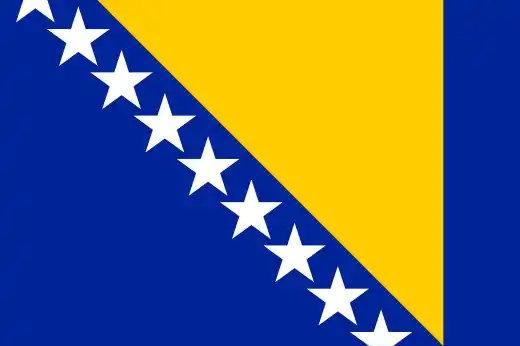
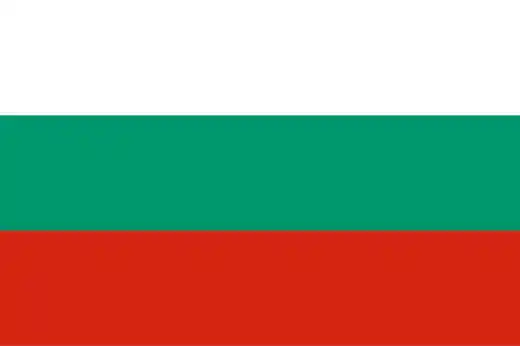


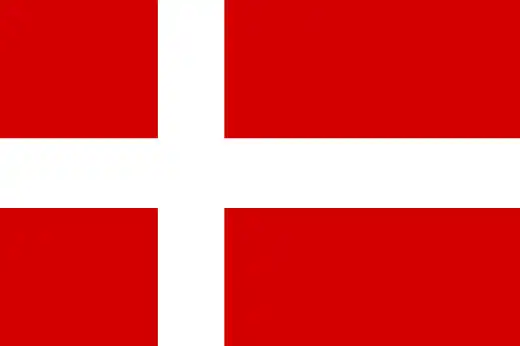
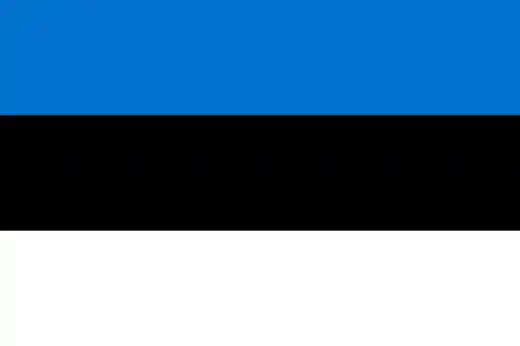
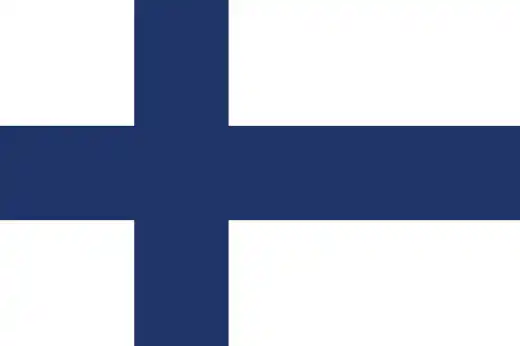
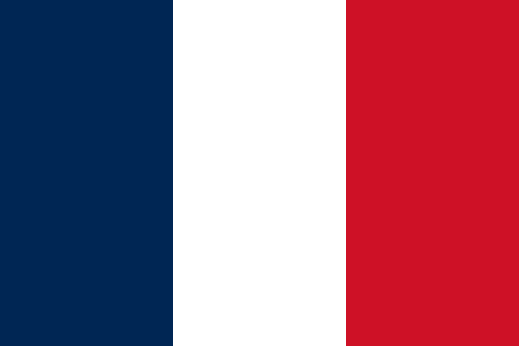


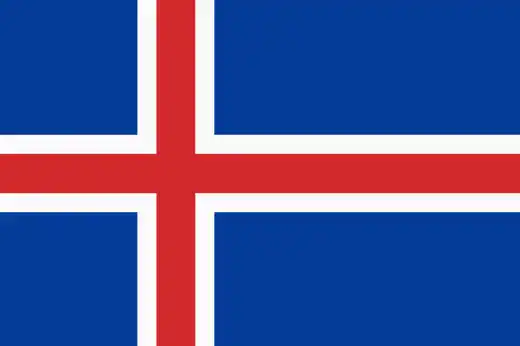






See next: Country flags of the world.
Countries in more than one continent
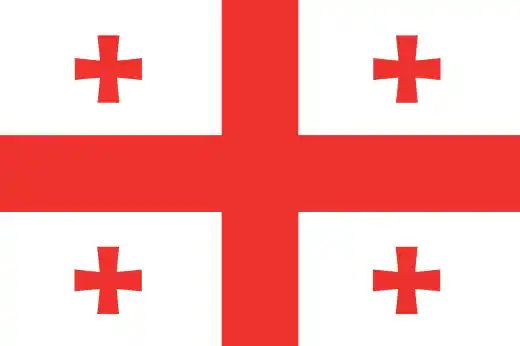
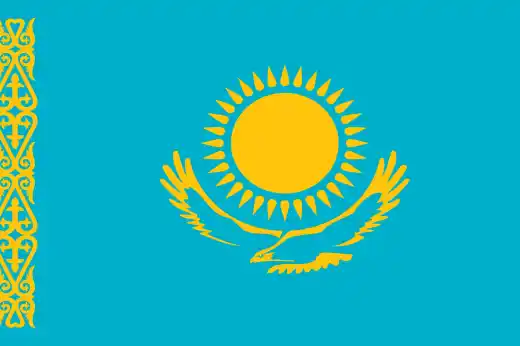
Several countries listed above are geographically located in both Europe and Asia. These include Azerbaijan, Georgia, Kazakhstan, Russia and Türkiye (Turkey).

Outliers
Armenia and Cyprus are geographically located in Asia, but are often associated with Europe because of their historical, political and cultural ties.
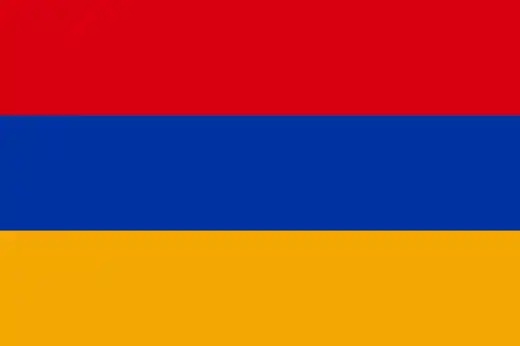
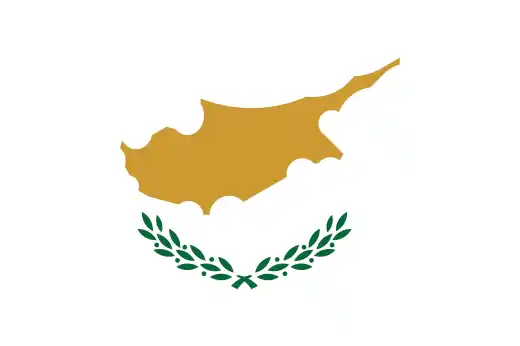
The EU flag
The European Union (EU) promotes political and economic cooperation across much of Europe. The EU flag, featuring a circle of 12 golden stars on a blue background, represents European unity and identity. The EU currently has 27 member states.

Tips for learning the European flags
Learning 49 European flags may sound daunting, but spotting color themes, patterns and symbols can make it much easier. Here are some strategies to help:
Group flags by color themes
Many European flags share common color combinations, especially red, white and blue tricolors. France, the Netherlands and Russia all use these colors in different layouts and proportions.
Memorize symbols and unique patterns
Some European flags are instantly recognizable because of their symbols or layouts.
- Albania: Features a black double-headed eagle on a red background.
- North Macedonia: Displays a bright yellow sun with extending rays.
- Switzerland: One of the few square national flags in the world.
Use mnemonics and cultural associations
Associating flags with memorable imagery can help improve recall.
- Italy (Green-White-Red): Their popular tomatoes are often picked when green and are red when fully ripe.
- Ireland (Green-White-Orange): Green represents the Irish nationalist tradition, orange for the Protestant minority and white for peace between the two.
Learn by grouping regions
Breaking Europe into regions can make memorization easier.
- The Baltics (Estonia, Latvia, Lithuania): Each has unique color themes with simple horizontal stripes, and they’re usually easy to learn together.
- The Balkans (including Serbia, Croatia, Slovenia): Many have similar color schemes with added elements like crests or coats of arms.
- The Nordic countries (Denmark, Norway, Sweden, Finland, Iceland) share the Scandinavian cross.
- The microstates (San Marino, Liechtenstein, Monaco, Vatican City): Small but distinctive, their flags stand out once studied together.
Practice with a blank Europe map
Using a blank European map can help connect flags with their countries while improving geography skills at the same time.
Use a printable flag chart
Printable European flags can help you learn the flags alongside their country names. Print it out as a quick reference while using a blank map, revising for a geography lesson or practicing with a quiz.
Utilize quizzes
An online quiz is one of the fastest ways to learn European flags through repetition and active recall.
Take our European flag quiz and see how many you can identify correctly.
Test your knowledge of world flags
Once you’ve learned the European flags, continue exploring the Asian flags, African flags or North American flags to expand your world geography knowledge.

Caitriona Maria is an education writer and owner of The Facts Institute. With seven years of teaching experience and a background in educational content, she specialises in creating clear reference resources about countries, geography and global topics.