Across Africa’s nations, flags are used to share stories of struggle, freedom and culture. Many feature the familiar pan-African colors of red, green, and yellow, while others stand out with bold emblems such as Kenya’s shield or Mozambique’s rifle.

African Flags by Country
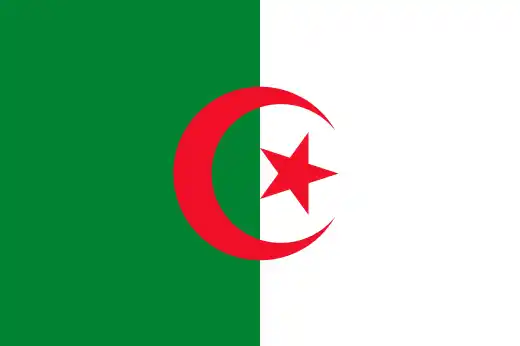
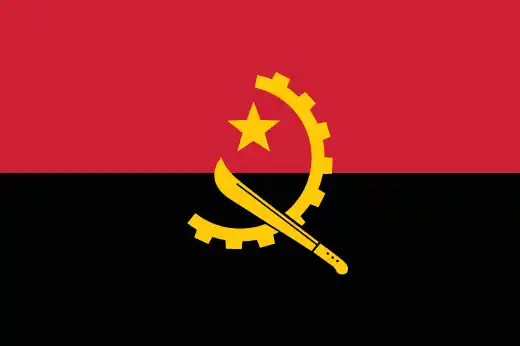
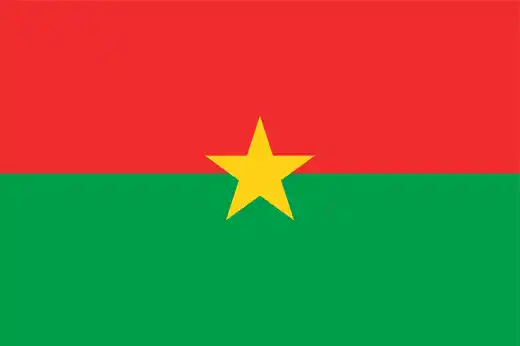
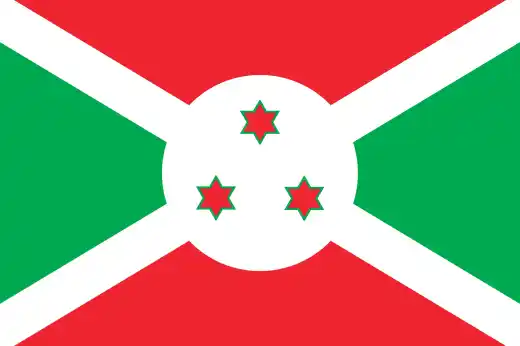
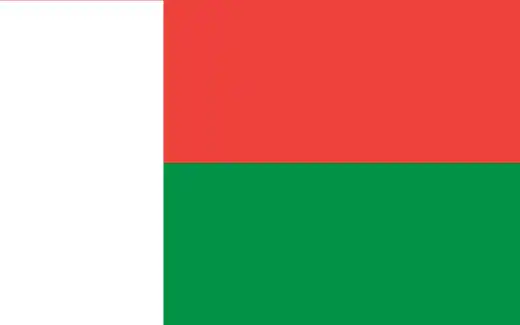
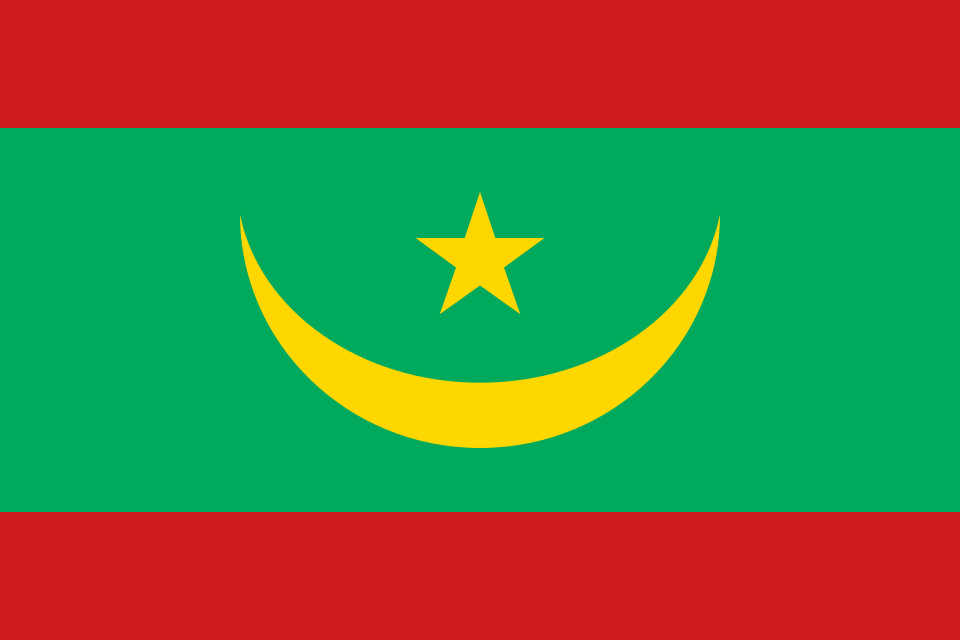
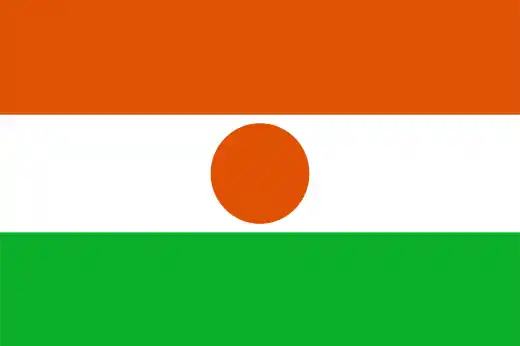
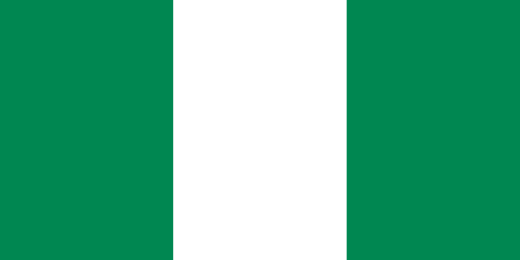
Curious about the colors, symbols and designs that represent Africa’s diverse nations? Below are the 54 national flags of Africa.
When you are finished, be sure to take our Africa flag quiz to see how many you get correct!


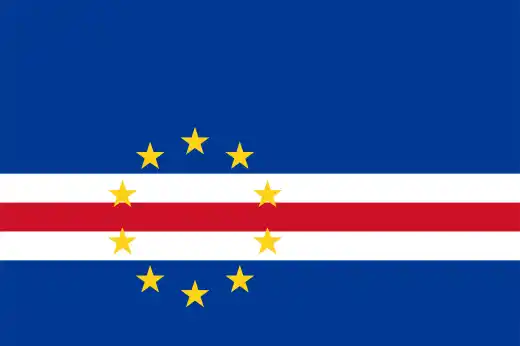


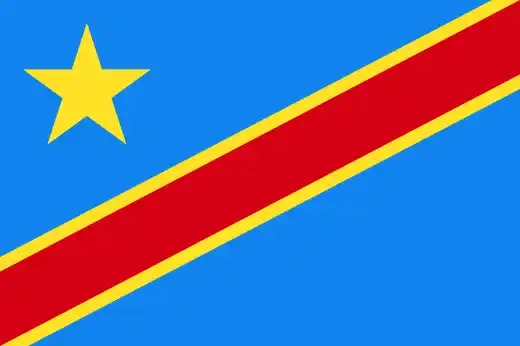
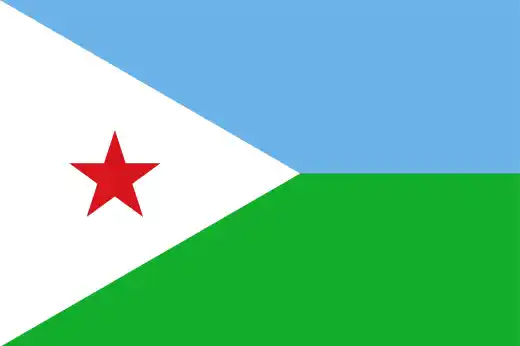
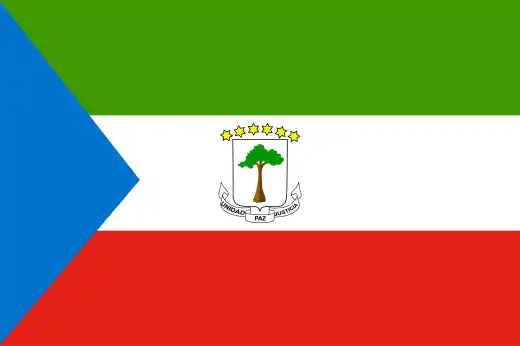


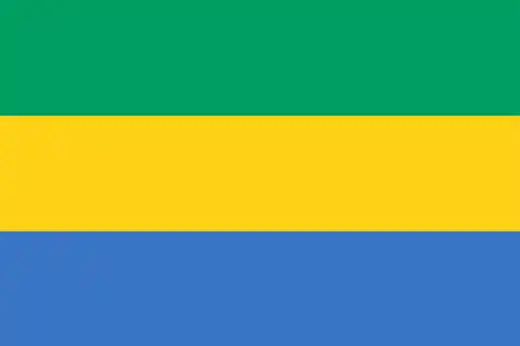
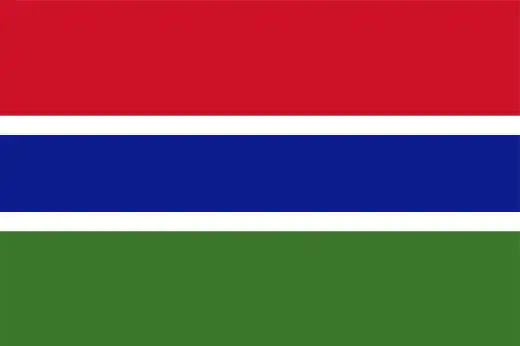

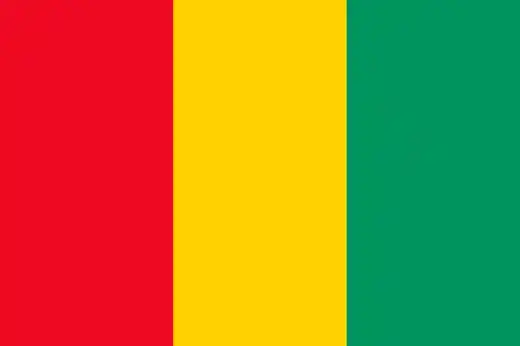
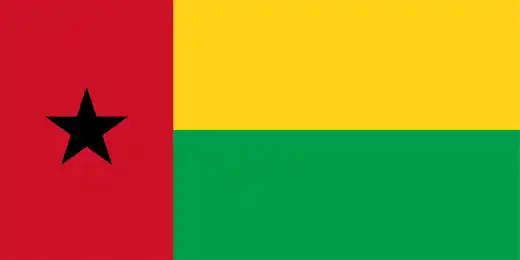







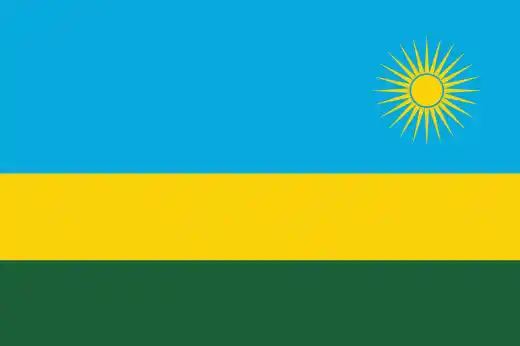
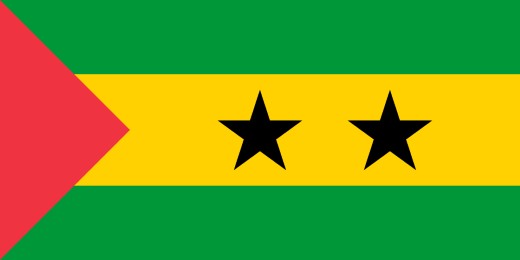


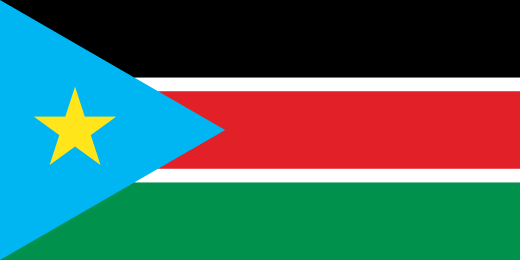

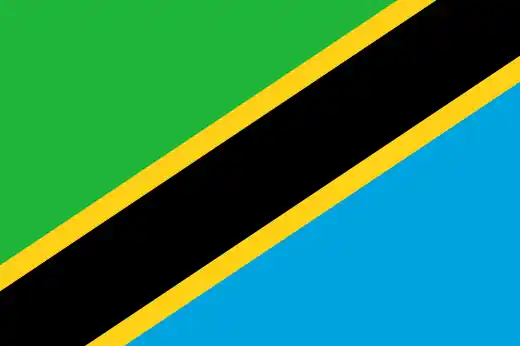


See also: Country flag names worldwide.
Countries in more than one continent
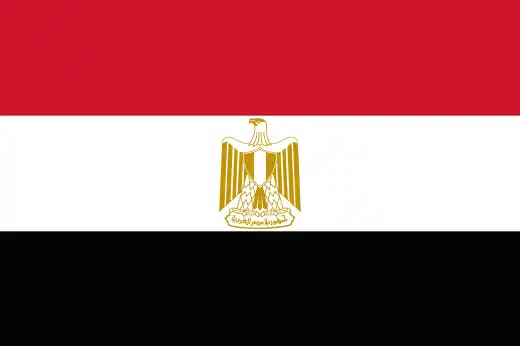
Egypt lies in both Africa and Asia, although the vast majority of its territory and population are located in Africa.
Outliers
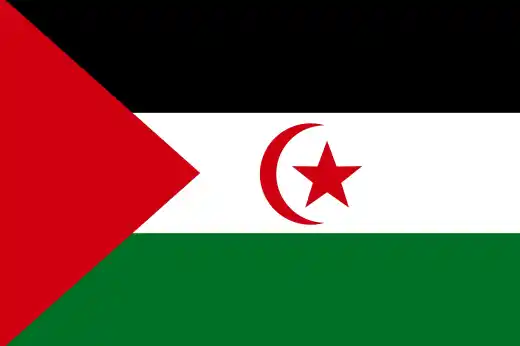
Depending on the source, some may claim there are 55 African countries, as the Sahrawi Republic or Sahrawi Arab Democratic Republic (SADR) seeks international recognition as an independent nation.
The AU flag
The African Union (AU) aims to promote unity, growth and prosperity across Africa by fostering cooperation among African nations.
The AU includes all African countries and the Sahrawi Republic, bringing the total to 55 member states.

Tips for learning the African flags
Learning the flags of Africa can feel like a big task with 54 nations, but many of them follow clear patterns that make memorization easier once you know what to look for.
Group flags by color themes
Many African flags share common colors that symbolize Pan-African unity and heritage:
- Red, Green, Yellow and Black: These colors are widely used across African countries. Nations like Ghana, Ethiopia and Senegal prominently feature these colors. Group these flags by their unique layouts or specific color patterns.
- Single-Color Backgrounds with Symbols: Some flags, like Morocco or Somalia, are defined by a single color and a central symbol or minimal design.
Memorize symbols and unique patterns
Some African flags feature symbols or patterns that make them easy to distinguish:
- Angola: Features a half-gear and a machete, reminiscent of the Soviet hammer and sickle, symbolizing industry and agriculture.
- Kenya: Look for the shield and crossed spears on a red, black and green flag.
- Mozambique: Notably includes an image of an AK-47 rifle with a bayonet, representing defense and vigilance.
Use mnemonics
Associating flags with memorable characteristics or common imagery can make them easier to recall:
- Nigeria (Green-White-Green): Picture Nigeria’s lush rainforests and open plains.
- South Africa: Think of the “rainbow nation” – the ‘Y’ flag includes six colors that represent the nation’s diversity.
Learn by grouping regions
Focusing on regional groups can break down memorization:
- The Horn of Africa (including Ethiopia, Somalia, Eritrea and Djibouti) is a peninsula and geopolitical region in Eastern Africa.
- West Africa (includes Ghana, Senegal, Mali): Many flags feature the pan-African colors of red, yellow, green and black.
Practice with a blank Africa map
A blank map is one of the best tools for active recall. Try filling in each country and matching it with the correct flag.
This connects the design to its location and makes memorization much more interactive.
Visualize flags with landmarks or cultural hints
Imagine iconic landmarks or cultural symbols associated with each country’s flag to make a mental link:
- Egypt: Picture the Great Pyramids or the Nile River along with the red, white and black stripes featuring a golden eagle in the center.
- Ghana: Picture a cocoa bean (one of Ghana’s main exports) in the center of the flag.
- Morocco: Picture a red desert sunset with a green star.
Utilize online quizzes and other tools
Practicing with online quizzes and flag charts can reinforce your memory by providing repeated exposure to African flags, especially when focusing on distinguishing elements like symbols, stripes, or unique color placements.
Try our Africa Flag Quiz and see how many you can identify.
Test your knowledge of world flags
Once you’ve mastered the African flags, try testing yourself with European flags or Asian flags next.
You can also head over to the North American flags and South American flags to complete your knowledge of the Western Hemisphere.

Caitriona Maria is an education writer and owner of The Facts Institute. With seven years of teaching experience and a background in educational content, she specialises in creating clear reference resources about countries, geography and global topics.